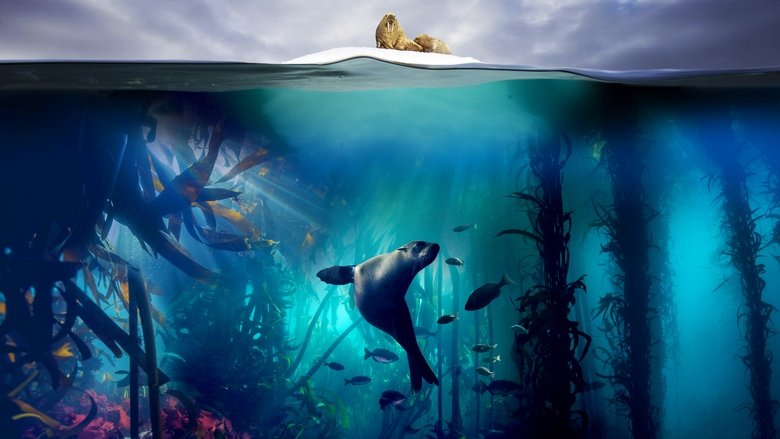
"Take a deep breath."
Blue Planet II - Episode Highlights
Episode Highlights
One Ocean
This episode serves as a stunning introduction, showcasing a wide array of incredible behaviors. Highlights include bottlenose dolphins surfing 'for the sheer joy of it', a tusk fish using tools to open clams, and the jaw-dropping sequence of giant trevally fish leaping out of the water to catch fledgling terns in mid-air. It also introduces the problem of melting sea ice affecting walruses.
'One Ocean' sets the tone for the entire series by immediately establishing its groundbreaking cinematography and its focus on new scientific discoveries and animal intelligence. The final, unsettling scene with the walruses and their pups struggling to find resting places on shrinking icebergs introduces the underlying environmental theme that will become central to the series' message.
The Deep
A journey into the least explored part of our planet. Using deep-sea submersibles, the crew films bizarre creatures like the fangtooth, the mesmerizing bioluminescence of the abyss, and a startling feeding frenzy of sixgill sharks on a sperm whale carcass. A key discovery shown is a 'lake' of super-salty, toxic brine on the ocean floor, which puts any creature that enters it into toxic shock.
This episode highlights the spirit of exploration and the vastness of what we still don't know about our own planet. It underscores the incredible adaptations life has made to survive in extreme environments and reinforces the idea that the ocean is Earth's final frontier. The discovery of pollution even at these depths is a sobering revelation.
Coral Reefs
This episode explores the vibrant 'cities' of the sea. It features remarkable examples of animal intelligence and cooperation, such as a grouper using 'sign language' to team up with an octopus to hunt. It also showcases the fearsome Bobbit worm ambushing its prey and clownfish meticulously preparing an anemone for their eggs. The episode ends with a stark look at the devastation of coral bleaching.
By presenting the coral reef as a complex, thriving metropolis full of intricate relationships, this episode builds a deep appreciation for its value. This makes the subsequent reveal of coral bleaching all the more impactful, serving as a powerful and visually undeniable illustration of the consequences of climate change.
Green Seas
Focusing on the planet's underwater forests of kelp and seagrass, this episode is filled with drama. An octopus cleverly defends itself from a pyjama shark by creating an armor of shells. A huge army of spider crabs marches on the seabed, and weedy sea dragons perform a delicate mating dance. The episode showcases the seasonal nature of these habitats and the intense competition for resources.
This episode is significant for revealing ingenious and never-before-filmed survival strategies. The octopus and shark sequence, in particular, became an iconic moment that demonstrated the series' ability to capture complex, narrative-driven animal behavior that is both scientifically important and emotionally engaging.
Our Blue Planet
The final episode shifts focus from wonder to warning. It directly confronts the major threats facing the oceans: plastic pollution, climate change, noise pollution, and overfishing. It features the series' most emotionally devastating scenes, including a mother pilot whale mourning her dead calf and albatrosses feeding plastic to their young.
This episode is arguably the most culturally significant. It cemented the series' legacy not just as a nature documentary, but as a catalyst for global change. It is credited with creating the 'Blue Planet effect,' a massive surge in public awareness and political action against plastic pollution, making it one of the most impactful hours of television in recent history.