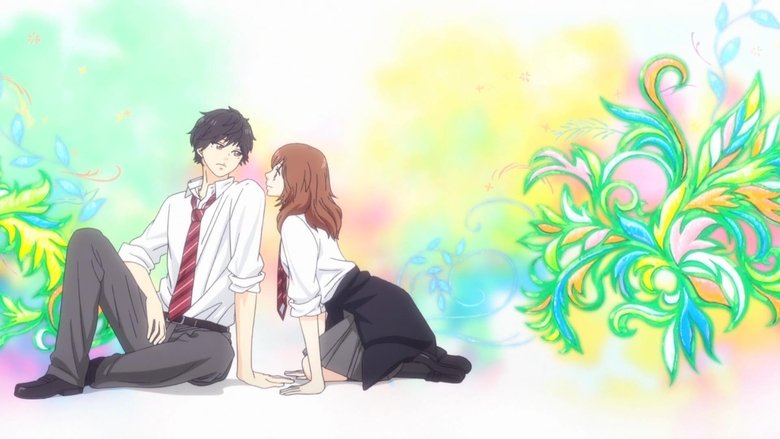

The central plot twist of "Blue Spring Ride" is the reason behind Kou's drastic personality change. While he initially appears cold and simply different, it is revealed in Episode 11 that his mother, who was his sole guardian after his parents' divorce, became terminally ill shortly after they moved. Kou spent his middle school years caring for her, and he is haunted by immense guilt, believing he failed her in her final moments. He carries the weight of a promise he made to his brother, Yoichi Tanaka, to take care of her, and feels he let everyone down. This revelation recasts his entire character from a cynical love interest to a traumatized young man using aloofness as a shield against further pain.
Another key plot point is the love triangle that forms between Futaba, Kou, and their friend Yuri Makita. Both girls develop genuine feelings for Kou. However, in a subversion of the typical dramatic shoujo rivalry, Futaba and Yuri openly discuss their feelings and make a pact to not let it ruin their newfound, precious friendship. The anime concludes without resolving the romantic storyline. At the end of Episode 12, Futaba has fully accepted that she loves the current Kou, and Kou has just begun to open his heart to his friends and brother, finally allowing himself to process his grief. The story is left open-ended, with the implication that their romantic journey is only just beginning, a setup for the events that unfold in the manga, which the anime does not cover.