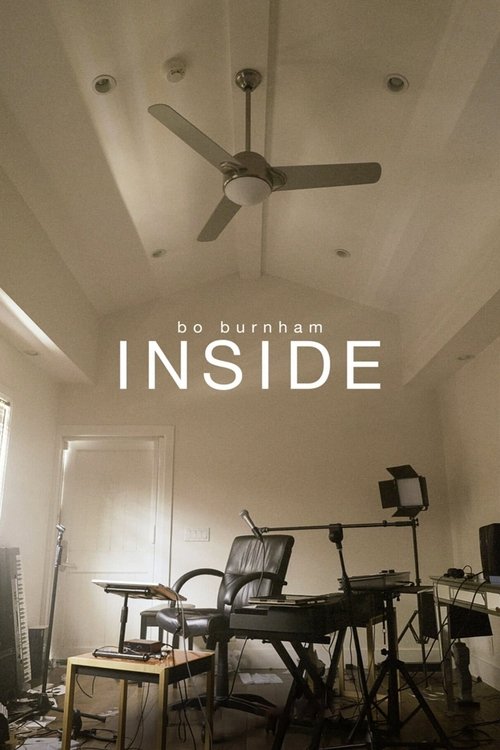
"Bo Burnham: Inside" documents a year-long descent into mental and creative crisis. The special's key turn occurs as Burnham's initial attempts at structured comedy give way to increasingly erratic and vulnerable segments. The midpoint sees him turn 30, a moment that crystallizes his anxieties about aging and purpose. He performs the song "30," contrasting his own life with his parents' at the same age, and ends with a shocking, deadpan admission that he plans to kill himself when he turns 40, a line immediately followed by a jarring cut to a segment where he lectures the audience not to commit suicide. This tonal whiplash is central to the film's structure.
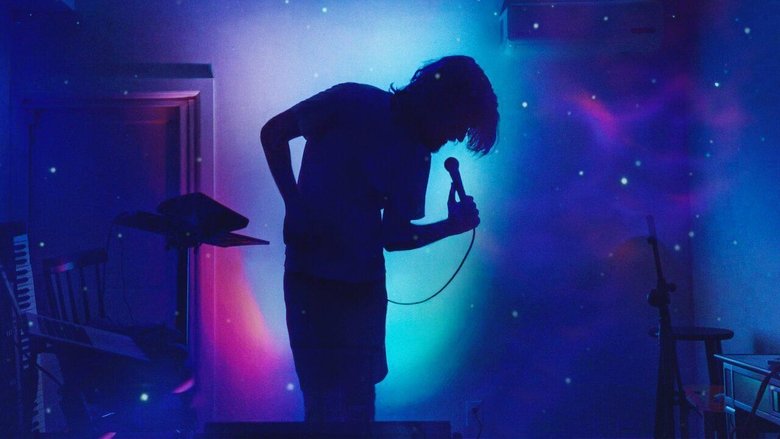
The emotional climax arrives with the song "All Eyes On Me." In a monologue, Burnham reveals the true reason for his five-year absence from live comedy: he began suffering severe panic attacks on stage. He confesses he was feeling better and ready to return in January 2020, just before the pandemic hit. The song itself is a powerful, haunting plea for attention, styled as a dark, hypnotic worship service where he is the messianic figure demanding focus. It represents the peak of his conflicting desires: the need for audience validation and the terror it induces.
The ending provides the ultimate twist on the film's themes of performance and reality. After a final song, "Goodbye," where he vows to never go outside again, Burnham is shown clean-shaven and seemingly recovered. He then walks to the door and steps outside. However, he is immediately caught in a theatrical spotlight, and the sound of a canned audience erupts in laughter as he, in a panic, realizes he's locked out. The camera then cuts back inside the room, where we see the long-haired, bearded Burnham watching the footage of himself trapped outside. He slowly begins to smile. This reveals that his 'escape' was just another scene in the special. He hasn't escaped at all; he is trapped inside his own creation, the performer and the ultimate audience of his own staged suffering. The hidden meaning is that there is no 'outside' for him—the performance is his reality.