"Look Who’s Inside Again"
Bo Burnham: Inside - Symbolism & Philosophy
Symbols & Motifs
The Single Room
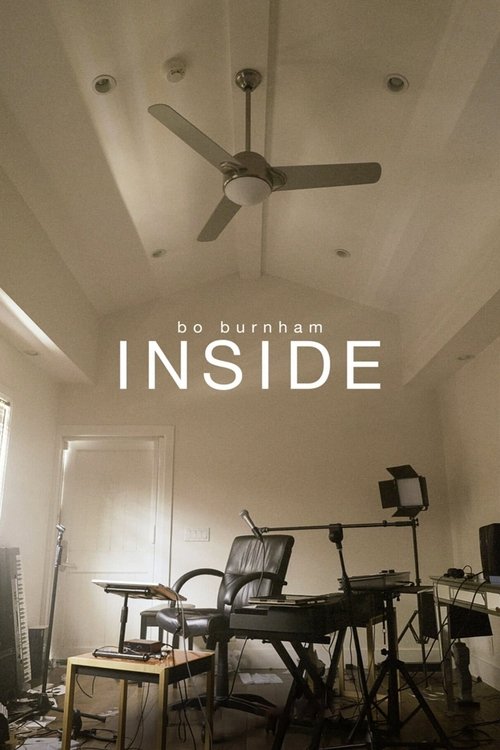
The room symbolizes multiple layers of confinement. It is the literal space of pandemic quarantine, but more profoundly, it represents Burnham's own mind, his creative isolation, and the claustrophobic nature of the internet, which offers a window to the world while simultaneously trapping you within its digital walls.
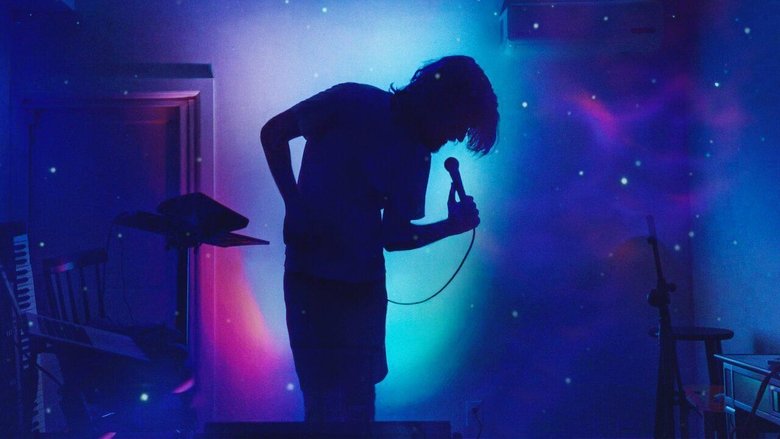
The entire special is filmed within this one room, which Burnham transforms into a versatile stage, studio, and prison. Its clutter and the visibility of production equipment constantly remind the viewer of the constructed nature of the performance, reinforcing the theme of being trapped within the creative process itself.
The Projector
The projector symbolizes introspection, self-scrutiny, and the inescapable nature of one's own performance. It represents the act of watching oneself, being both the creator and the audience, a central conflict in the film. It also acts as a tool to bring the outside world (or a simulation of it) into the confined space, highlighting the blurred lines between reality and digital artifice.
Burnham frequently uses the projector to display images on the wall, on himself, or as a primary light source. Crucially, in the final scene, he sits in the room watching projected footage of himself locked outside, smiling, signifying his acceptance or entrapment within his own artistic creation.
Mirrors and Reflections
Mirrors symbolize self-awareness, meta-commentary, and the fractured self. They force both Burnham and the viewer to confront the act of watching and being watched. The reflections often create layered images, representing the different personas Burnham embodies: the performer, the director, and the man underneath it all.
Throughout the special, Burnham frames shots using mirrors, talks to his reflection, or is surrounded by reflective surfaces. This technique constantly breaks the fourth wall, reminding the audience that they are watching a constructed piece of art about the construction of art.
The Camera
The camera is both a tool and a character in the film. It symbolizes the audience, the ever-present eye of the internet, and the medium through which Burnham must filter his reality. It is his only companion, a silent confessor, and the source of his performative pressure. His relationship with it—sometimes confrontational, sometimes intimate—mirrors his relationship with his career and his audience.
Burnham is frequently shown setting up, adjusting, and directly addressing the camera. In one scene, he dances intimately with it before dropping it, and in another, he zooms in on the camera's lens as if it's looking at itself, reinforcing the special's intense self-scrutiny.
Philosophical Questions
In an era of constant self-documentation, can an authentic self truly exist?
The film relentlessly explores this question by being a piece of art about its own creation. Burnham constantly shows the viewer the artifice—the lights, the cameras, the multiple takes. He questions whether his vulnerability is genuine or just another part of the act. This forces the audience to consider the nature of performativity in their own lives, especially on social media, where identities are curated and monetized. The special suggests that the line between living and performing has become irrevocably blurred.
Is it morally justifiable to create art, especially comedy, during times of immense social and political crisis?
This question is explicitly asked in the song "Comedy." Burnham sings, "Should I be joking at a time like this?" while simultaneously acknowledging his privilege as a white comedian. He grapples with the potential narcissism and futility of his work in the face of systemic oppression and global catastrophe. The special doesn't offer a clear answer but embodies the struggle itself, suggesting that art's role might be to honestly reflect the anxiety and moral confusion of the times, rather than offering solutions or escapism.
Has the internet fundamentally altered human consciousness and our perception of reality?
"Inside" portrays the internet as a separate reality that has superseded the physical world. Burnham states that the non-digital world is now just a "theatrical space in which one stages and records content for the much more real, much more vital digital space." Through songs like "Welcome to the Internet," he illustrates how constant exposure to "everything, all of the time" leads to desensitization, anxiety, and a fractured sense of self, posing the question of whether our minds are being permanently rewired.
Core Meaning
The core meaning of "Bo Burnham: Inside" is a multifaceted exploration of the fraught relationship between performance, mental health, and the internet in the modern age. The film questions the very nature of creating and consuming content in a hyper-online world, especially during a period of intense global isolation. Director Bo Burnham aims to deconstruct the performance of self that is constantly required, whether on a comedy stage or on social media, revealing the immense psychological toll it takes.
The film carries a powerful message about the loneliness and anxiety that pervade a generation raised online, where even cries for help can become part of the performance. By trapping himself physically "inside," Burnham forces a confrontation with what is happening inside his own mind, suggesting that the digital world we've built to connect us may actually be deepening our isolation and warping our sense of reality. Ultimately, it's a commentary on the struggle to find authenticity and meaning when every aspect of life feels like it's being staged for an unseen audience.