
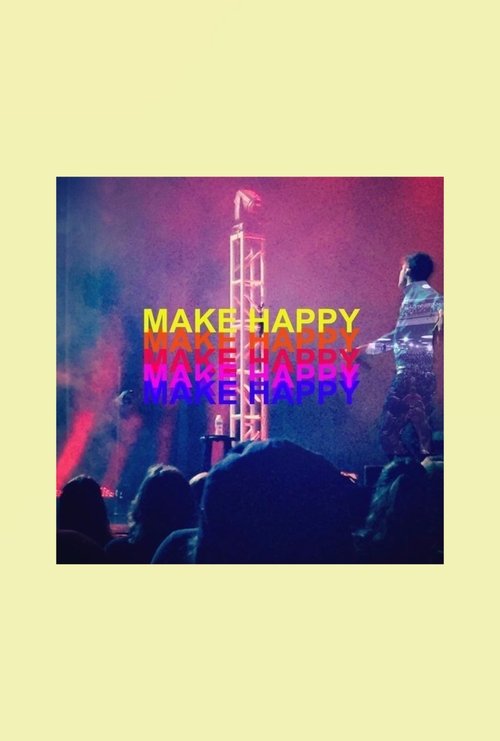
The entire structure of Make Happy builds towards its final, spoiler-heavy fifteen minutes, where the comedic performance is completely deconstructed. The show does not end with a final joke, but with a raw, emotional confession. The second-to-last number, 'Can't Handle This,' begins as a parody of a Kanye West auto-tuned rant about petty annoyances like the size of Pringles cans and overstuffed Chipotle burritos. This comedic facade slowly crumbles as the lyrics shift to Burnham's real-life anxieties, his panic attacks on stage, and his deeply conflicted relationship with his audience. He sings directly about his struggle to balance pleasing them with his own mental health, culminating in the line, 'I should probably just shut up and do my job... so here I go,' before reverting briefly to the burrito joke, now re-contextualized as a tragic retreat into his persona.
After a standing ovation, the special doesn't end. The camera follows a silent Burnham off the main stage and into a small, plain guest house room on the property. Here, he sits at a keyboard and performs one last song, 'Are You Happy?,' directly to the camera. This coda is for the home viewer, not the live audience. He sings about his own fraught journey, asking himself if achieving his dreams has made him happy. The song ends abruptly, and he gets up, opens the door, and walks outside into the night, where he is greeted by his girlfriend, Lorene Scafaria, and his dog. This final shot reveals the hidden meaning: the only escape from the prison of performance and the only chance at true happiness is to leave the stage entirely and re-enter real life. The entire special is a meticulously constructed argument for its own conclusion: a farewell to the spotlight.