
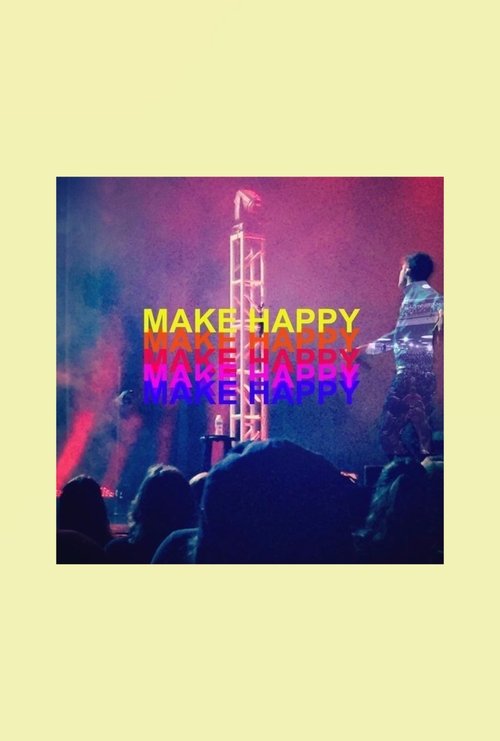
"Are you happy?"
Bo Burnham: Make Happy - Symbolism & Philosophy
Symbols & Motifs
Stage Lighting and Sound Cues
The elaborate lighting and pre-recorded audio symbolize the artificiality and tight control of the performance. They represent the machinery behind the persona, the elements that create the illusion the audience consumes. When Burnham is bathed in blue light during moments of sincerity, it symbolizes truth, while being silhouetted by a yellow spotlight represents his retreat back into the hollow role of an entertainer.
Used throughout the show, the cues are often part of the joke, with Burnham arguing with his own pre-recorded voice or deliberately mistiming actions. This is most prominent in the finale, "Can't Handle This (Kanye Rant)," where the lighting shifts dramatically to reflect his internal conflict.
The Overstuffed Burrito / Pringles Can
These seemingly absurd objects from the final song symbolize overwhelming expectations and constraints. The burrito that is too full to be properly enjoyed is a metaphor for his career and the anxieties of fame—he wanted it, but didn't realize it would be too much to handle. The Pringles can his hand can't fit into represents a frustrating, unsolvable problem, mirroring his feelings of being trapped by his profession.
During the song "Can't Handle This," Burnham launches into a Kanye West-style comedic rant about these mundane frustrations, which then seamlessly transition into a sincere breakdown about his relationship with the audience and his own mental health.
The Small Guest House Room
The isolated room where he performs the final song, "Are You Happy?", symbolizes his inner self and the origin of his creativity—the lonely space where the performance is conceived, away from the grand stage. It contrasts the public spectacle with the private reality of the artist.
After the main show concludes, the special follows Burnham offstage into this small, simple room. Here, he performs the final, deeply personal song directly to the camera, representing a final, intimate confession to the viewing audience before he steps out to join his real life.
Philosophical Questions
What is the true nature of happiness and can it be manufactured by entertainment?
The film relentlessly interrogates its own title. Burnham critiques pop songs that offer simple, anthemic solutions to deep-seated sadness, like his satirical song 'Kill Yourself' which parodies the idea that a song can solve depression. The special posits that happiness is not a product that can be delivered to an audience or consumed externally. The final, haunting question, 'Are you happy?', leaves the audience to ponder whether the preceding hour of laughter was a fleeting distraction or a genuine step towards happiness, suggesting the answer is complex and deeply personal.
In an age of constant self-documentation, is an authentic, non-performative life possible?
Burnham argues that social media has turned life into a continuous performance for an ever-present audience. His plea, 'If you can live your life without an audience, you should do it,' serves as the film's philosophical core. The entire show, a masterclass in performance, acts as a warning against the very act of performing. The ending, where he physically leaves the performance space to join his partner, suggests that authenticity and happiness are only found 'outside'—away from the stage, the camera, and the audience's gaze.
What is the ethical responsibility of an artist to their audience, and vice versa?
The special explores the transactional and often unhealthy relationship between performer and fan. Burnham feels a responsibility to 'give you the night out you deserve' but struggles when that conflicts with his own well-being and artistic truth. He questions the audience's role, their demands, and their consumption of his art (and by extension, his pain). The work suggests a need for boundaries and a more conscious understanding of the human cost of entertainment, from both the creator and the consumer.
Core Meaning
The core meaning of Make Happy revolves around the profound and often painful conflict between the performer's need for audience validation and the desire for personal authenticity and happiness. Burnham explores the idea that in the age of social media, everyone has become a performer, constantly curating their lives for an audience, leading to a pervasive sense of anxiety and dissatisfaction. The special serves as a critique of the entertainment industry's commercialization of art and the manufactured relatability of celebrities. Ultimately, Burnham questions whether it's possible to genuinely "make" someone happy, including oneself, through performance, suggesting that true happiness might lie in living a life free from the constant need for an audience.