Skip to content
Bob's Burgers
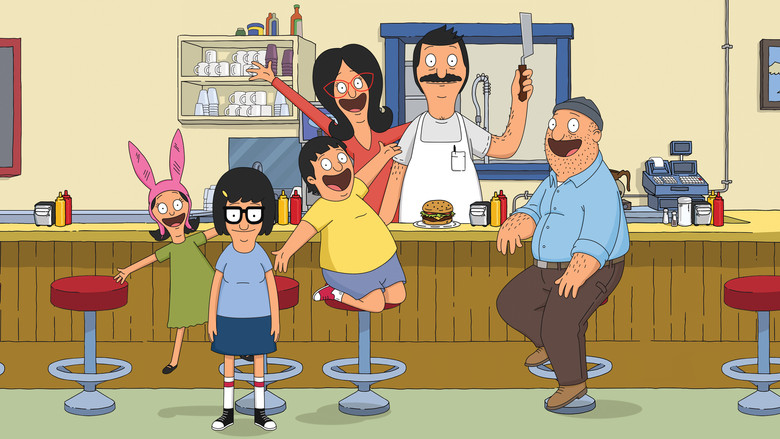
A sunlit seaside slice of working-class comedy brimming with defiant warmth and quirky tenderness, where a sputtering flat-top grill anchors an eccentric family weathering life’s financial storms inside an unbreakable embrace.
Bob's Burgers
Bob's Burgers
09 January 2011 — 17 May 2026 United States of America 16 season 313 episode Returning Series 7.8 (1,115)

Cast: H. Jon Benjamin, John Roberts, Kristen Schaal, Eugene Mirman, Dan Mintz

Animation Comedy Working-Class Precarity vs. Passion Radical Acceptance and Individuality Familial Solidarity and Mutual Respect The Nuance of Community and Belonging

Bob's Burgers — Ending Explained

⚠️ Spoiler Analysis

Although Bob's Burgers utilizes a floating timeline where the children remain the same age across 16 seasons, key serialized narrative and emotional milestones develop across the series:

  • Seasons 1–2 (Early Foundations): Establishes the restaurant's constant threat of closure, the enduring rivalry with Jimmy Pesto, and financial servitude to eccentric landlord Calvin Fischoeder.
  • Seasons 3–6 (Community Integration & Backstory): Unpacks generational trauma between Bob and his father Big Bob (Father of the Bob) and touches on the emotional defense mechanisms behind Louise's bunny ears (Ear-sy Rider).
  • Seasons 7–12 & The Bob's Burgers Movie (Cinematic Expansion): A massive sinkhole in front of the diner threatens bankruptcy and uncovers a murder mystery involving the Fischoeders. Louise's backstory is revealed: Linda made her bunny ears for her first day of preschool to provide courage against fear.
  • Seasons 13–16 (Mature Emotional Realism): Deep dives into vulnerable family milestones, including Louise confronting gender and maternal connection in Amelia and reciting an emotional family tribute in The Plight Before Christmas.

Alternative Interpretations

Critics and viewers have explored several prominent readings of the series:

  • The Anti-Capitalist Artistic Integrity Reading: The series functions as a parable about the purity of art under pressure from late-stage capitalism, contrasting Bob's uncompromising culinary vision against predatory landlords like Mr. Fischoeder and commercialized rivals like Jimmy Pesto.
  • The Neurodivergence and Queerness Allegory: The Belcher children (especially Tina and Gene) are widely read through lenses of positive neurodivergence and queer identity, with the family modeling non-stigmatizing, inclusive domestic acceptance.
  • The Modern Comfort Sitcom Lens: Viewed as the ultimate 'comfort media' of the 21st century—a low-stakes emotional sanctuary where real-world anxieties are safely processed and resolved through love and humor.

Explore More About This Movie

Dive deeper into specific aspects of the movie with our detailed analysis pages

Similar Movies