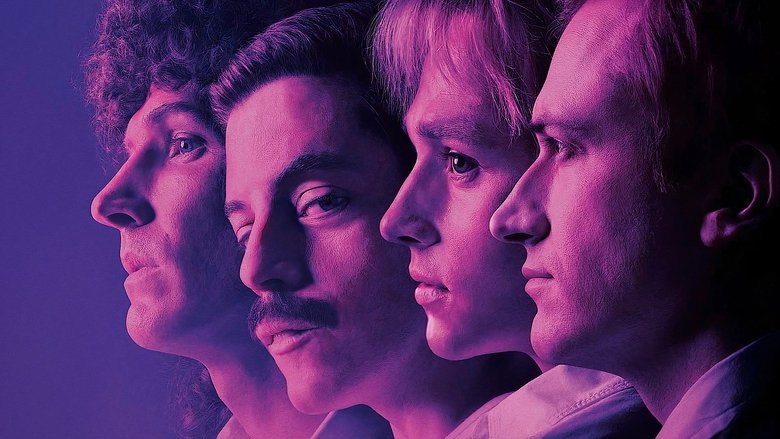
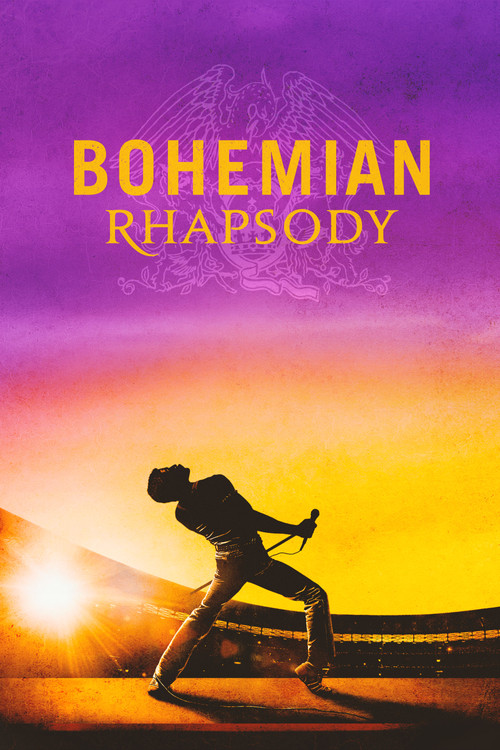
The narrative of "Bohemian Rhapsody" is structured around the highs and lows of Freddie Mercury's life, culminating in a triumphant reunion with Queen for their legendary Live Aid performance in 1985. A major plot point involves Freddie's estrangement from the band, heavily influenced by his personal manager and lover, Paul Prenter. Prenter isolates Freddie in Munich, encouraging a decadent lifestyle and convincing him to sign a solo record deal, leading to a bitter, albeit temporary, split from Queen. The film portrays Prenter as a villain who is ultimately fired by Freddie after he fails to inform him about the opportunity to play at Live Aid.
The most significant and controversial plot twist is the timing of Freddie's AIDS diagnosis. In the film, Freddie discovers he has AIDS before the Live Aid concert and reveals his illness to his bandmates during rehearsals, adding a layer of tragic urgency and poignancy to their performance. This is a major departure from reality, as Freddie Mercury was actually diagnosed with AIDS in 1987, two years after Live Aid. This alteration in the timeline serves to create a powerful, redemptive arc for Freddie, allowing him to reconcile with his band and family and deliver a final, defiant performance with the knowledge of his mortality. The film ends on this high note, with text on screen detailing his eventual death in 1991 and the establishment of the Mercury Phoenix Trust in his honor.