The entire narrative of "BoJack Horseman" is a slow-motion tragedy leading to a difficult, earned glimmer of hope. The major twist across the series is the reveal of the full extent of BoJack's culpability in several key events. Most significantly, in Season 3, it's confirmed that after Sarah Lynn, his former child co-star, breaks her sobriety with him, he waits 17 minutes to call for help after she overdoses, a delay that seals her fate. This secret haunts him and becomes the catalyst for his public downfall in the final season when it is exposed by journalists.
Another critical reveal is the story of Penny Carson. In Season 2, while visiting an old friend, Charlotte, BoJack makes a sexual advance on her teenage daughter, Penny, a moment that is narrowly interrupted. This event is a point of no return for his character, and its resurfacing in the final season contributes to his cancelation and cements his reputation as a predator. The reveal of his mother Beatrice's full backstory in "Time's Arrow" is also pivotal, showing that her cruelty was born from a lifetime of trauma, including her own mother's lobotomy and her brother's death, which complicates BoJack's victimhood by placing it within a cycle of inherited pain.
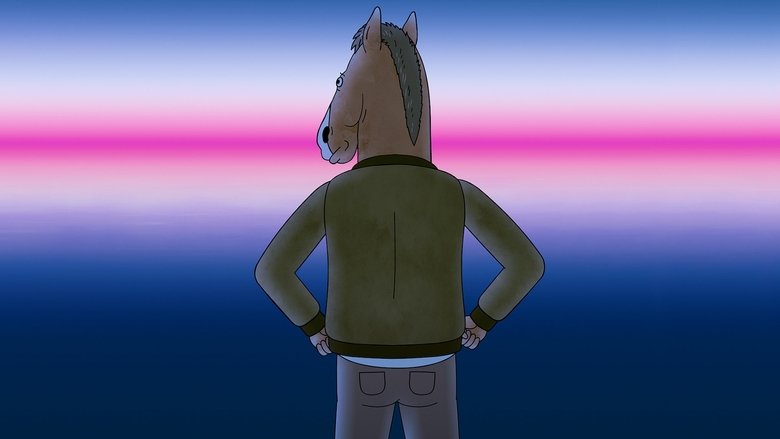
The finale's biggest turn is that BoJack doesn't die. After the penultimate episode, "The View from Halfway Down," strongly implies he has drowned, the final episode reveals he was saved but sentenced to prison for a past breaking-and-entering charge. This is the show's ultimate thematic statement: the consequence for BoJack isn't a tragic, dramatic death but the mundane, difficult reality of having to live with himself and the damage he's caused. His friends all move on to find their own versions of happiness, largely independent of him. Princess Carolyn gets married, Diane moves to Houston and finds stability, and Todd finds a healthy relationship. The final scene between BoJack and Diane on the roof is not a romantic reunion but a quiet, mutual agreement to let each other go, signifying that BoJack's most important and co-dependent relationship has come to a necessary end.