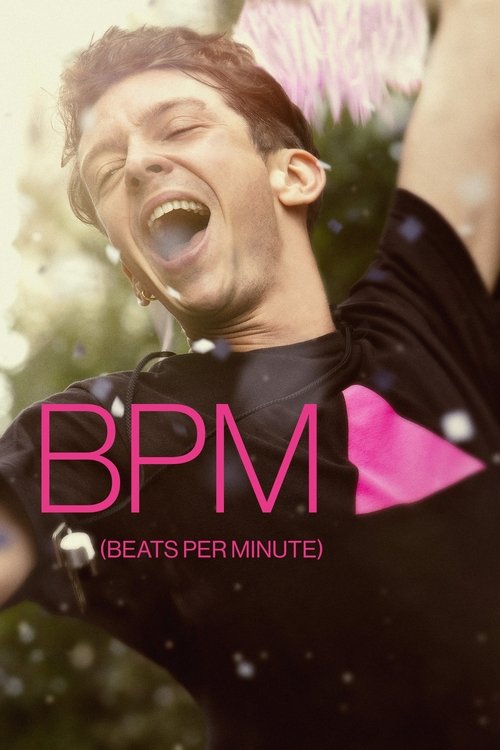
120 battements par minute
BPM (Beats per Minute) - Symbolism & Philosophy
Symbols & Motifs
Dust Particles / The Virus
The transition from the macroscopic to the microscopic. It represents the omnipresent, invisible threat of the virus and the fragility of life.
In club scenes, the camera focuses on dust motes floating in the strobe lights, which visually morph into microscopic images of the HIV virus attacking cells, linking the euphoria of the dance floor with the biological war inside their bodies.
Fake Blood
Visceral visualization of the disease and the guilt of those ignoring it. It represents the "blood on the hands" of politicians and pharma executives.
Used in protests to bombard pharmaceutical offices and government officials. It turns abstract statistics into a messy, unavoidable red reality.
The Seine as a River of Blood
A surreal manifestation of the epidemic's scale and the collective trauma of the community.
A visual metaphor where the river Seine in Paris appears to turn red, symbolizing the bloodshed and the pervasive nature of the tragedy engulfing the city.
120 BPM (The Beat)
The rhythm of house music, the racing heartbeat of fear and adrenaline, and the relentless ticking of time for the dying.
The pounding soundtrack underlies both the dance scenes and the protest marches, unifying the two aspects of the activists' lives.
Philosophical Questions
Does the end justify the means in activism?
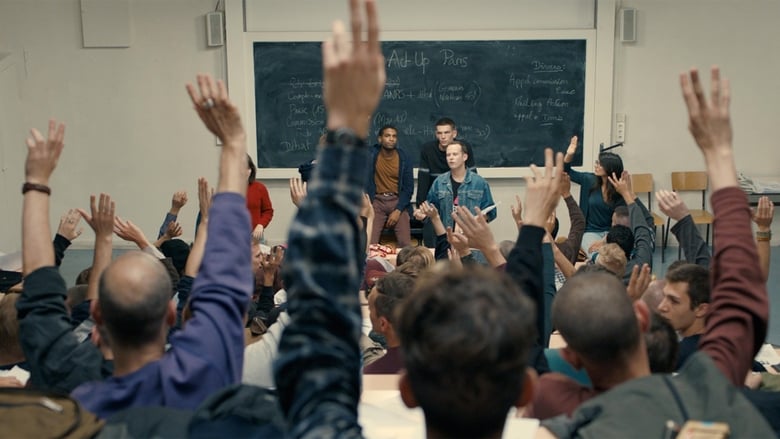
The film questions whether radical, disruptive, and sometimes violent protests (splattering blood, handcuffing officials) are morally justifiable when lives are at stake, contrasting them with 'polite' lobbying.
How do we grieve politically?
It explores the concept of the 'political funeral,' asking if the dead body belongs to the family for private mourning or to the community as a symbol of state negligence.
Core Meaning
The personal is political, and the political is physical. Director Robin Campillo illustrates that for the marginalized, activism is not a choice but a biological necessity. The film posits that in the face of death, the act of living—dancing, loving, and debating—becomes a form of resistance. It captures the urgency of now, equating the rhythm of house music with the heartbeat of a community fighting to stay alive.