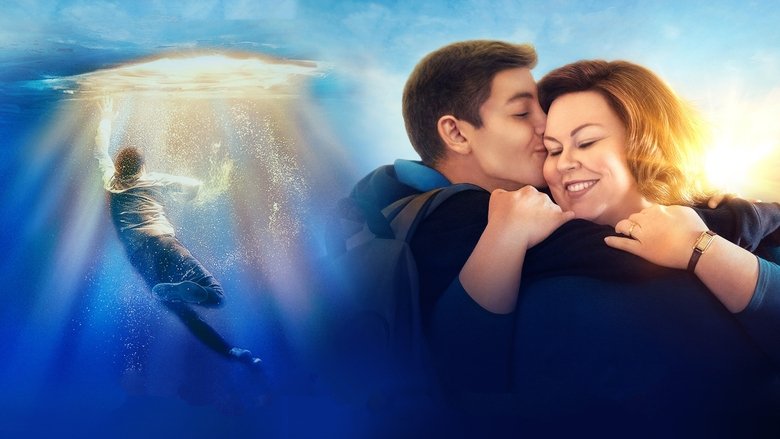
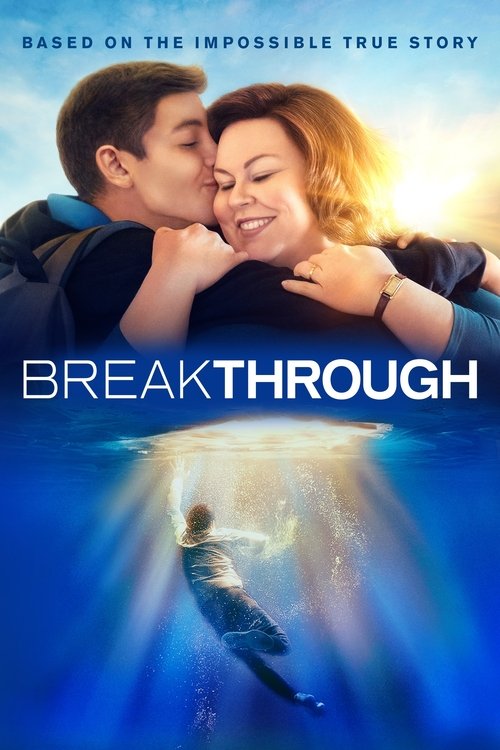
"Based On The Impossible True Story"
Breakthrough - Ending Explained
⚠️ Spoiler Analysis
The film's tension relies on the agonizing wait for John to show signs of neurological recovery. After the initial miracle of his heartbeat returning, the plot twists focus on his perilous medical state. Dr. Garrett, a leading specialist, warns that John will likely suffer from severe, permanent brain damage due to the 15 minutes of oxygen deprivation underwater and the subsequent 45 minutes without a pulse. The medical staff prepares the family for a worst-case scenario.
The major emotional climax occurs not with a medical procedure, but with a psychological breakthrough for Joyce. Exhausted and alienated from her husband Brian, she finally breaks down, admitting she cannot control the outcome and officially surrendering John's life to God's will. Following this spiritual release, the narrative delivers its final resolution: John not only wakes up from his medically induced coma, but he does so with his cognitive functions entirely intact. The film concludes with John returning to school completely healed, a living embodiment of the impossible, left to quietly navigate the weighty purpose of his second chance.
Alternative Interpretations
While the film explicitly frames John's recovery as a divine miracle spurred by the Holy Spirit, secular audiences and medical professionals offer an alternative, physiological interpretation. From a scientific perspective, John's survival is attributed to the extreme cold of the water, which rapidly lowered his core body temperature. This induced hypothermia essentially put his brain and organs into a protective state, drastically reducing their need for oxygen and preventing immediate irreversible brain damage.
Another layer of interpretation lies in the film's handling of 'survivor's guilt.' Some critics view the ending—where a teacher questions why her husband died while John was miraculously saved—as a subtle deconstruction of the 'miracle narrative'. Instead of a triumphant guarantee of divine intervention, this perspective suggests the film acknowledges the random, often cruel nature of mortality, presenting faith as a mechanism for enduring life's inexplicable outcomes rather than a magic cure.