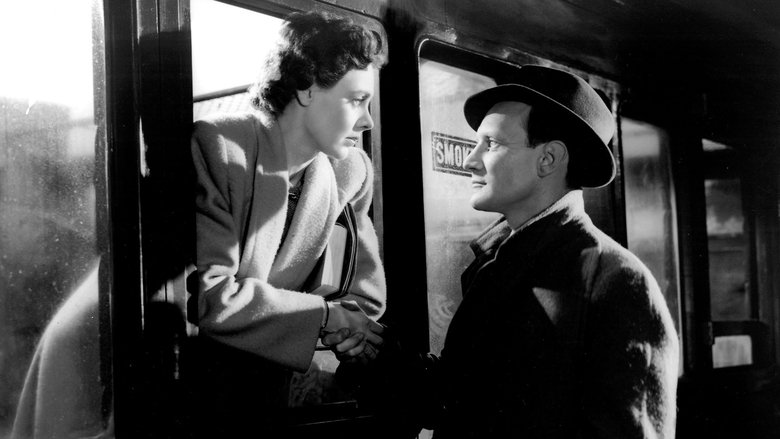
The film is structured as a flashback. It begins with the ending: Alec and Laura are having their final tea when Dolly Messiter interrupts. We then see the entire affair play out in Laura's memory.
The Twist/Climax: After Alec leaves for his train to Africa, Laura is overcome with grief. She rushes out to the platform as the express train approaches, intending to throw herself onto the tracks to end the pain. At the last second, she loses her nerve and steps back.
Resolution: She returns to the refreshment room, then home. The film ends with her husband, Fred, looking at her. He notices her distress and says, 'You've been a long way away. Thank you for coming back to me.' She cries on his shoulder. The ending implies that Fred knows, or suspects, the affair but offers her forgiveness and a safe harbor, cementing her return to domestic life.
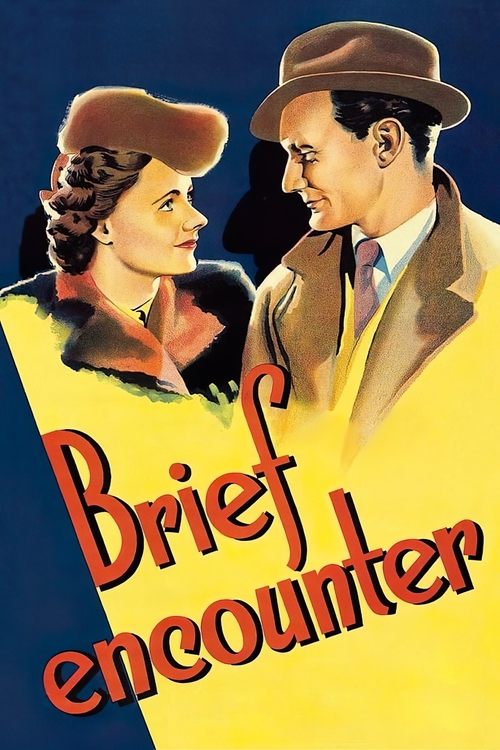
"A story of the most precious moments in a woman's life!"
Director: David Lean
Cast: Celia Johnson, Trevor Howard, Stanley Holloway, Joyce Carey, Cyril Raymond
Brief Encounter — Ending Explained
⚠️ Spoiler Analysis
Alternative Interpretations
The Queer Subtext: Many critics argue that the film, written by the closeted Noël Coward, serves as a metaphor for gay romance in the 1940s. The lovers' need for secrecy, the shame, the fear of police (the bench scene), and the impossibility of their union mirror the gay experience of the era.
The Fantasy/Dream Reading: Some interpretations suggest the entire affair is a hallucination or daydream of the bored Laura. The film begins and ends with her sleeping/waking in the chair, and the heightened, feverish nature of the narration could imply it is a projection of her desires onto a stranger.
Feminist Critique: The film can be viewed as a tool of patriarchal reinforcement, where a woman's desire is punished with guilt and she is ultimately 'corrected' back into the domestic sphere.
Explore More About This Movie
Dive deeper into specific aspects of the movie with our detailed analysis pages