کفرناحوم
"It takes courage to hope."
Capernaum - Symbolism & Philosophy
Symbols & Motifs
Identification Papers / Birth Certificate
This symbolizes legal existence, humanity, and basic rights. The lack of these documents renders individuals like Zain and Rahil invisible and powerless, stripping them of their identity and access to society. It is the physical manifestation of their marginalization.
Zain's quest for an ID is a recurring plot point, culminating in the final shot of the film where he is photographed for his papers. Rahil's inability to produce papers leads to her arrest, leaving her son Yonas abandoned.
The Makeshift Skateboard
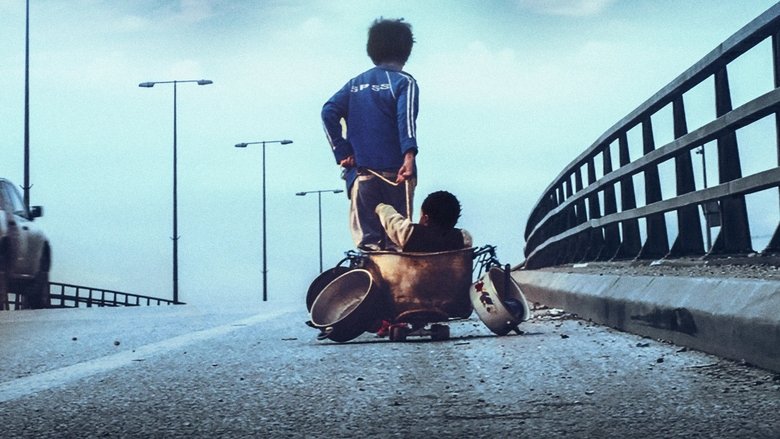
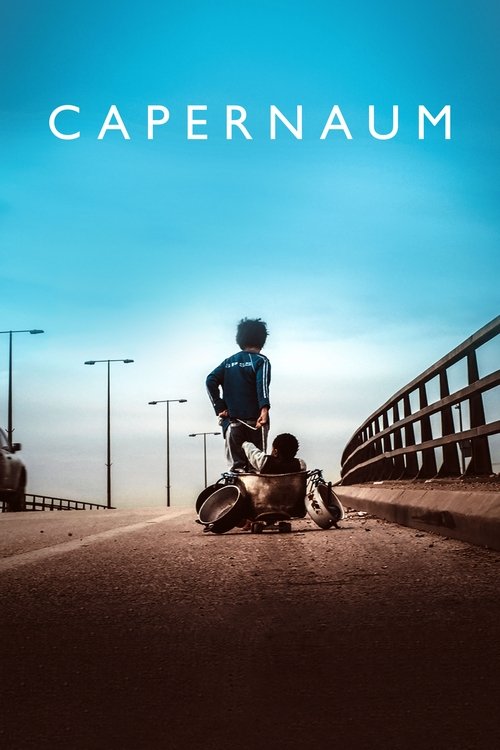
The skateboard, constructed from a pot lid and a plank, symbolizes Zain's resourcefulness and fleeting moments of childhood freedom. It represents his ability to create something functional and even joyful out of discarded scraps, mirroring his own struggle to build a life from nothing.
Zain uses the skateboard to transport gas canisters and, more poignantly, to wheel the baby Yonas around the city in a stolen pot. It's a tool of both labor and care, a testament to his ingenuity.
Cockroaches
Cockroaches symbolize the dehumanized status of the characters. They are seen as pests, unwanted, and resilient survivors in a filthy environment. Zain's parents call their children cockroaches, and Zain internalizes this, feeling he is less than human, an insect to be crushed. An elderly man in a knock-off Spider-Man costume calls himself "Cockroach Man," embracing this identity of a survivor on the fringes.
The term is used as an insult by Zain's parents. Zain meets the "Cockroach Man" when he first runs away from home, finding a strange kinship with someone who also identifies with being a societal pest.
Philosophical Questions
Is it immoral to have children if you cannot provide for them?
This is the central question posed by Zain's lawsuit. The film explores this from multiple angles. Through Zain's suffering, it presents a powerful argument that bringing a child into a life of guaranteed neglect, abuse, and poverty is a moral crime. However, it also humanizes the parents, showing them not as monsters, but as people trapped in a cycle of poverty and ignorance, themselves victims of a failing system. It forces the audience to consider whether procreation is a fundamental right regardless of circumstance, or a responsibility that requires a minimum capacity for care.
What defines a person's existence and humanity?
The film probes the distinction between biological existence and legal/social existence. Zain is alive, but without papers, he is officially invisible. The film asks whether humanity is inherent or something granted by the state through documentation. Rahil's arrest and Zain's inability to access basic services demonstrate that without official recognition, a person's rights, and even their presence, can be easily erased by the system. Zain's fight is not just for survival, but for the right to be recognized as existing.
Where does parental responsibility end and societal responsibility begin?
While Zain sues his parents, the film makes it clear they are not the sole villains. They are products of an environment with no education, no social support, and no opportunities. The film explores the idea of collective guilt, suggesting that society is complicit in the crime against Zain through its indifference and systemic failures. It questions whether it is fair to place the entire burden of responsibility on individuals when the state and society at large fail to create the conditions necessary for a dignified life.
Core Meaning
The core meaning of "Capernaum" is a powerful indictment of a society that fails its most vulnerable members, specifically children. Director Nadine Labaki sought to give a voice to the voiceless and invisible children living in extreme poverty, who are denied basic rights like education, healthcare, and even a legal identity. The film's central conceit—a child suing his parents for being born—is a dramatic metaphor for questioning a system where children are brought into a life of suffering without any hope or support. Labaki's message is that the parents are also victims of a broken system, and the lawsuit is ultimately against the societal neglect, failed governance, and collective indifference that perpetuate cycles of poverty and abuse. It's a plea for recognition of every child's fundamental right to a dignified existence and a challenge to the audience to stop being complicit through silence.