"He prepared them for everything except the outside world."
Captain Fantastic - Symbolism & Philosophy
Symbols & Motifs
Steve the Bus
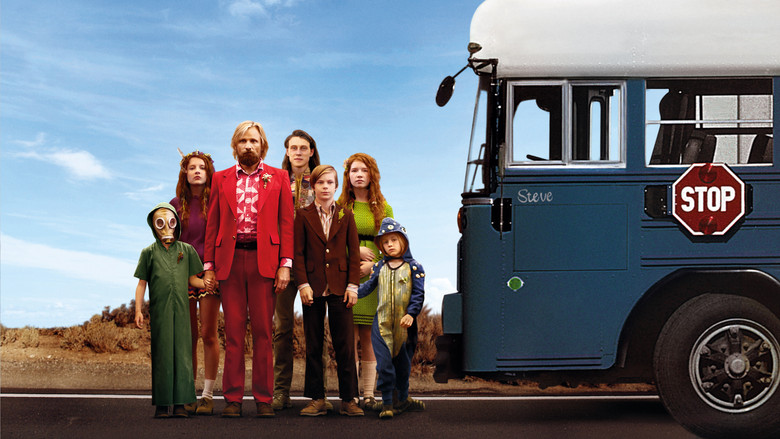
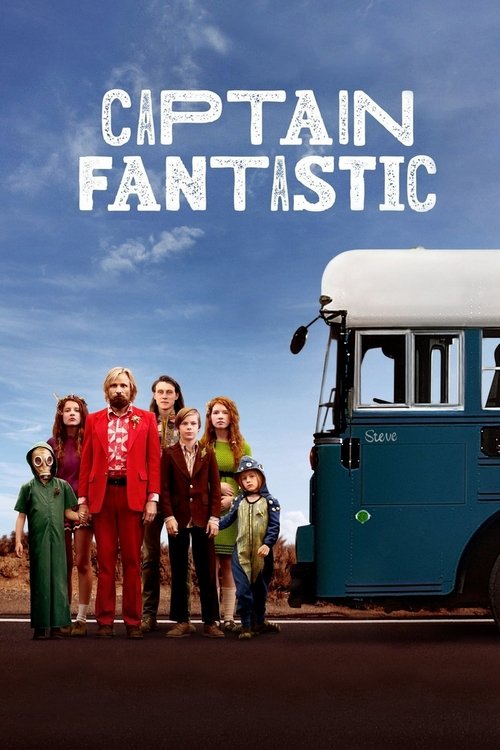
The family's converted school bus, named "Steve," symbolizes their self-contained, mobile world and their journey from isolation to engagement with society. It is their fortress and their vessel, carrying their counter-cultural ideals into the heart of mainstream America.
Steve is the primary setting for the family's road trip. It's filled with books, musical instruments, and survival gear, representing the unique culture Ben has created. The journey on Steve is both literal and metaphorical, as they travel across the country and navigate the challenging terrain of societal norms.
Hunting
The act of hunting, particularly the opening scene where Bo kills a deer, symbolizes a rite of passage into adulthood within the family's value system. It represents self-sufficiency, a connection to nature, and the raw, unsanitized reality of life and death that Ben exposes his children to.
The film opens with this ritualistic hunt. Ben's declaration, "Today the boy is dead, and in his place is a man," establishes the family's core values from the outset. This contrasts sharply with the pre-packaged, sanitized food they encounter later in the film.
Noam Chomsky Day
The celebration of Noam Chomsky's birthday instead of Christmas is a potent symbol of the family's rejection of mainstream cultural and religious traditions in favor of intellectual and political ideals. It highlights their commitment to critical thinking and anti-establishment principles.
This is mentioned as a core part of the family's unique culture. Rellian's frustration with this tradition—"Why can't we celebrate Christmas like the rest of the entire world?"—is an early sign of his desire for a more conventional life.
Ben's Beard
Ben's long, untamed beard is a visual signifier of his wilderness existence and his identity as a non-conformist patriarch. Shaving it off represents a significant turning point and a symbolic shedding of his rigid idealism in favor of a more compromised and integrated approach to life.
Towards the end of the film, after a series of crises that challenge his beliefs, Ben shaves his beard. This act coincides with his decision to allow his children to live with their grandparents, signifying his willingness to change for their sake.
Philosophical Questions
What is the ideal way to raise a child?
The film's central conflict is a direct exploration of this question. It contrasts Ben's radical, off-grid, intellectually rigorous approach with the mainstream, suburban, consumer-driven parenting style of his sister's family. Neither is presented as perfect. Ben's children are brilliant but socially crippled, while his nephews are socially adjusted but intellectually disengaged. The film forces the audience to question their own assumptions about education, socialization, and what it means to prepare a child for the world, ultimately suggesting that the answer lies in a balance between protection and exposure.
Is it possible to live authentically in a society you reject?
Ben and his family attempt to live a life of complete authenticity based on their anti-capitalist and anti-consumerist values by withdrawing from society. However, the death of Leslie forces them back into the world they despise, revealing the near-impossibility of complete separation. The film explores the inherent paradox of their situation: they rely on the very society they reject for certain goods and, ultimately, for their children's future (like college). It questions whether true authenticity comes from radical isolation or from finding a way to live by one's values within the flawed framework of society.
Where is the line between protecting children and harming them?
This question is at the heart of the debate surrounding Ben's parenting. He aims to protect his children from what he sees as the intellectual and moral poison of modern culture. However, this protection leads to a dangerous naivety about social interaction and physical risks (as seen when Vespyr falls from the roof). His father-in-law, Jack, argues that this 'protection' is actually a form of abuse. The film pushes the audience to consider when well-intentioned idealism crosses the line into dangerous neglect.
Core Meaning
The central message of "Captain Fantastic" revolves around the complexities of parenting and the search for a balanced way of life. Director Matt Ross explores the inherent conflict between idealism and the practicalities of raising children in the modern world. The film doesn't offer easy answers but instead presents a nuanced critique of both counter-cultural extremism and mainstream societal norms. It questions what it truly means to be a good parent: Is it protecting children from the perceived ills of society, or preparing them to navigate its complexities? Ultimately, the film suggests that the best path lies in a synthesis of different approaches, embracing knowledge and critical thinking while also allowing for social integration and emotional growth.