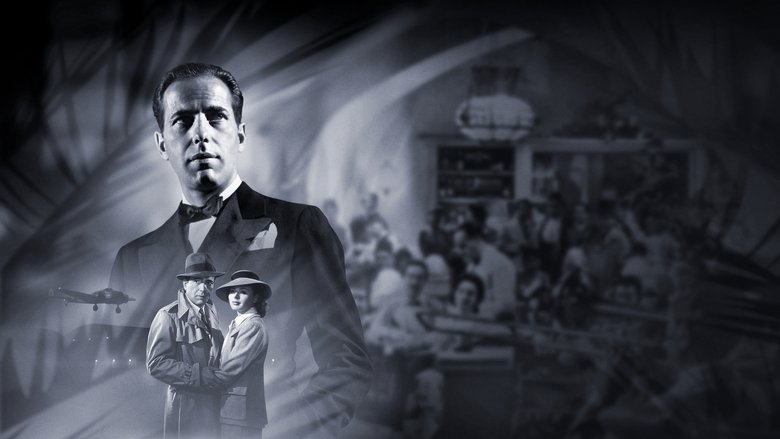
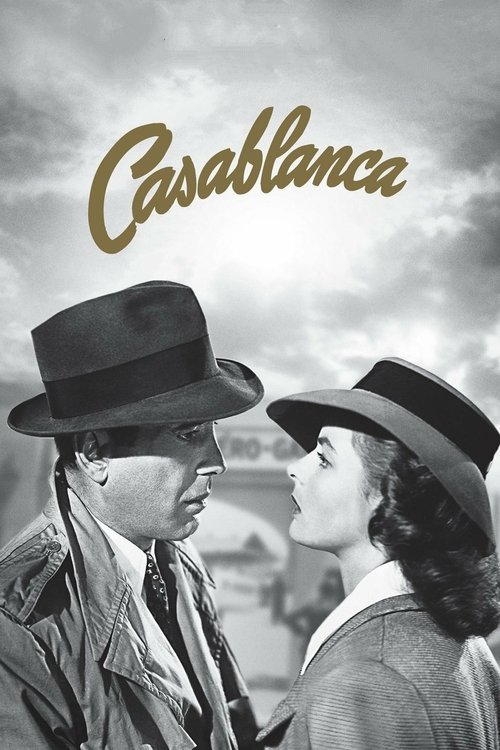
"They had a date with fate in Casablanca!"
Casablanca - Symbolism & Philosophy
Symbols & Motifs
Rick's Café Américain
Rick's Café Américain symbolizes a crossroads of cultures and ideologies, a microcosm of the world in turmoil. It is a place of both refuge and danger for the displaced people of Europe. The café also represents a state of limbo, a place where people are stuck waiting for their fates to be decided. For Rick, it is a self-imposed prison where he hides from his past and the political turmoil of the world.
The entire film is set in and around Rick's café. It is the central meeting place for all the main characters: refugees, Vichy officials, and Nazis. The physical space of the café, with its shadows and hidden corners, reflects the moral ambiguity of its patrons and the uncertain times.
The Letters of Transit
The letters of transit symbolize freedom and escape. They are the tangible hope for a new life away from the war and oppression in Europe. The immense value placed on these documents highlights the desperation of the refugees in Casablanca. For the characters, possessing the letters means holding the power over life and death.
The letters of transit are the central MacGuffin of the film's plot. They are obtained by Ugarte through the murder of two German couriers and entrusted to Rick for safekeeping. The desire to possess these letters drives the actions of many characters, particularly Ilsa and Victor Laszlo, and places Rick in a position of power.
Sam's Piano and "As Time Goes By"
Sam's piano and the song "As Time Goes By" symbolize the past and the enduring power of memory and love. The song is a direct link to Rick and Ilsa's romantic past in Paris. For Rick, the song represents both the happiness he once had and the pain of his heartbreak. The melody serves as a recurring motif that triggers memories and emotions, underscoring the idea that while time moves on, the fundamental feelings of love and loss remain.
Ilsa asks Sam to play "As Time Goes By" upon her arrival at Rick's, which leads to her and Rick's dramatic reunion. Rick has forbidden the song from being played, showing his attempt to suppress his past. The song is played at several key moments throughout the film, often during flashbacks to Rick and Ilsa's time in Paris, highlighting the contrast between their past happiness and their current predicament.
Philosophical Questions
Is it ever justifiable to sacrifice personal happiness for a greater good?
"Casablanca" explores this question through its central love triangle. Rick's ultimate decision to let Ilsa go with Victor, despite his deep love for her, is a profound act of self-sacrifice for the anti-fascist cause. The film argues that in the context of a world at war with tyranny, the needs of the many, and the fight for freedom, outweigh the desires of a few individuals. Victor Laszlo's character embodies this philosophy from the beginning, consistently putting his life on the line for his beliefs. The film's emotional weight comes from the genuine pain of this sacrifice, suggesting that while it is a noble choice, it is also a deeply difficult one.
Can one truly remain neutral in the face of injustice?
The film uses Rick's character arc to argue that neutrality is ultimately a moral failing when confronted with evil. His initial detachment and cynicism are portrayed as a defense mechanism born from heartbreak. However, the events of the film, particularly the presence of the idealistic Victor Laszlo and the oppressive Major Strasser, force him to confront the reality of the Nazi threat. The film suggests that to not take a side is to implicitly support the oppressor. Rick's transformation into an active participant in the fight for freedom is presented as a moral awakening and a necessary step towards redemption.
Core Meaning
The core meaning of "Casablanca" revolves around the themes of sacrifice, idealism, and the conflict between personal desires and the greater good. Director Michael Curtiz, along with the screenwriters, crafts a narrative that explores the journey from cynicism to commitment. Rick Blaine's character arc embodies the central message of the film: in times of great moral crisis, neutrality is not a viable option, and personal sacrifices are necessary for the triumph of freedom and justice. The film suggests that even a world-weary and heartbroken individual can rediscover their idealism and make a profound difference. Ultimately, "Casablanca" is a story about choosing a noble cause over personal happiness, a message that resonated deeply with audiences during World War II and continues to be relevant today.