
The film's resolution hinges on the complete transformation of the relationship between Frank and Carl from adversaries to a surrogate father-son duo. After being captured by Carl in Montrichard, France, Frank is devastated to learn on the flight back to the US that his father, Frank Sr., has died. This news shatters the core motivation for his entire criminal career—the hope of reuniting his family and making his father proud. Grief-stricken, Frank escapes from the plane upon landing, runs to his mother's house, and sees through the window that she has moved on, with a new husband and a young daughter. This is his moment of ultimate defeat; the dream is officially dead.
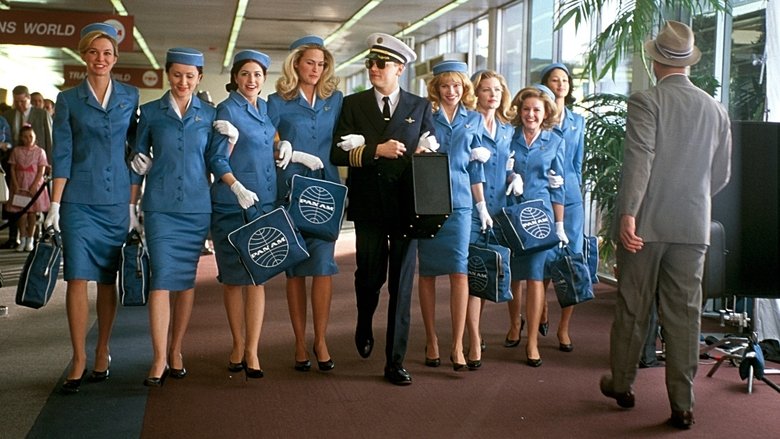
He surrenders peacefully to Carl. Years later, Carl arranges for Frank to serve the remainder of his sentence working for the FBI's check fraud department. The true climax occurs when Frank, restless with his new, mundane life, attempts to run away one last time, dressing as a pilot to escape at an airport. Carl intercepts him but doesn't try to stop him, telling him, "Nobody's chasing you." He gives Frank the choice to run or to stay. Frank's decision to return to work on Monday morning signifies his final, true transformation. He is no longer the boy running from a broken home; he is a man who has chosen to stop, accept his reality, and find a place of belonging through legitimate work and his genuine friendship with Carl.