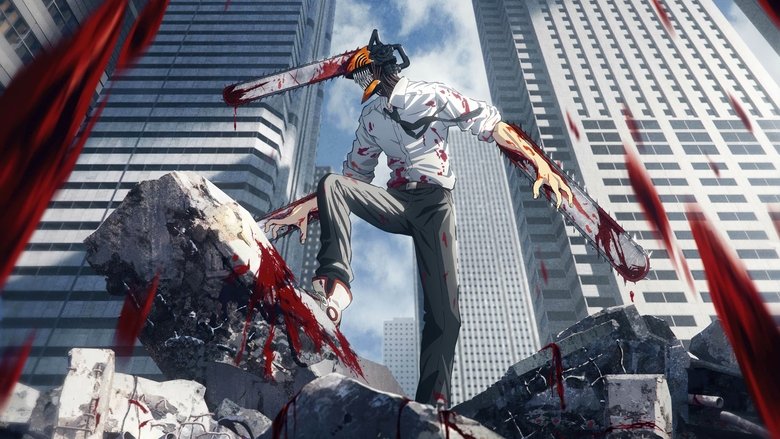
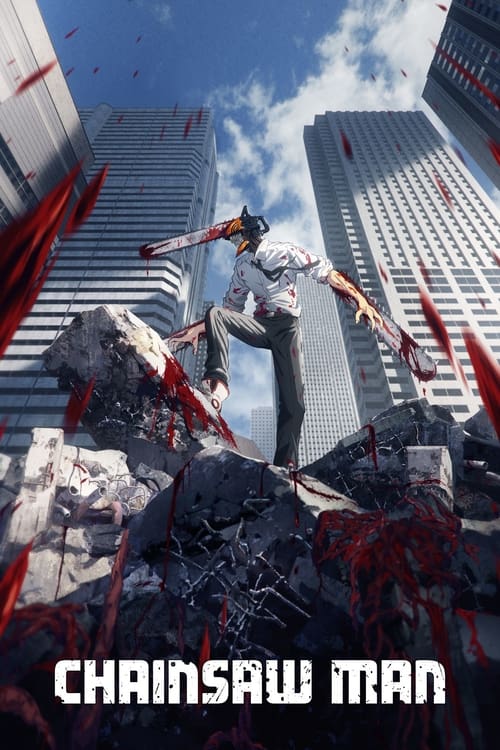
The first season of "Chainsaw Man" meticulously builds a world while seeding crucial future plot points. The central twist of the season is the reveal of the conspiracy against Denji, orchestrated not by a single devil, but by a network of humans allied with the Gun Devil, including the Katana Man, whose grandfather was a yakuza boss Denji killed. This culminates in the devastating attack on the Public Safety Division in Episode 8. A key spoiler is the sacrificial death of Himeno, who offers her entire body to the Ghost Devil in a desperate attempt to save Aki. Her death is pivotal, as it deepens Aki's trauma and strengthens his resolve for revenge, while also leaving a significant emotional scar on the viewer.
Makima's true nature is heavily foreshadowed. In Episode 9, she is shot on a train and presumed dead, only to be revealed as unharmed. She then performs a horrifying ritual from a shrine in Kyoto, using the lives of death-row inmates to remotely crush her attackers. This is the first concrete evidence that she is not human and possesses a terrifying, god-like power. While the season doesn't name her as the Control Devil, it lays all the groundwork, showing her ability to command lesser beings and manipulate events on a grand scale. The cryptic final scene, where a young woman with a similar hair style to a previous antagonist is shown, hints at the introduction of Reze and the Bomb Devil arc, which is the next major storyline from the manga and the subject of the announced movie. The door in Denji's dream remains one of the biggest unresolved elements, symbolizing the repressed memory of him killing his own abusive father, a truth he has yet to consciously accept.