
Chainsaw Man
チェンソーマン
"He's a devil who doesn't deserve human rights."
Overview
"Chainsaw Man" chronicles the bleak life of Denji, a young man crushed by his deceased father's immense debt to the yakuza. His only companion is Pochita, a small dog-like Chainsaw Devil. Denji scrapes by hunting devils for the yakuza until they betray him, leading to his brutal murder. In his final moments, Pochita merges with Denji's heart, resurrecting him as a human-devil hybrid: the Chainsaw Man. He is then found by Makima, a high-ranking Public Safety Devil Hunter, who offers him a choice: be hunted as a devil or work for her, receiving food, shelter, and a semblance of a normal life.
Joining Makima's special squad, Denji is partnered with the stoic and serious Aki Hayakawa and the chaotic Blood Fiend, Power. Together, this dysfunctional found family navigates the perilous world of devil hunting. Denji, driven by simple, almost primal desires—like eating good food and touching a girl's chest—begins to experience a life beyond mere survival for the first time. The season follows their battles against various devils, building towards a confrontation with a powerful entity known as the Gun Devil, while also exploring the complex and often manipulative relationships within the Public Safety Division, particularly Denji's infatuation with the enigmatic Makima.
Core Meaning
At its heart, "Chainsaw Man" is a raw exploration of what it means to be human in a world that constantly tries to strip that humanity away. Created by Tatsuki Fujimoto, the series delves into the desperate pursuit of simple, ordinary dreams in the face of overwhelming poverty, trauma, and exploitation. Denji's journey from a debt-ridden outcast to a powerful hybrid is less a story of heroism and more a poignant, often tragic, quest for connection, intimacy, and a normal life he was never allowed to have. The narrative questions the nature of control, desire, and happiness, suggesting that even in a grotesque world filled with monstrous fears, the most profound struggles and simplest joys are deeply, painfully human. It's a critique of exploitative systems and a celebration of finding meaning not in grand ambitions, but in shared meals and fragile, makeshift bonds.
Thematic DNA
The Pursuit of a Normal Life
Denji's primary motivation is not to save the world, but to achieve the mundane dreams he was denied by poverty, such as eating jam on toast, having a girlfriend, and sleeping in a real bed. This theme subverts typical shonen protagonist goals, grounding the fantastical story in a deeply relatable, human desire for normalcy and basic comforts. His brutal life has left him with a limited perspective, making his simple aspirations both tragic and endearing.
Manipulation and Control
A central theme is the pervasive nature of manipulation, embodied primarily by Makima. She uses Denji's simple desires and emotional vulnerability to control him, treating him as her "dog." This explores how authority figures and systems exploit the desperate for their own ends. The series continuously questions the nature of free will versus subjugation, as characters grapple with contracts and relationships that bind them in complex webs of obligation and control.
Found Family and Alienation
Despite their abrasive interactions, Denji, Aki, and Power form a dysfunctional yet genuine found family. They are all outcasts who find a strange sense of belonging with each other. Their cohabitation and shared battles reveal moments of sincere connection and loyalty amidst the chaos. This theme highlights the human need for companionship and how bonds can form in the most unlikely and hostile environments, serving as a fragile shield against the world's brutality.
The Nature of Fear and Power
In the world of "Chainsaw Man," devils are born from human fears, and their power is proportional to how much that fear is felt. The Gun Devil, for instance, is immensely powerful due to the widespread fear of guns. This creates a direct link between collective human psychology and the monstrous threats that plague society. The series uses this concept to explore how fear can be both a destructive force and a source of power to be wielded.
Character Analysis
Denji
Kikunosuke Toya
Motivation
Initially, Denji's sole motivation is survival. After joining Public Safety, his motivations become deceptively simple: to live a comfortable life with good food, a roof over his head, and to experience intimacy with a woman, specifically his desire to touch a woman's chest. This is largely focused on his infatuation with Makima, who cleverly uses these desires to control him.
Character Arc
Denji begins as a deeply traumatized and impoverished teenager with no ambition beyond survival and paying off his father's debt. His transformation into Chainsaw Man and recruitment into Public Safety marks the beginning of his arc. Throughout Season 1, he transitions from a state of pure survival to someone who begins to form relationships and experience a semblance of a normal life. His worldview is simplistic and crude, driven by base desires. However, through his interactions with Power and Aki, he starts to develop a capacity for caring about others, moving from complete emotional detachment to forming the fragile bonds of a found family. His arc in the first season is about discovering that he can want more from life than just not dying.
Makima
Tomori Kusunoki
Motivation
Makima's true motivations are kept deliberately vague in the first season. Publicly, her goal is to protect humanity from devils by leading her squad. Privately, she is obsessed with the Chainsaw Man, or rather, the devil Pochita inside him. She seeks to control him completely to utilize his power for her own ambiguous, grander purpose.
Character Arc
Makima is presented as a high-ranking, enigmatic, and powerful Devil Hunter. Her arc in Season 1 is one of slowly revealing her manipulative nature while maintaining an alluring and calm facade. She 'saves' Denji and quickly establishes absolute control over him through a combination of kindness, promises of a better life, and subtle threats. Throughout the season, her actions and mysterious abilities hint at a much larger, more sinister agenda. She remains largely a mystery, but her arc is defined by the consolidation of her power over Denji and her strategic elimination of any threats to her plans.
Aki Hayakawa
Shogo Sakata
Motivation
Aki's overriding motivation is to kill the Gun Devil, the entity responsible for his family's death. This singular focus on revenge drives him to make dangerous contracts and endure immense personal suffering. He is willing to sacrifice his own life to achieve this goal, which puts him at odds with Denji's desire to simply live.
Character Arc
Aki is introduced as a professional, serious, and seemingly cold Devil Hunter driven by a deep-seated hatred for devils after his family was killed by the Gun Devil. His arc in Season 1 involves the slow thawing of his stoic exterior. Initially resentful of having to care for the chaotic Denji and Power, he gradually and reluctantly assumes the role of a caretaker and older brother figure. He is forced to confront the immense personal cost of his quest for revenge, sacrificing years of his lifespan in contracts with devils. His relationship with his doomed partner, Himeno, reveals his capacity for deep emotional connection and foreshadows the tragic path he is on.
Power
Fairouz Ai
Motivation
Power's motivations are immediate and self-centered: she wants to find her cat, avoid work, and establish her superiority over humans. She is driven by impulse and a desire for gratification. However, her core motivation is eventually revealed to be her love for her cat, Meowy, which is the one genuine emotional connection she has at the start of the series.
Character Arc
Power, a Blood Fiend, starts as a selfish, compulsive liar who cares only for herself and her cat, Meowy. She is childish, arrogant, and has no regard for human life. Her arc in the first season is about learning, albeit slowly and erratically, to care for someone other than herself. After Denji saves her and Meowy from the Bat Devil, she forms a reluctant bond with him. Living with Denji and Aki forces her into a semblance of a family dynamic, and while she remains chaotic and self-serving, she begins to show moments of genuine, if clumsy, affection and loyalty, particularly towards Denji.
Symbols & Motifs
Chainsaws
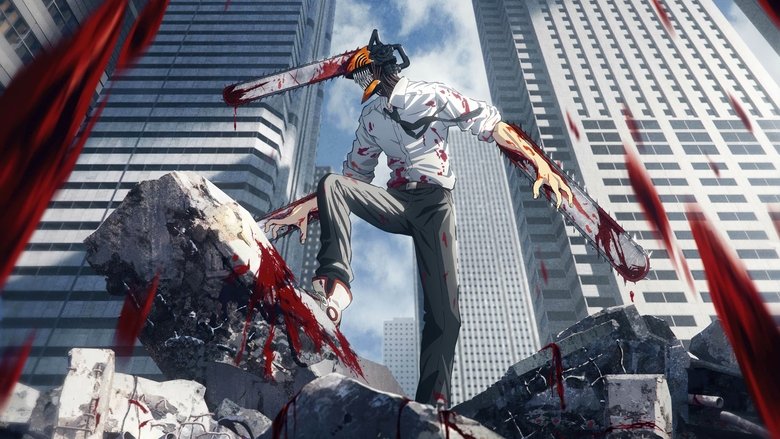
The chainsaw symbolizes raw, destructive power and the brutal reality Denji inhabits. It's a tool for both creation (in its real-world use) and, in Denji's case, utter destruction. It represents the violent, chaotic nature he must embrace to survive, but also his internal struggle between his humanity and the devil within him.
Denji's transformation into Chainsaw Man involves chainsaws erupting from his head and arms. This imagery is consistently used in his battles against devils, visually representing his visceral and overwhelming power that tears through his enemies and the fabric of his world.
The Door in Denji's Dream
The recurring dream of a mysterious door that Pochita warns him never to open symbolizes repressed trauma and dangerous, hidden truths within Denji's subconscious. It represents a part of his past and his own nature that he is not ready, or is perhaps too afraid, to confront. Opening it would mean facing a devastating reality that could shatter his fragile sense of self.
This door appears to Denji in his dreams several times throughout the first season. Pochita's voice always warns him against opening it, creating a sense of dread and mystery that hangs over Denji's past and future. It becomes a key element of suspense, hinting at deeper psychological stakes beyond the physical battles.
Food
Food, particularly plain bread with jam, represents the simple pleasures and normalcy that Denji desperately craves. Having been starved for most of his life, the act of eating a proper meal is a profound experience for him. It symbolizes his newfound life at Public Safety, the basic human dignity he was denied, and the small joys he is finally able to experience.
From his first meal of udon with Makima to his joy over the food available at Aki's apartment, food is a constant motif. Denji's conversations often revolve around it, and his willingness to do almost anything for a good meal underscores his simple motivations and the depth of his previous deprivation.
Episode Highlights
Dog & Chainsaw
This episode masterfully establishes the brutal, depressing world Denji inhabits. It introduces his crushing debt, his bond with Pochita, and his desperate will to survive. The climax, where Denji is betrayed and reborn as Chainsaw Man in a gory explosion of violence, is a shocking and powerful series premiere.
It sets the dark, violent, and emotionally raw tone for the entire series. It establishes Denji's core motivations and origins, and the sacrificial pact with Pochita serves as the emotional bedrock of his character. His first meeting with Makima immediately introduces the theme of control that will define their relationship.
Meowy's Whereabouts
This episode focuses on the introduction of Power and her selfish manipulation of Denji to save her cat, Meowy. Denji's decision to help her, despite her betrayal, culminates in a brutal fight with the Bat Devil and showcases his burgeoning capacity for empathy.
It solidifies the dysfunctional dynamic between Denji and Power, laying the groundwork for their sibling-like relationship. It's a crucial early moment of character development for both, showing that Denji is more than just his base desires and that Power is capable of forming attachments.
The Gun Devil
A sudden and shocking attack by the Katana Man and his associates devastates the Public Safety Division. Key characters, including Himeno, are killed in a brutal, coordinated assault. Denji is seemingly defeated and captured in a visceral and chaotic battle sequence.
This episode dramatically raises the stakes of the series and reinforces the theme that no character is safe. Himeno's death is a major emotional blow, particularly for Aki, and it shatters the brief period of normalcy the characters had found. It marks a major turning point in the season's narrative from monster-of-the-week to a direct conflict with a human-led conspiracy.
From Kyoto
Following the devastating attack, the surviving members of the squad are reeling. Makima survives a seemingly fatal gunshot wound through mysterious means, demonstrating the true extent of her power by remotely killing her attackers from a Kyoto shrine. Aki makes a new, dangerous contract with the Future Devil to gain an edge.
This episode reveals the terrifying and supernatural nature of Makima's abilities, cementing her as an immensely powerful and inhuman figure. Aki's new contract further pushes him down his tragic path of self-sacrifice, highlighting his desperation for revenge. It expands the lore of devil contracts and shifts the power dynamics of the series significantly.
Katana vs. Chainsaw
The season finale features the climactic rematch between Denji and the Katana Man. Denji, having been trained by Kishibe, showcases a more strategic and brutal fighting style, culminating in a humiliating and darkly comedic defeat for his opponent. The episode ends with a cryptic conversation hinting at future threats.
This episode demonstrates Denji's growth as a fighter and his hardening resolve. The brutal and almost casual way he and Aki torture the defeated Katana Man shows how the violence of their lives is affecting them. It concludes the first major arc of the series while setting up future plotlines, including the overarching goal of defeating the Gun Devil and the mysteries surrounding Makima.
Philosophical Questions
What is the value of a 'normal' life?
The series constantly explores this question through Denji. His dreams are not grand; they are intensely mundane. By placing such a high value on simple comforts, the narrative forces the audience to reconsider their own definitions of happiness and ambition. Is a life of struggle for grand ideals more valuable than a life of peace with simple joys? The show suggests that for those who have had nothing, the 'boring' normalcy that many take for granted is the ultimate paradise.
Can genuine connection exist in a transactional world?
Nearly every relationship in "Chainsaw Man" begins as a transaction. Denji works for Makima in exchange for a home. Aki and Power are forced to live together as colleagues. Devil contracts themselves are the ultimate transaction, trading lifespan or body parts for power. The series explores whether authentic bonds of love and family can grow from these inherently selfish and utilitarian beginnings, suggesting that even in a world built on contracts, shared experience and vulnerability can lead to genuine, if dysfunctional, relationships.
Alternative Interpretations
One significant alternative interpretation revolves around Makima's character and her role as the Control Devil. While on the surface she is a straightforward villainous manipulator, some readings view her actions through a more tragic lens. Her ultimate goal, which is more fleshed out in the manga, is to create a 'better' world by erasing concepts like fear and suffering through Chainsaw Man's power. This positions her not as purely evil, but as a utilitarian antagonist who employs monstrous means for what she perceives as a noble, albeit twisted, end. Her desire for an equal relationship, which she seeks with the Chainsaw Man, can also be interpreted as a deep-seated loneliness stemming from her inability to form genuine connections due to her very nature, making her a tragic figure in her own right rather than a simple power-hungry villain.
Cultural Impact
"Chainsaw Man" premiered in 2022 to massive anticipation, quickly becoming one of the most discussed anime of the year. Its subversion of common shonen tropes—featuring a protagonist driven by base desires rather than heroic ideals—was seen as a breath of fresh air. The series resonated with audiences for its raw emotional honesty, dark humor, and unflinching depiction of violence, distinguishing it from contemporaries like "Jujutsu Kaisen" and "Demon Slayer." The anime, produced by studio MAPPA, was lauded for its cinematic quality, fluid animation, and the unique decision to have a different ending song for each episode, which became a weekly event for fans online. Critically, the show received widespread acclaim for its character development and thematic depth, exploring issues of poverty, exploitation, and the search for meaning in a bleak world. The character of Makima, in particular, became an iconic figure in pop culture, embodying the themes of manipulation and control that resonated with a modern audience. The series' popularity has further boosted sales of the already best-selling manga, cementing Tatsuki Fujimoto's status as a unique and influential voice in the industry.
Audience Reception
The audience reception for the first season of "Chainsaw Man" was overwhelmingly positive, though not without some points of contention. Fans of the original manga widely praised the anime for its faithful adaptation, high-quality animation by MAPPA, and stellar voice acting. The unique creative choice of having 12 different ending themes was particularly lauded as an innovative and exciting feature. However, a vocal minority of fans criticized the directing style, arguing that its more grounded, cinematic approach failed to capture the chaotic, frenetic energy of Fujimoto's manga panels. There were also some debates about the use of CGI in certain fight scenes. Despite these minor criticisms, the series was a massive commercial and popular success, dominating social media discussions during its broadcast and earning widespread acclaim for its mature themes, complex characters, and its subversion of the shonen genre.
Interesting Facts
- The creator of the original manga, Tatsuki Fujimoto, is a massive cinephile, and the anime's opening sequence is packed with shot-for-shot homages to various films, including 'The Big Lebowski,' 'Pulp Fiction,' 'Reservoir Dogs,' and 'Attack of the Killer Tomatoes.'
- Uniquely, the anime series features a different ending theme song and a completely different animated sequence for each of its 12 episodes, showcasing a wide variety of Japanese artists and visual styles.
- MAPPA, the animation studio, reportedly took a significant financial risk by funding the entire project themselves, without a production committee, in order to maintain complete creative control over the adaptation.
- The manga's creator, Tatsuki Fujimoto, has spoken about the brutal working conditions of weekly serialization at Shonen Jump, which influenced his decision to move the second part of the manga to the more flexible Shonen Jump+ digital platform.
Easter Eggs
The anime's opening theme, "KICK BACK" by Kenshi Yonezu, samples a lyric from the J-pop song "SOUDA! We're ALIVE" by Morning Musume.
This reference is a nod from Kenshi Yonezu to his own musical influences and adds a layer of intertextuality to the opening. It connects the chaotic energy of "Chainsaw Man" to a different, more upbeat era of Japanese pop culture, creating an interesting juxtaposition.
Throughout the opening credits and in some scenes, there are visual references to Dante's 'Inferno,' particularly in the depiction of Hell.
This adds a layer of classical literary depth to the series' world-building. The hierarchy and horrifying nature of the devils in "Chainsaw Man" echo the structured circles of Hell in Dante's epic poem, suggesting a more ancient and profound source for the series' cosmology.
⚠️ Spoiler Analysis
Click to reveal detailed analysis with spoilers
Frequently Asked Questions
Explore More About This Movie
Dive deeper into specific aspects of the movie with our detailed analysis pages
Comments (0)
No comments yet. Be the first to share your thoughts!