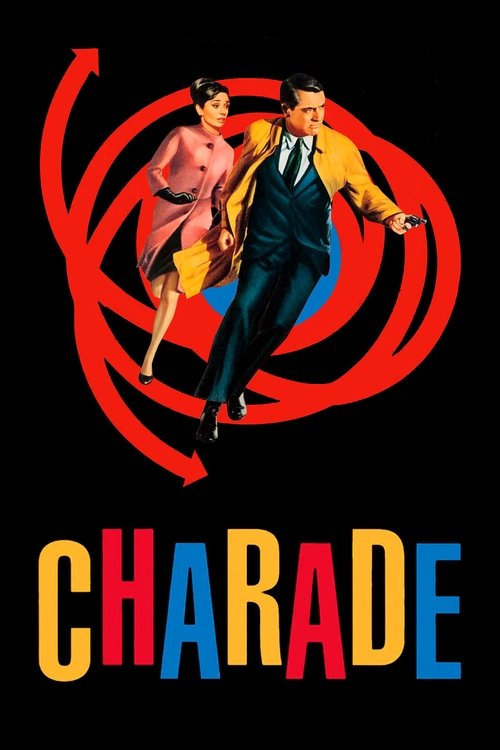
Charade
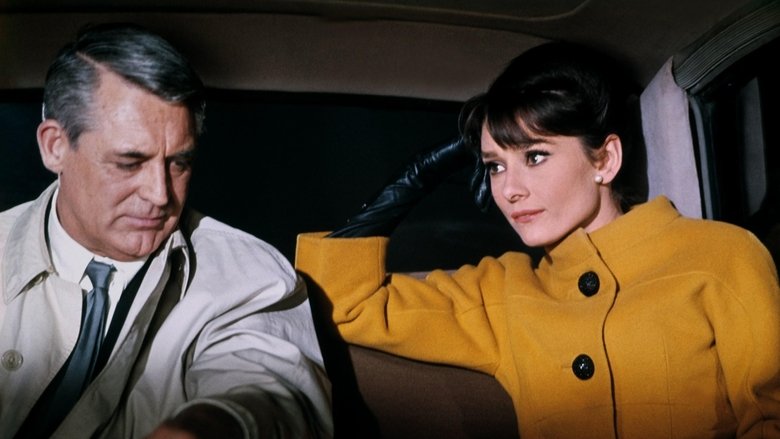
A sparkling romantic thriller where elegance meets peril. It's a dizzying dance of shifting identities and misplaced trust, set against a glamorous Parisian backdrop where every shadow hides murder and mischief.
Charade
Charade

"Is anyone really who they seem to be?"

01 December 1963 United Kingdom 113 min ⭐ 7.7 (1,501)
Director: Stanley Donen
Cast: Cary Grant, Audrey Hepburn, Walter Matthau, James Coburn, George Kennedy
Comedy Mystery Romance
Trust and Deception Greed and Materialism The Fluidity of Identity Romance Amidst Peril
Budget: $4,000,000
Box Office: $13,475,000

Charade - Ending Explained

⚠️ Spoiler Analysis

The central mystery of the missing $250,000 is resolved when Reggie realizes that the seemingly worthless items in her late husband's travel bag hold the key. The fortune was converted into three immensely valuable rare stamps (including the famous Gazette Maldave), which were affixed to a plain envelope hidden in plain sight.

The film's major twist is the true identity of the villain. The supposed CIA administrator Hamilton Bartholomew is revealed to be Carson Dyle, the fourth member of the WWII OSS squad who was thought to have been killed in a German ambush. He orchestrated the entire scheme to steal the money for himself. In a tense climax at an empty theatre, Reggie is saved by Cary Grant's character, who utilizes a stage trapdoor to send Dyle to his death. Grant's character finally reveals his true, lasting identity: Brian Cruikshank, a legitimate U.S. Treasury agent.

Alternative Interpretations

While typically viewed as a straightforward romantic thriller, Charade can be interpreted as a meta-commentary on Hollywood romance and espionage tropes. The film constantly winks at the audience, acknowledging the absurdity of its own plot twists, especially through Cary Grant's ever-changing aliases which parody the suave, infallible spy archetype.

Another reading focuses on the film's feminist undertones. Because the script was rewritten to have Reggie pursue the male lead, she exhibits a rare sense of agency for a 1960s heroine. She is not merely a damsel in distress; she actively drives the romantic narrative, making her a thoroughly modern protagonist navigating a world of untrustworthy men.