The core message of "Chernobyl" is a stark warning about the perilous cost of lies and the suppression of truth. Creator Craig Mazin stated his intention was to explore "how we're struggling with the global war on the truth right now." The series argues that the disaster was not merely a result of human error or faulty technology, but the inevitable consequence of a system where institutional arrogance, the suppression of criticism, and the prioritization of state image over human life were endemic. Legasov's haunting question, "What is the cost of lies?" encapsulates the series' central thesis: a debt is always owed to the truth, and sooner or later, that debt is paid, often with catastrophic consequences. The show posits that truth is an objective force that doesn't care about governments or ideologies; it simply is, and ignoring it leads to ruin.
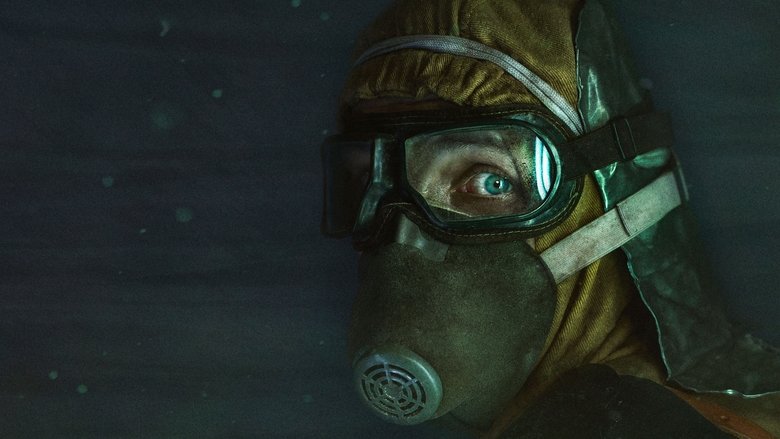
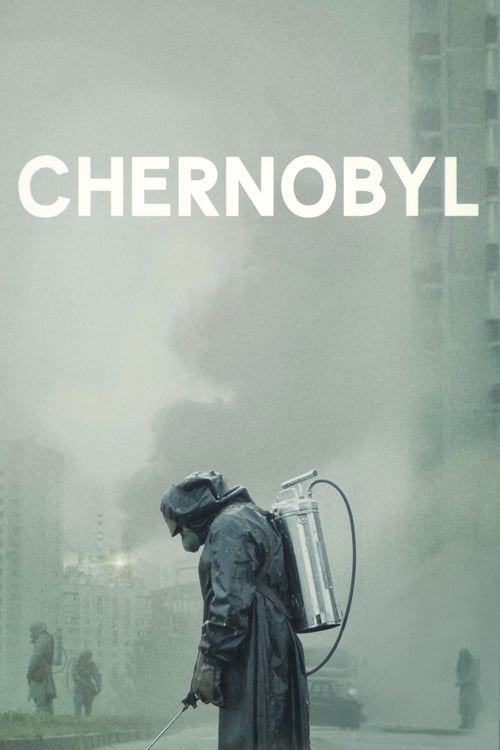
"What is the cost of lies?"
Cast: Jared Harris, Stellan Skarsgård, Emily Watson, Paul Ritter, Jessie Buckley
Chernobyl — Symbolism & Philosophy
Symbols & Motifs
Graphite
Graphite symbolizes the undeniable, physical truth of the disaster. Its presence outside the reactor building is the first concrete proof for the scientists that the reactor core (which is made of graphite moderators) has exploded, a fact the plant's leadership desperately tries to deny.
In Episode 1, "1:23:45," a young engineer picks up a piece of what he thinks is debris, only to have his hand rapidly blister. Valery Legasov's first question upon being briefed is about seeing graphite on the ground. When its presence is confirmed, he knows the official story is a lie. The graphite is a recurring motif representing a truth that cannot be buried or spun.
The Color Red
Red functions as a symbol of both the Soviet state and of danger, warning, and impending doom. It is the color of the Communist Party, seen in banners and uniforms, but it is also the color of the alarms, the fire, and the bloody, burned skin of the victims.
The color is pervasive throughout the series. It's in the red phones of the Kremlin, the banners proclaiming "Our goal is the happiness of all mankind," and most terrifyingly, in the bright red skin of the firefighters suffering from acute radiation syndrome. This dual meaning highlights the link between the state's ideology and the disaster it caused.
Animals
The animals in the series, particularly the dogs in Pripyat, represent the innocent and voiceless victims of the catastrophe. Their fate highlights the far-reaching and indiscriminate nature of the disaster, which affects all life, not just humans.
In Episode 4, "The Happiness of All Mankind," a significant portion is dedicated to a squad of young soldiers tasked with killing all abandoned pets in the exclusion zone to prevent the spread of contamination. The emotional toll this takes on the soldiers, particularly the young recruit Pavel, serves as a powerful and heartbreaking subplot that underscores the immense, hidden suffering caused by the accident.
Philosophical Questions
What is the relationship between truth and power?
The series constantly explores the tension between objective, scientific truth and political power. It poses the question of whether a system built on a specific ideology can survive when confronted with a truth that fundamentally contradicts it. The Soviet government's initial response is to try to bend reality to fit its narrative of strength and infallibility. Legasov's journey demonstrates the immense personal cost of speaking truth to power, yet the exploding reactor itself serves as the ultimate proof that physical reality is indifferent to political decree. The series suggests that power based on lies is inherently unstable and will eventually be destroyed by the truths it tries to suppress.
What is the nature of heroism and sacrifice?
"Chernobyl" presents a deglamorized, harrowing vision of heroism. The heroes are not triumphant warriors but ordinary people—firefighters, engineers, miners, soldiers—who are forced to make unimaginable sacrifices. Their bravery is quiet, grim, and often anonymous. The series asks what drives people to walk knowingly toward certain death. Is it patriotism, duty, or a basic human impulse to help in a crisis? It contrasts the immense sacrifices of the common people with the self-preservation of the political elite, suggesting that true heroism is found in taking responsibility when those in power refuse to.
Can individual morality exist within a corrupt system?
The series delves into the difficult choices individuals face when operating within a morally compromised system. Characters like Legasov and Shcherbina are products of the Soviet state and have been complicit in its workings for their entire careers. The disaster forces them to confront the moral bankruptcy of the system they serve. The show explores whether it is possible to effect positive change from within such a system or if true morality requires open rebellion. Legasov's final act at the trial is a testament to the idea that an individual's conscience can, and must, ultimately defy the demands of a corrupt state, even if it leads to personal ruin.
Core Meaning
Explore More About This Movie
Dive deeper into specific aspects of the movie with our detailed analysis pages