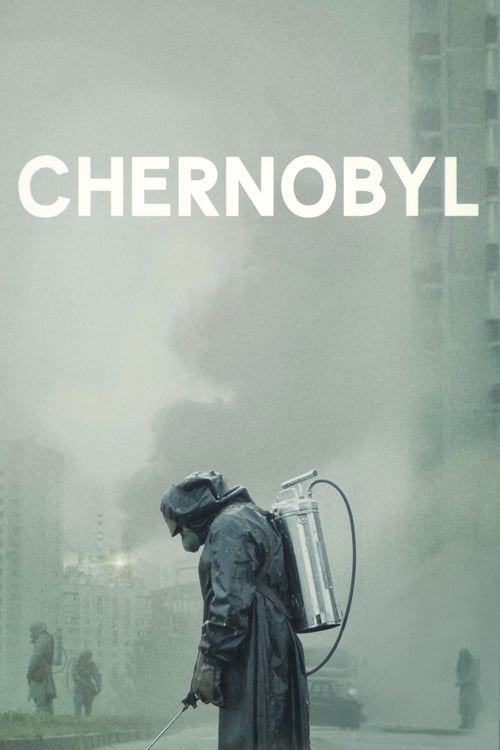
Chernobyl
"What is the cost of lies?"
Overview
"Chernobyl" is a five-part historical drama miniseries that meticulously chronicles the events of the April 1986 nuclear disaster at the Chernobyl Nuclear Power Plant in the Ukrainian Soviet Socialist Republic. The narrative begins in the immediate aftermath of the explosion, focusing on the frantic, disbelief-fueled reactions of the plant workers and the first responders who were unknowingly rushing towards their deaths. The story rapidly expands to show the catastrophic scale of the event and the desperate, often contradictory, responses from the Soviet government.
The series follows two central figures: Valery Legasov (Jared Harris), a leading Soviet nuclear physicist, and Boris Shcherbina (Stellan Skarsgård), a Council of Ministers' deputy chairman. Together, they are tasked with understanding the unprecedented crisis and containing an escalating disaster that threatens the entire continent. A composite character, nuclear physicist Ulana Khomyuk (Emily Watson), joins their efforts, representing the many scientists who worked to uncover the truth. The show details the immense human cost, from the horrific deaths of firefighters to the mass evacuations and the harrowing cleanup operations, painting a powerful portrait of bravery, sacrifice, and the devastating consequences of a political system built on lies.

Core Meaning
The core message of "Chernobyl" is a stark warning about the perilous cost of lies and the suppression of truth. Creator Craig Mazin stated his intention was to explore "how we're struggling with the global war on the truth right now." The series argues that the disaster was not merely a result of human error or faulty technology, but the inevitable consequence of a system where institutional arrogance, the suppression of criticism, and the prioritization of state image over human life were endemic. Legasov's haunting question, "What is the cost of lies?" encapsulates the series' central thesis: a debt is always owed to the truth, and sooner or later, that debt is paid, often with catastrophic consequences. The show posits that truth is an objective force that doesn't care about governments or ideologies; it simply is, and ignoring it leads to ruin.
Thematic DNA
The Cost of Lies
This is the series' primary theme, explicitly stated in the opening and closing narration by Valery Legasov. Throughout the five episodes, the narrative demonstrates how the Soviet state's obsession with secrecy and control, its culture of institutional deceit, directly led to the disaster and exacerbated its aftermath. From the initial denial by plant supervisors about the reactor core exploding to the government's delay in evacuating Pripyat to protect its global image, every lie compounds the tragedy. The series methodically illustrates that the real danger of lies isn't just that they'll be mistaken for the truth, but that hearing enough of them erodes the ability to recognize truth at all, leaving a society vulnerable to catastrophe. The ultimate price is paid not by the powerful who tell the lies, but by the ordinary people who suffer the consequences.
Humanity vs. The System
"Chernobyl" contrasts the impersonal, inhuman cruelty of the Soviet bureaucracy with the profound courage and sacrifice of individuals. The system is portrayed as a machine that prioritizes its own preservation above all else, forcing people into impossible situations. Against this backdrop, the series highlights countless acts of heroism: the firefighters walking into a radioactive inferno, the three engineers (the "suicide squad") volunteering to drain the bubbler tanks, the miners digging a tunnel in extreme heat to prevent a steam explosion, and the liquidators clearing radioactive debris from the roof. These acts are often stripped of glory, presented as grim, necessary sacrifices made by ordinary people to avert a wider catastrophe, showcasing the resilience of the human spirit in the face of systemic failure.
The Nature of Truth
The series explores the philosophical concept of truth as an unyielding, scientific reality. Legasov, the scientist, becomes the champion of this idea, fighting against a political apparatus that believes truth is malleable and subject to ideology. His journey is a struggle to make the political leadership accept the physical reality of the disaster. The show argues that scientific truth is not a matter of opinion or perspective; radiation is lethal whether the state acknowledges it or not. As Legasov says, "The truth doesn't care about our needs or wants. It doesn't care about our governments, our ideologies, our religions. It will lie in wait for all time." This theme is a powerful commentary on the importance of expertise and the dangers of allowing politics to dictate scientific fact.
The Unseen Horror
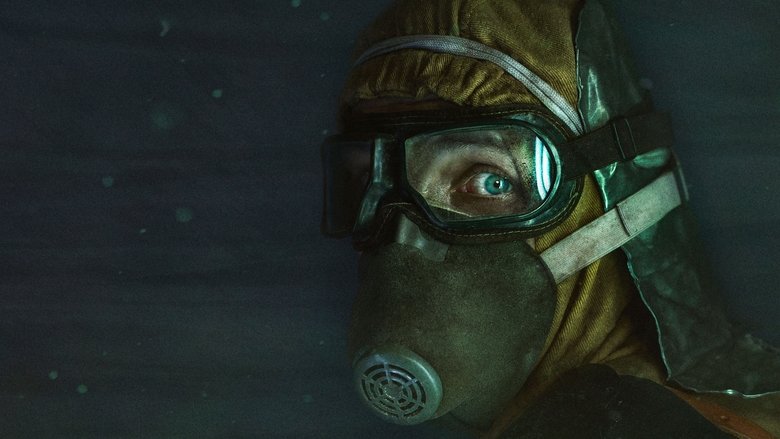
A significant source of the series' tension and horror is the invisibility of the primary threat: radiation. Director Johan Renck and cinematographer Jakob Ihre masterfully create a sense of palpable dread around an enemy that cannot be seen, smelled, or tasted. The horror is rational, stemming from the dawning awareness of a terrible reality. This is visualized through the Geiger counters' frantic clicking, the metallic taste the victims experience, and the horrific, gruesome decay of the human body from radiation sickness. The series makes the invisible visible, turning an abstract scientific concept into a visceral, terrifying force that corrupts life from the inside out.
Character Analysis
Valery Legasov
Jared Harris
Motivation
Initially, Legasov is motivated by his scientific duty to understand and solve the problem. This quickly evolves into a desperate moral imperative to save as many lives as possible by forcing the state to confront the reality of the situation. His final motivation is to ensure the truth of why Chernobyl happened is revealed to the world, so such a catastrophe, born of lies, can never happen again.
Character Arc
Legasov begins as a respected but cautious scientist, a man comfortable within the Soviet system. Thrust into the heart of the disaster, he is initially deferential to political authority. However, as he confronts the scale of the horror and the obstinance of the state's denial, he undergoes a profound transformation. His arc is a journey from compliance to conscience. He learns to navigate the treacherous political landscape, forming an unlikely alliance with Boris Shcherbina, and ultimately finds the courage to speak the unvarnished truth at the trial, knowing it will cost him his career and reputation, and contribute to his eventual suicide. He evolves into a martyr for the truth.
Boris Shcherbina
Stellan Skarsgård
Motivation
Shcherbina's motivation shifts from preserving the power and image of the Soviet state to a pragmatic desire to simply solve the problem at hand. As he faces his own mortality from radiation exposure, his motivation becomes deeply personal: to do the right thing and support Legasov in forcing the system to acknowledge its catastrophic failure, regardless of the personal cost.
Character Arc
Shcherbina is introduced as a hardened, cynical party apparatchik, a man who embodies the institutional arrogance of the Soviet system. He is initially dismissive of Legasov and the scientific realities, viewing the disaster as a political problem to be managed. His arc is one of gradual, powerful disillusionment and awakening. By witnessing the devastation firsthand, listening to Legasov's irrefutable logic, and understanding the human cost, his bureaucratic shell cracks. He transforms from a tool of the state into Legasov's most crucial ally, using his authority to enact the necessary, terrifying measures to contain the disaster. He dies a man who has come to value truth over ideology.
Ulana Khomyuk
Emily Watson
Motivation
Khomyuk is driven by a fierce and incorruptible belief in the scientific method and the necessity of truth. Her primary motivation is to understand *why* the reactor exploded, not just how to contain it. She understands that without knowing the full, flawed truth of the reactor's design, the disaster could happen again at any of the other RBMK reactors across the Soviet Union.
Character Arc
Ulana Khomyuk is a fictional, composite character created to represent the dozens of scientists who worked alongside Legasov. As such, her arc is less about personal transformation and more about representing the relentless pursuit of scientific truth. She begins as a nuclear physicist in Minsk who detects the radiation spike and bravely challenges the official narrative from the outset. Throughout the series, she is the driving force behind the investigation, fearlessly interviewing the dying engineers in Moscow's Hospital 6 to piece together the puzzle of the explosion. Her arc is one of unwavering resolve; she is the conscience of the scientific community, pushing Legasov to fight for the whole truth, not just the parts the state will accept.
Symbols & Motifs
Graphite
Graphite symbolizes the undeniable, physical truth of the disaster. Its presence outside the reactor building is the first concrete proof for the scientists that the reactor core (which is made of graphite moderators) has exploded, a fact the plant's leadership desperately tries to deny.
In Episode 1, "1:23:45," a young engineer picks up a piece of what he thinks is debris, only to have his hand rapidly blister. Valery Legasov's first question upon being briefed is about seeing graphite on the ground. When its presence is confirmed, he knows the official story is a lie. The graphite is a recurring motif representing a truth that cannot be buried or spun.
The Color Red
Red functions as a symbol of both the Soviet state and of danger, warning, and impending doom. It is the color of the Communist Party, seen in banners and uniforms, but it is also the color of the alarms, the fire, and the bloody, burned skin of the victims.
The color is pervasive throughout the series. It's in the red phones of the Kremlin, the banners proclaiming "Our goal is the happiness of all mankind," and most terrifyingly, in the bright red skin of the firefighters suffering from acute radiation syndrome. This dual meaning highlights the link between the state's ideology and the disaster it caused.
Animals
The animals in the series, particularly the dogs in Pripyat, represent the innocent and voiceless victims of the catastrophe. Their fate highlights the far-reaching and indiscriminate nature of the disaster, which affects all life, not just humans.
In Episode 4, "The Happiness of All Mankind," a significant portion is dedicated to a squad of young soldiers tasked with killing all abandoned pets in the exclusion zone to prevent the spread of contamination. The emotional toll this takes on the soldiers, particularly the young recruit Pavel, serves as a powerful and heartbreaking subplot that underscores the immense, hidden suffering caused by the accident.
Memorable Quotes
What is the cost of lies? It's not that we'll mistake them for the truth. The real danger is that if we hear enough lies, then we no longer recognize the truth at all.
— Valery Legasov
Context:
This is part of the narration from the cassette tapes Legasov records on the second anniversary of the explosion, just before his suicide. It frames the entire story as a cautionary tale about the corrosive nature of institutional lies. It appears in Episode 1, "1:23:45," and is revisited in the finale, Episode 5, "Vichnaya Pamyat."
Meaning:
This quote, from the opening and closing scenes of the series, serves as its central thesis. It encapsulates the idea that the Chernobyl disaster was the ultimate consequence of a political system built on deceit, where the constant distortion of reality rotted the state from within and made such a catastrophe inevitable.
Every lie we tell incurs a debt to the truth. Sooner or later, that debt is paid.
— Valery Legasov
Context:
Legasov says this on his tapes in the opening scene of Episode 1, "1:23:45." It sets the grim, fatalistic tone of the series and immediately establishes the primary theme.
Meaning:
This is a powerful metaphor that personifies truth as a creditor that will always collect. It suggests that reality cannot be indefinitely suppressed by falsehoods; there will always be a reckoning. In the context of Chernobyl, the 'debt' is paid with human lives, environmental devastation, and the eventual collapse of the system that told the lies.
The truth doesn't care about our needs or wants. It doesn't care about our governments, our ideologies, our religions. It will lie in wait for all time.
— Valery Legasov
Context:
This is spoken by Legasov during his testimony at the trial in the final episode, "Vichnaya Pamyat." It is the culmination of his journey, a direct challenge to the ideological foundations of the Soviet state in a public forum.
Meaning:
This quote articulates the series' view of truth as an objective, almost elemental force of nature, separate from human constructs like politics or belief. It is the core of the scientific worldview that Legasov represents, in stark contrast to the Soviet officials who believe truth is something that can be manufactured and controlled.
To be a scientist is to be naive. We are so focused on our search for truth we fail to consider how few actually want us to find it.
— Valery Legasov
Context:
This line is delivered during Legasov's conversation with KGB Deputy Chairman Charkov after the trial in Episode 5, "Vichnaya Pamyat," as he learns the personal consequences of his testimony.
Meaning:
This is a cynical yet poignant reflection on the conflict between science and power. It speaks to the scientist's idealistic belief that truth is a universal good, and the harsh reality that powerful entities often see truth as a threat to their stability and control. It highlights the political danger inherent in scientific discovery.
Episode Highlights
1:23:45
This episode masterfully depicts the explosion and its immediate, chaotic aftermath from the perspective of the plant workers, their families, and the first responders. It operates as a real-time disaster thriller, immersing the viewer in the confusion and denial of the men in the control room who cannot comprehend that the impossible has happened. The depiction of the firefighters arriving to a bizarre, otherworldly blaze, and the townspeople gathering on the "Bridge of Death" to watch the beautiful, deadly glowing sky, establishes the series' tone of creeping, invisible horror.
"1:23:45" sets the stage for the entire series by establishing the central conflict: the collision of physical reality with institutional denial. It introduces the key theme of lies, as plant supervisor Anatoly Dyatlov refuses to believe the reactor core has exploded, a lie that has immediate and fatal consequences. The episode's visceral, ground-level perspective makes the disaster feel personal and terrifyingly real.
Please Remain Calm
The episode expands the scope of the disaster, introducing the main scientific and political players: Valery Legasov and Boris Shcherbina. Their initial helicopter flight over the exposed reactor is a pivotal, horrifying moment where the true scale of the catastrophe becomes undeniable. It also introduces Ulana Khomyuk, who detects the radiation in Minsk and begins her quest for the truth. The episode chronicles the government's belated and chaotic response, culminating in the decision to evacuate the city of Pripyat.
This episode establishes the core character dynamics and the central struggle between science and state. Shcherbina's transformation from dismissive bureaucrat to horrified realist begins here. The episode effectively portrays the tension between the urgent need for action and the paralysis caused by a political system terrified of admitting failure. The evacuation scenes are haunting, depicting the end of a community in stark, unsentimental detail.
Open Wide, O Earth
This episode is perhaps the most harrowing, focusing on the human cost of the disaster. It graphically depicts the effects of acute radiation syndrome (ARS) on the first responders, particularly the firefighter Vasily Ignatenko, as seen through the eyes of his wife Lyudmilla. Simultaneously, it details the desperate efforts to prevent a far worse secondary explosion, following the coal miners tasked with digging a tunnel beneath the melting core. The title is a reference to an Orthodox burial hymn, reflecting the episode's themes of death and sacrifice.
"Open Wide, O Earth" is a masterpiece of body horror and a profound meditation on sacrifice. It refuses to look away from the gruesome reality of radiation poisoning, making the consequences of the state's lies brutally tangible. The miners' subplot provides a powerful story of heroic, working-class sacrifice, contrasting sharply with the cowardice and denial of those in power.
The Happiness of All Mankind
The focus shifts to the massive, grim cleanup operation within the Chernobyl Exclusion Zone. The episode details the use of "biorobots"—men forced to clear intensely radioactive graphite from the reactor roof in 90-second shifts after machines fail. It also features the deeply disturbing subplot of a three-man squad tasked with liquidating all abandoned pets in the zone to prevent the spread of contamination. The title is taken from a prominent Soviet propaganda slogan seen on a building in Pripyat, used here with bitter irony.
This episode explores the moral and psychological toll on the liquidators, the thousands of men conscripted to clean up the disaster. The rooftop scene is one of the most tense and visually striking sequences in the series, highlighting both the primitive nature of the solution and the incredible bravery it required. The animal subplot serves as a powerful metaphor for the loss of innocence and the destruction of all life in the zone.
Vichnaya Pamyat
The finale braids two timelines: the sham trial of Dyatlov, Bryukhanov, and Fomin, and a detailed, minute-by-minute flashback to the events leading up to the explosion on the night of the safety test. Legasov, called to testify, makes the fateful decision to tell the full truth about the RBMK reactor's design flaw and the institutional culture of lies that enabled the disaster. The title, "Vichnaya Pamyat," is Ukrainian for "Memory Eternal," a phrase used in Orthodox memorial services.
This episode provides the scientific and moral climax of the series. The flashback structure brilliantly explains the complex physics of the explosion in a clear and dramatic fashion. Legasov's testimony is the ultimate act of defiance, sacrificing his own future to ensure the truth is recorded. The ending brings the series full circle, tying back to Legasov's suicide and solidifying the central theme: the truth may be buried, but it never truly goes away, and its memory must be honored.
Philosophical Questions
What is the relationship between truth and power?
The series constantly explores the tension between objective, scientific truth and political power. It poses the question of whether a system built on a specific ideology can survive when confronted with a truth that fundamentally contradicts it. The Soviet government's initial response is to try to bend reality to fit its narrative of strength and infallibility. Legasov's journey demonstrates the immense personal cost of speaking truth to power, yet the exploding reactor itself serves as the ultimate proof that physical reality is indifferent to political decree. The series suggests that power based on lies is inherently unstable and will eventually be destroyed by the truths it tries to suppress.
What is the nature of heroism and sacrifice?
"Chernobyl" presents a deglamorized, harrowing vision of heroism. The heroes are not triumphant warriors but ordinary people—firefighters, engineers, miners, soldiers—who are forced to make unimaginable sacrifices. Their bravery is quiet, grim, and often anonymous. The series asks what drives people to walk knowingly toward certain death. Is it patriotism, duty, or a basic human impulse to help in a crisis? It contrasts the immense sacrifices of the common people with the self-preservation of the political elite, suggesting that true heroism is found in taking responsibility when those in power refuse to.
Can individual morality exist within a corrupt system?
The series delves into the difficult choices individuals face when operating within a morally compromised system. Characters like Legasov and Shcherbina are products of the Soviet state and have been complicit in its workings for their entire careers. The disaster forces them to confront the moral bankruptcy of the system they serve. The show explores whether it is possible to effect positive change from within such a system or if true morality requires open rebellion. Legasov's final act at the trial is a testament to the idea that an individual's conscience can, and must, ultimately defy the demands of a corrupt state, even if it leads to personal ruin.
Alternative Interpretations
While the series' central message about the cost of lies is quite direct, there are several layers of interpretation discussed by critics and viewers:
- An Allegory for Climate Change: Many viewers and critics interpret the series as a powerful metaphor for the climate crisis. In this reading, the invisible, deadly radiation represents greenhouse gases, and the slow, denial-plagued response of the Soviet government mirrors the contemporary political inaction and corporate denial surrounding global warming. The scientists pleading with obstinate bureaucrats to accept an inconvenient truth becomes a direct parallel to climate scientists today.
- A Critique of Technocratic Hubris: Beyond a critique of the Soviet system, the series can be seen as a warning against blind faith in technology without acknowledging its potential for catastrophe. The RBMK reactor was promoted as a triumph of Soviet engineering, so perfect it didn't even require a containment structure. The disaster serves as a brutal reminder that complex systems created by humans are inherently fallible and that human arrogance is often the most dangerous variable.
- A Study in 'Hyperobjects': Some philosophical interpretations view the radiation in "Chernobyl" as a 'hyperobject'—a concept for things so massively distributed in time and space that they defy easy human comprehension (like climate change or nuclear materials). The series dramatizes humanity's struggle to grasp the scale and temporality of such an entity, which operates on a level beyond our normal perception and political structures. The disaster exposes the inadequacy of human systems to cope with the inhuman forces they unleash.
Cultural Impact
"Chernobyl" premiered in 2019 to overwhelming critical acclaim and became a global cultural phenomenon. Its release coincided with a period of intense global debate about misinformation, "fake news," and the erosion of trust in institutions, making its core theme of the "cost of lies" resonate profoundly with contemporary audiences. The series was widely praised, especially by viewers from former Soviet bloc countries, for its painstaking attention to detail in recreating the material culture and atmosphere of the USSR in the 1980s.
The show had a tangible impact on pop culture, sparking renewed mainstream interest in the 1986 disaster. It led to a dramatic spike in tourism to Pripyat and the Chernobyl Exclusion Zone, a phenomenon that generated both curiosity and controversy. It also influenced television by demonstrating the power of the miniseries format to tell a dense, complex historical story with the tension of a thriller and the depth of a character study. Philosophically, "Chernobyl" has been frequently cited in discussions about climate change, serving as a powerful allegory for a looming, invisible threat that political systems are slow to address due to denial and short-term interests. While some critics and experts pointed out historical and scientific inaccuracies made for dramatic effect—such as exaggerating the immediate effects of radiation or creating composite characters—the series was largely lauded for capturing the essential truth of the event and its human cost. Its legacy is that of a masterfully crafted, terrifyingly relevant piece of historical drama that serves as a timeless warning about the danger of subordinating truth to power.
Audience Reception
"Chernobyl" was met with near-universal acclaim from both critics and audiences upon its release, quickly becoming one of the highest-rated television shows of all time on platforms like IMDb. Audiences overwhelmingly praised its gripping narrative, meticulous attention to historical detail, and the pervasive sense of dread it created. The performances of Jared Harris, Stellan Skarsgård, and Emily Watson were consistently singled out for praise. Many viewers, particularly those who lived through the Soviet era, lauded the show's authentic recreation of the period's atmosphere and mentality.
The primary points of criticism, often raised by historians and nuclear experts, centered on dramatic liberties taken with the story. These included the creation of the composite character Ulana Khomyuk, the dramatization of the "Bridge of Death," and the portrayal of some figures like Anatoly Dyatlov as more villainous than they might have been in reality. Some also felt the series oversimplified the scientific explanation of the disaster for a lay audience. In Russia, the official response was mixed; while some praised its craft, state-affiliated media criticized it and even announced their own "patriotic" version of the story where a CIA agent was involved. Despite these critiques, the overall verdict from audiences was that "Chernobyl" was a masterful, essential, and terrifying piece of television that did justice to the scale of the tragedy.
Interesting Facts
- The series was created and written by Craig Mazin, who was previously best known for writing comedy films like "The Hangover Part II" and "Scary Movie 3".
- To ensure authenticity, production designer Luke Hull and his team meticulously recreated Soviet-era details, sourcing props from private collectors and markets in Ukraine, and even using textiles from the actual time period for costumes.
- The Ignalina Nuclear Power Plant in Lithuania, a decommissioned plant that shares the same RBMK reactor design as Chernobyl, served as a primary filming location for the power plant interiors and exteriors.
- The actors were instructed not to use Russian or Ukrainian accents, but rather to speak in their natural accents. Craig Mazin made this decision to prevent the accents from becoming a distracting caricature and to allow the drama to feel more immediate and relatable.
- The character of Ulana Khomyuk, played by Emily Watson, is a fictional composite created to represent the many scientists who worked to investigate the disaster. Mazin felt it was crucial to represent their contribution, but consolidating them into one character was necessary for the narrative.
- Many of the dramatic personal stories, such as that of Lyudmilla Ignatenko, were based on the oral histories recorded in Svetlana Alexievich's Nobel Prize-winning book "Voices from Chernobyl."
- The filming of the series took 16 weeks and occurred in Lithuania and Ukraine.
- The series prompted a significant increase in tourism to the Chernobyl Exclusion Zone after it aired.
⚠️ Spoiler Analysis
Click to reveal detailed analysis with spoilers
Frequently Asked Questions
Explore More About This Movie
Dive deeper into specific aspects of the movie with our detailed analysis pages
Comments (0)
No comments yet. Be the first to share your thoughts!