
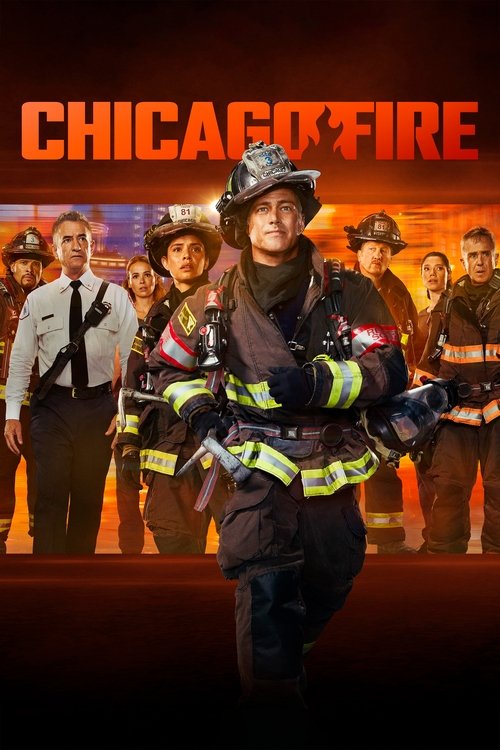
"Welcome home."
Chicago Fire - Symbolism & Philosophy
Symbols & Motifs
Molly's Bar
Symbolizes the sacred secular space where the characters shed their professional armor and find community.
Owned by Herrmann, Otis, and Dawson (and later others), it serves as the primary setting for off-duty interactions and significant life milestones across all seasons.
The Firehouse Kitchen Table
Represents the heart of the home and equality among the ranks.
Nearly every episode features a scene at this table, where hierarchy is briefly set aside for shared meals, banter, and heavy emotional confessions.
The 51 Patch
A symbol of identity and belonging to a specific elite legacy within the CFD.
Characters often touch or look at the patch when their loyalty is questioned or when they are facing a difficult career transition.
The GOAT (Truck 81 Logo)
Symbolizes unyielding grit and a fighting spirit.
The "Fighting Goat" of Truck 81 is frequently contrasted with the Cerberus of Squad 3, highlighting the friendly but fierce rivalry between the two companies.
Philosophical Questions
What is the true cost of a life saved?
The series repeatedly asks if the physical and mental destruction of the rescuer is a fair trade for the survival of the victim.
Can duty and personal happiness coexist?
Through the failed marriages and personal sacrifices of Casey, Severide, and Boden, the show explores the idea that absolute devotion to service often precludes a normal domestic life.
Core Meaning
The core meaning of Chicago Fire lies in the concept of sacrificial service and the indestructibility of the human bond. The creators use the volatile nature of fire as a metaphor for the unpredictable trials of life, suggesting that while trauma is inevitable, it can be survived through collective resilience. The series posits that true heroism isn't just found in the act of saving a life, but in the willingness to show up for one's "brothers and sisters" every day, regardless of personal cost. It serves as a tribute to the silent nobility of civil service and the idea that a firehouse is not just a workplace, but a sanctuary of shared morality.