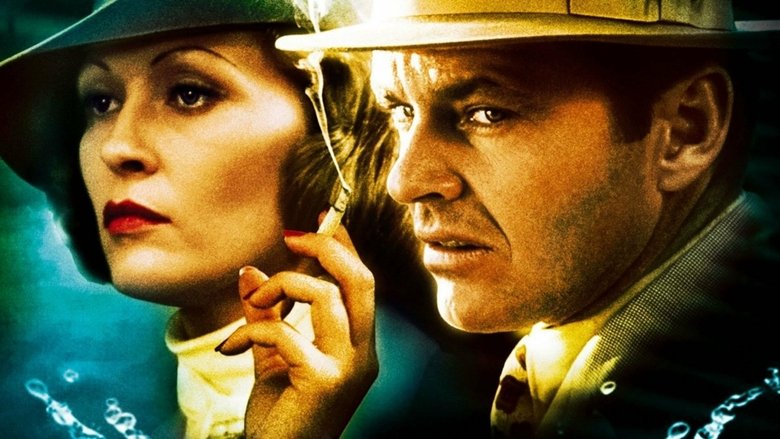
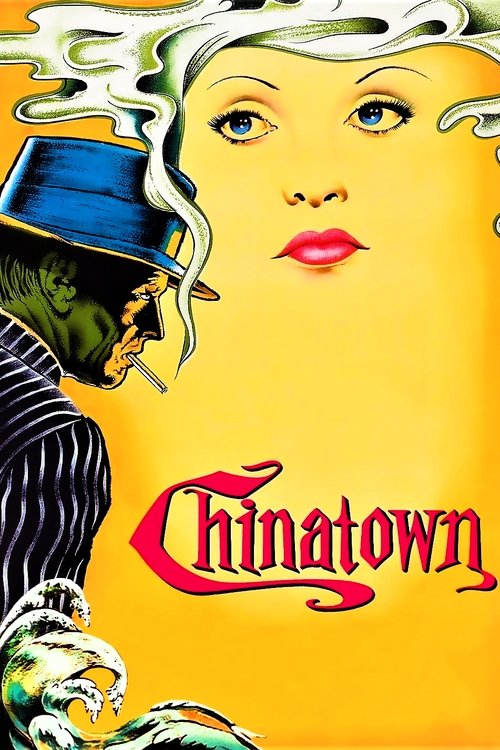
The central mystery of "Chinatown" unfolds into a two-pronged conspiracy of public corruption and private horror. Initially, Jake Gittes believes he is investigating a simple case of adultery involving Hollis Mulwray. The first major twist is the discovery that Hollis is not having an affair; the young woman he was seen with, Katherine, is in fact his wife Evelyn's sister. After Hollis is murdered, the investigation shifts to a massive conspiracy to steal water from Los Angeles, orchestrated by Evelyn's father, Noah Cross. Cross and his associates are buying up cheap farmland in the San Fernando Valley, knowing it will become valuable once a new dam and reservoir (which Hollis opposed) are built, channeling the stolen water to irrigate it.
The film's most shocking and famous twist reveals that the public and private conspiracies are horrifically intertwined. Gittes discovers that Katherine is not just Evelyn's sister, but also her daughter, the product of incestuous rape by Noah Cross when Evelyn was fifteen. This redefines the entire narrative: Hollis was murdered by Cross because he had discovered the incest and was trying to protect Katherine. Evelyn's mysterious behavior throughout the film was not a sign of her guilt, but of her desperate attempt to hide Katherine and escape her father's grasp. The bifocals Gittes found in the pond belonged to Cross, who drowned Hollis there.
The devastating ending sees all of Gittes's efforts backfire. He plans for Evelyn and Katherine to escape to Mexico from a safe house in Chinatown. However, he also arranges a final confrontation with Cross, tipping off the police in the hopes of exposing him. The plan goes horribly wrong. The police arrive in Chinatown, and as Evelyn tries to drive away, an officer shoots and kills her, the bullet going through her eye—a tragic echo of the film's theme of flawed vision. The final, gut-wrenching scene shows the monstrous Noah Cross, who will face no justice, comforting a hysterical Katherine and leading her away. Gittes is left powerless, and his partner's words, "Forget it, Jake. It's Chinatown," confirm that evil has won, and his attempt to do good only facilitated the tragedy.