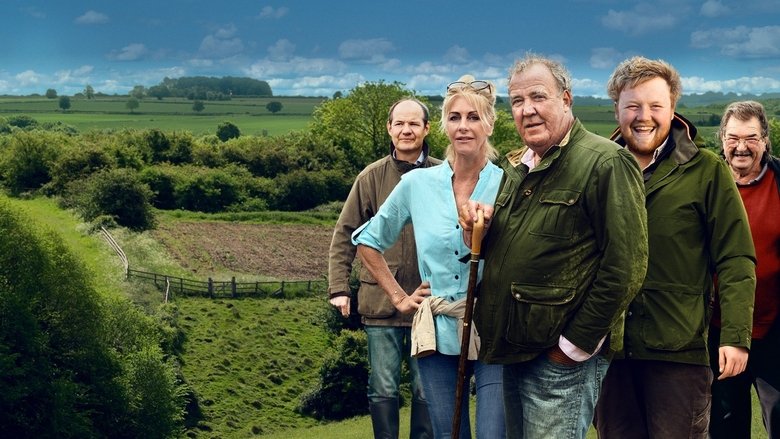
Across its seasons, "Clarkson's Farm" follows a series of ambitious but often disastrous ventures. In Season 1, Clarkson's initial foray into arable farming is a comedy of errors, defined by his purchase of an absurdly large Lamborghini tractor and his failure to grasp basic farming techniques, much to Kaleb Cooper's horror. The year culminates in a failed sheep-rearing business and a shocking net profit of only £144, establishing the show's core theme of farming's financial difficulty.
Season 2 sees Clarkson attempt to diversify by introducing cows and opening a restaurant in an old lambing barn to sell his farm's produce. This entire arc is defined by his protracted and ultimately unsuccessful legal battle with the West Oxfordshire District Council, who deny him planning permission. In a moment of defiance, he finds a loophole and manages to open the restaurant briefly, but it is served an enforcement notice and forced to shut down after the season airs. This failure has direct consequences in the next season.
Season 3 begins with the emotional fallout from the restaurant's closure; with no direct market for his beef, Clarkson is forced to sell most of his beloved cows, a genuinely upsetting moment for him and Lisa. The season's main focus is a year-long competition between Clarkson, who tries to make money from the non-arable, 'wild' parts of the farm (pigs, mushrooms, blackberries), and Kaleb, who sticks to traditional farming. This season contains some of the series' most emotional moments, including the heartbreaking deaths of a litter of piglets and a moving subplot about Gerald Cooper's successful battle with cancer. Ultimately, Clarkson wins the bet, proving that diversification is key, but the overall financial picture of the farm remains precarious. The series continues to show that despite small victories, the fundamental struggle for profitability is constant.