Cléo de 5 à 7
"The whole world... has made an appointment with..."
Cléo from 5 to 7 - Symbolism & Philosophy
Symbols & Motifs
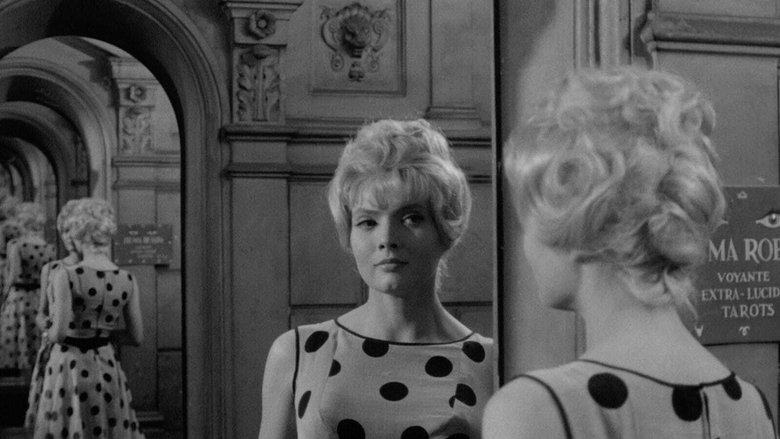
Mirrors and Reflections
Mirrors represent Cléo's vanity, her reliance on external validation, and her fragmented sense of self under the male gaze.
They appear constantly in the first half of the film. When a mirror shatters later on, it acts as an omen of death but also symbolizes the breaking of Cléo's superficial, image-obsessed persona.
The Tarot Cards
They symbolize fate, impending doom, and ultimately, a necessary metamorphosis.
Shown in the very first scene. The "Death" card terrifies Cléo, but the fortune teller secretly notes it signifies a profound transformation of her whole being.
Wigs and Clothing
These items represent the artificial masks and performative femininity Cléo uses to shield herself from reality.
Midway through the film, after an emotional rehearsal, Cléo strips off her glamorous wig and dons a simple black dress, marking her transition toward authenticity.
Clocks and Watches
They are manifestations of objective time and the unstoppable approach of Cléo's diagnosis.
Clocks are seen in cafes, streets, and apartments, relentlessly reminding Cléo and the audience of the impending 6:30 PM deadline.
Philosophical Questions
Does the awareness of death give life its meaning?
The film explores how the looming threat of cancer strips away Cléo's superficial concerns. It posits that only by acknowledging our mortality can we stop performing and start genuinely living.
What is the difference between being looked at and truly being seen?
Cléo spends her life being stared at as an object of beauty. The film questions the value of the 'gaze' by showing that Cléo only finds comfort when Antoine truly listens to her and sees her humanity, rather than just her physical form.
Can true authenticity exist in a society obsessed with image?
Varda uses mirrors, wigs, and pop-culture fame to explore how society traps individuals (especially women) in roles. Cléo's journey suggests that authenticity requires a deliberate, often painful severing of these societal expectations.
Core Meaning
Agnès Varda's masterpiece is a profound exploration of existentialism, mortality, and the female identity. At its core, the film critiques the objectification of women in a patriarchal society, illustrating how a woman is conditioned to view herself exclusively through the male gaze. Varda uses Cléo's health crisis as a catalyst for an existential awakening, forcing her to confront the superficiality of her life.
The director intended to show the journey from being an "object" to becoming a "subject." Initially, Cléo defines her existence entirely by her beauty and how others perceive her. By the film's conclusion, she breaks free from this performative femininity. The underlying message is that an authentic life requires shedding societal masks, embracing vulnerability, and finding true meaning through genuine human connections rather than superficial admiration.