کلوزآپ ، نمای نزدیک
"A real-life situation based on a real incident in actual locations with actual people involved"
Close-Up - Symbolism & Philosophy
Symbols & Motifs
The Aerosol Can
The rolling aerosol can symbolizes chance, aimlessness, and the unexpected poetry that can be found in mundane moments. It represents a deviation from the main narrative and a focus on the peripheral, a characteristic of Kiarostami's style. It also highlights the contrast between passive observation and active intervention, as the taxi driver gently nudges it while the journalist later gives it a firm kick.
In the opening scene, after the journalist and police enter the Ahankhah house, the camera remains outside with the taxi driver. He idly kicks an empty aerosol can, which then rolls down the street in a long, contemplative shot.
Flowers
The flowers symbolize forgiveness, reconciliation, and the possibility of finding beauty in unexpected places. They represent a gesture of peace and an attempt to mend the breach of trust between Sabzian and the Ahankhah family.
The motif appears early when the taxi driver picks a bouquet of flowers from a pile of refuse. It reappears powerfully at the end of the film when the real Mohsen Makhmalbaf and Hossain Sabzian buy a pot of flowers to bring to the Ahankhah family's home as a peace offering.
The Motorcycle
The motorcycle ride at the end of the film signifies a journey towards resolution and a union between the admirer and the idol, fiction and reality. It represents a form of liberation and forward movement for Sabzian, both literally and emotionally.
In the final sequence, the real Mohsen Makhmalbaf gives Hossain Sabzian a ride on his motorcycle to the Ahankhah family's house. This is a highly emotional and cathartic scene for Sabzian, who is overwhelmed to be in the presence of his hero.
Philosophical Questions
What is the nature of truth and reality?
The film fundamentally questions whether there is a single, objective truth. By blending actual trial footage with reenactments, and by showing how the presence of the camera influences events, Kiarostami suggests that reality is subjective and constructed. It asks whether Sabzian's emotional truth—his deep love for art—is any less valid than the legal fact of his deception. The film forces the viewer to constantly question what is real and what is performed, ultimately suggesting that life itself is a form of performance.
How does art shape our identity and our perception of the world?
"Close-Up" explores the profound impact of art on identity. Hossain Sabzian's identity is so intertwined with his love for cinema that he literally becomes the filmmaker he admires. The film examines whether art is merely an escape from reality or if it can become a more potent and meaningful reality in itself. It raises questions about our own relationship with art and how the stories we consume shape our understanding of ourselves and our place in the world.
To what extent are our lives determined by social class?
The film subtly probes the ways in which social and economic status define a person's life and opportunities. Sabzian's impersonation is a direct response to the powerlessness and invisibility he feels as a poor man. The film asks whether we can truly be ourselves in a society that judges us based on our wealth and status, and whether it is possible to transcend these limitations. It questions the inherent injustices of a class-based society and the human desire to be judged on character rather than circumstance.
Core Meaning
The core meaning of "Close-Up" revolves around the complex interplay between identity, art, and reality. Director Abbas Kiarostami explores the profound human need for recognition and respect, and how cinema can offer an escape and a sense of self-worth to those who feel marginalized by society. The film delves into the idea that art, particularly cinema, can be more real and meaningful than everyday life for some individuals.
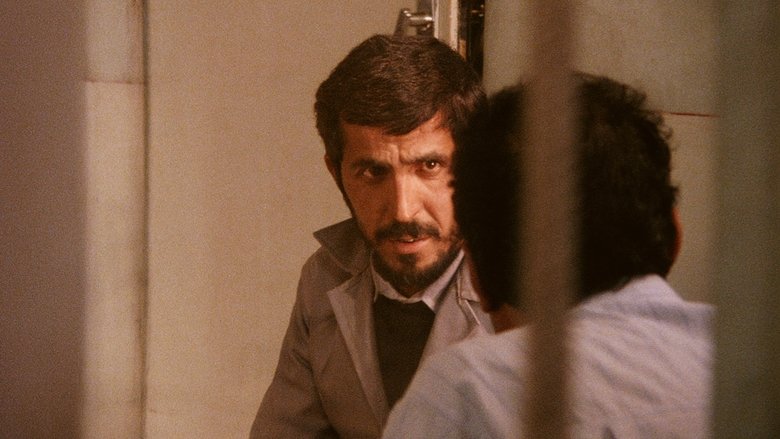
Kiarostami doesn't present Hossain Sabzian as a simple con man but as a sympathetic figure whose actions stem from a deep love for film and a desire to be seen as more than his social standing allows. The film questions the very nature of truth, suggesting that subjective, emotional truth can be as valid as objective fact. Through its innovative docu-fiction style, "Close-Up" ultimately posits that we are all, in a sense, performers in our own lives, and that compassion and understanding are more important than rigid judgments of right and wrong.