The film's pivotal twist is the suicide of Rémi, which occurs off-screen. This narrative choice centers the story not on the act itself, but on Léo's subjective experience of the aftermath. The 'hidden' meaning of the film's title, Close, takes on a haunting weight after the tragedy: Léo was so close to Rémi that he felt he was part of him, and thus, he feels he is the primary cause of his death. The ending, where Léo runs through the woods and finally confesses to Sophie, is not a 'happy' ending but a necessary rupture. Only by naming his guilt and allowing himself to be 'broken' (symbolized by the cast) can he eventually start to heal. The final shot of Léo looking back at the fields suggests that while the bond is gone, the memory of it will now be carried with peace rather than terror.
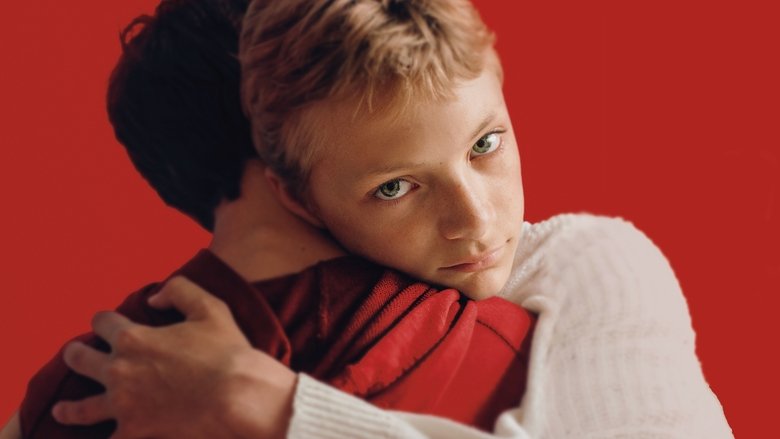
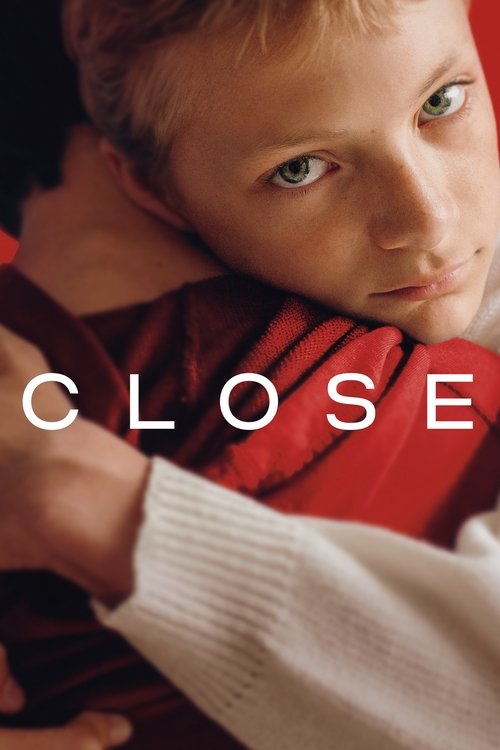
Director: Lukas Dhont
Cast: Eden Dambrine, Gustav De Waele, Émilie Dequenne, Léa Drucker, Igor van Dessel
Close — Ending Explained
⚠️ Spoiler Analysis
Alternative Interpretations
Audience interpretations of Close often fall into two distinct camps. The Queer Reading suggests that the boys were experiencing an early, unspoken romantic attraction, and the tragedy stems from the violent suppression of that identity. In this view, Rémi's despair is a direct result of being 'closeted' by Léo's rejection. Conversely, the Universal Friendship Reading argues that the film is about the 'murder' of platonic intimacy. This perspective suggests that by making the story about sexuality, we are falling into the same trap as the bullies in the film—refusing to allow boys to have a deep, non-sexual physical bond. Director Lukas Dhont has stated that both readings are valid, as the film is ultimately about the fear of the label rather than the label itself.
Explore More About This Movie
Dive deeper into specific aspects of the movie with our detailed analysis pages