Close - Symbolism & Philosophy
Symbols & Motifs
The Flower Fields (Dahlias)
Symbolizes the transience of beauty and the fragility of the boys' friendship. The way the flowers are harvested—mechanically and efficiently—mirrors the systematic way society cuts down the intimacy between boys.
Used as the primary setting for the boys' play during the summer. Later, Léo is seen working in the fields alone, highlighting his isolation.
Ice Hockey
Represents performative masculinity and emotional armor. The heavy equipment, the violence of the sport, and the physical distance between players contrast with the soft, tactile closeness Léo once shared with Rémi.
Léo joins the team specifically to prove his "manhood" and distance himself from the accusations of being "gay."
The Red Bedroom
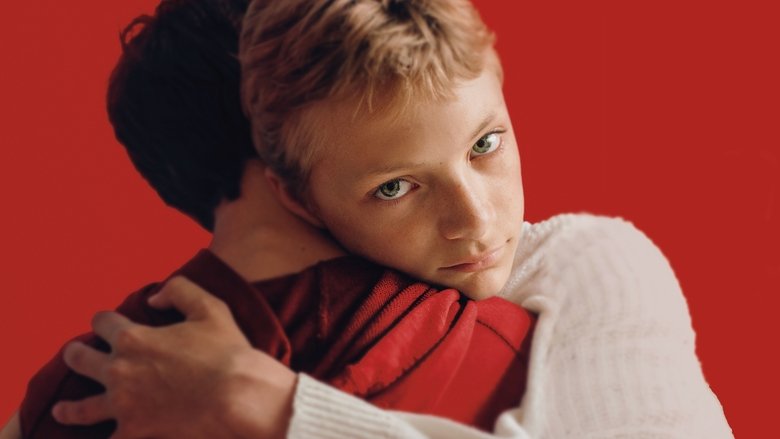
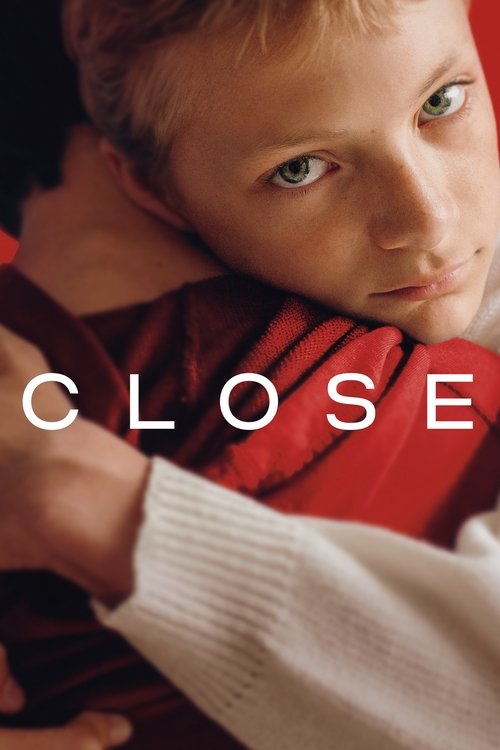
Symbolizes the safe space of the boys' initial intimacy. Red often denotes passion, but here it represents the warmth and intensity of a visceral, pre-verbal connection.
The color shifts in tone throughout the film; initially warm and inviting, it later becomes haunting as Léo returns to the room after Rémi's death.
The Wrist Cast
A physical manifestation of internal fracture. The cast protects a broken bone, just as Léo's stoic exterior protects his shattered psyche.
Léo breaks his wrist during hockey practice. The removal of the cast at the end of the film parallels his first steps toward emotional healing and confession.
Philosophical Questions
Can childhood innocence exist in a world that demands labels?
The film suggests that the 'naming' of a relationship can sometimes be its destruction. By forcing a definition on Léo and Rémi's bond, the school environment strips away the organic, fluid nature of their love.
To what extent are we responsible for the actions of others in response to our own self-protection?
Léo's decision to distance himself was a survival tactic, yet it had fatal consequences for Rémi. The film explores the agonizing intersection of individual self-preservation and communal responsibility.
Core Meaning
The core of the film is a profound critique of gender policing and the "epidemic of loneliness" among young men. Director Lukas Dhont explores how society systematically dismantles the emotional literacy of boys, teaching them that intimacy and vulnerability are weaknesses or signs of an identity they must fear. Through the tragedy of Léo and Rémi, the film argues that the enforcement of heteronormative standards robs children of their capacity for deep connection, suggesting that the true tragedy isn't the presence of a specific label, but the loss of the freedom to love without one.