The series concludes with a major emotional and professional payoff: the Cuervos win the Liga MX championship, fulfilling their father's dream but on their own terms. Major twists include the discovery that Mary Luz was a professional con artist who had been involved in a murder in Argentina, though she eventually helps the siblings against a greater enemy. In a shocking revelation in the finale, it is revealed that Hugo Sánchez was never actually on the payroll for the entire four seasons, serving solely out of devotion. Chava eventually realizes that his true path lies outside of football and his father's shadow, moving to the US to work in sustainable fashion, while Isabel becomes the sole, undisputed president of the team, finally breaking the gender barrier she fought against from day one.

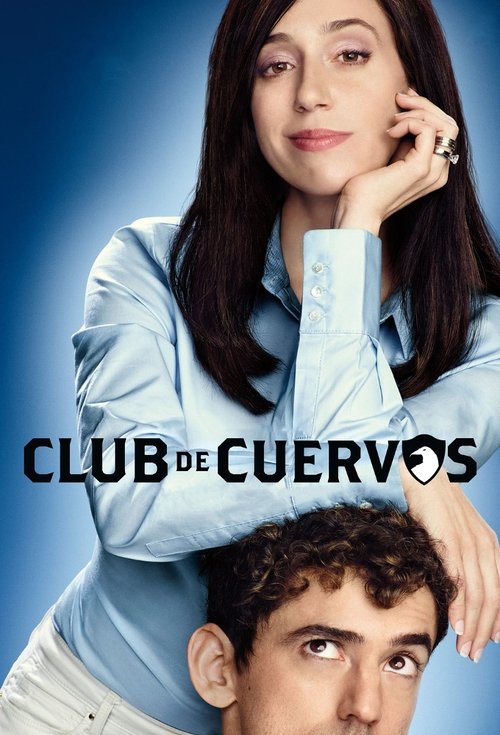
Cast: Luis Gerardo Méndez, Mariana Treviño, Jesús Zavala, Antonio de la Vega, Said Sandoval
Club de Cuervos — Ending Explained
⚠️ Spoiler Analysis
Alternative Interpretations
Some critics have interpreted Club de Cuervos as a political allegory for Mexico itself: a country with immense passion and potential that is constantly held back by its own corrupt leadership and internal squabbles between the old guard (Isabel/Tradition) and the reckless new elite (Chava/Modernity). Another reading suggests the siblings are two halves of the same soul—Isabel representing the repressed, disciplined superego and Chava the impulsive, pleasure-seeking id—and the story is about their integration into a whole, functional personality. A more cynical interpretation posits that despite their growth, the siblings ultimately remain within the same elite circle, suggesting that true systemic change is impossible in a world built on dynasties.
Explore More About This Movie
Dive deeper into specific aspects of the movie with our detailed analysis pages