Boże Ciało
"Sinner. Preacher. A Mystery."
Corpus Christi - Symbolism & Philosophy
Symbols & Motifs
The Stolen Clerical Collar
It symbolizes unearned authority and the rigid barrier between the sacred and the profane. Ironically, it becomes a tool of deception that allows Daniel to fulfill his true, innate calling.
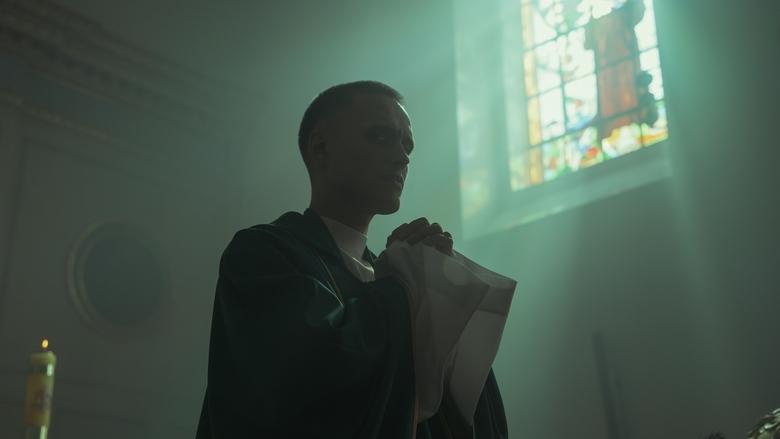
Daniel steals the collar from his juvie priest and wears it to a village church, instantly transforming how society views and respects him, despite his unchanged inner turmoil.
The Town Memorial Shrine
It represents the town's paralyzed state of mourning and their localized, convenient hatred. It is a monument to their refusal to forgive and move on.
The townspeople gather at this makeshift shrine constantly, but use it to exclude the widow of the driver they blame, turning a site of prayer into a site of exclusion.
Smoke and Smoking
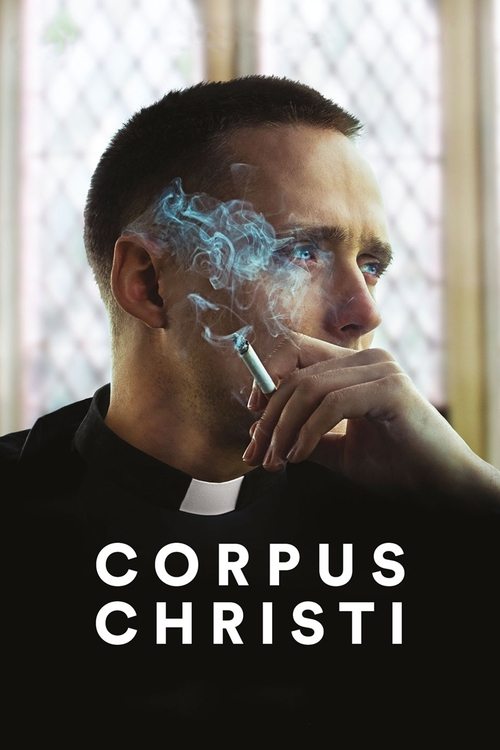
It symbolizes the bridging of Daniel's gritty, worldly habits with his ethereal, spiritual aspirations, grounding the divine in a gritty, lower-class reality.
Daniel constantly smokes, even while wearing his sacred vestments or preparing for mass, visually clashing with the traditional image of a pure clergyman.
Scarred Flesh and Tattoos
Daniel's hidden tattoos represent his inescapable violent past and the raw, imperfect Body of Christ (the literal translation of the film's title). Revealing them is an act of ultimate vulnerability and truth.
In his final, wordless sermon, Daniel strips off his priestly robes to reveal his scarred, tattooed chest to the congregation before walking away.
Philosophical Questions
Can a lie be a vessel for spiritual truth?
Daniel's entire priesthood is built on fraud and deception. Yet, the emotional healing, comfort, and moral awakening he brings to the traumatized town are undeniably real. The film asks if the validity of the messenger matters if the message itself bears positive fruit.
Who holds the authority to administer grace?
The film challenges the institutional idea that only ordained, 'pure' individuals can channel the divine. It boldly portrays a convicted murderer acting as a more effective and empathetic conduit for God's love than the established, legally recognized church hierarchy.
Are there limits to human forgiveness?
The film tests the absolute boundaries of Christian teachings by asking whether a community can truly forgive the person they blame for their ultimate tragedy. Simultaneously, it asks whether society can ever forgive Daniel for his violent past, pointing out the hypocrisy in both arenas.
Core Meaning
The core meaning of Corpus Christi is an intense interrogation of institutional religion versus genuine spiritual connection. Director Jan Komasa suggests that true grace and healing often come from the most broken, flawed individuals rather than rigid, dogmatic institutions.
The film boldly posits that a lie can sometimes be the vessel for a profound truth. It strips away the performative piety of the churchgoing community to expose their inability to practice core Christian values—specifically forgiveness and love for one's enemies. Ultimately, the director argues that real spiritual transformation requires the courage to face pain directly, shed our masks, and abandon the scapegoats we use to justify our own hatred.