
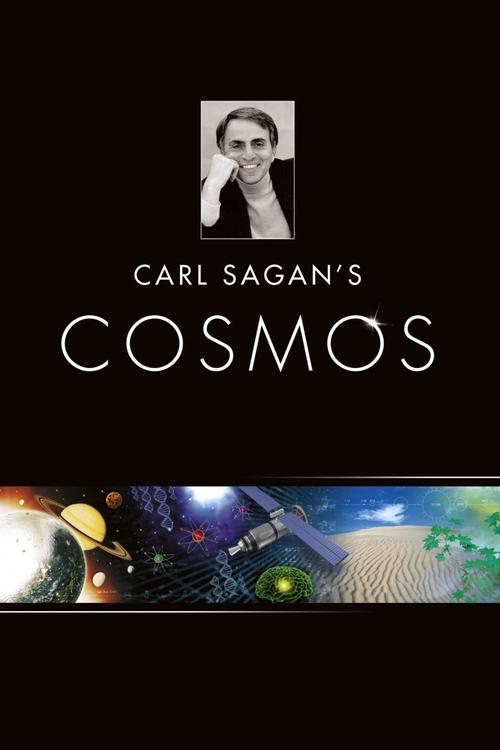
As a documentary series, "Cosmos" does not have plot twists in the traditional sense, but it does guide the viewer through a series of profound scientific revelations that function as the narrative's key turning points. The ultimate "spoiler" of the series is the cohesive worldview it constructs: the Copernican principle writ large, where nothing about humanity is truly central or special. The journey reveals that Earth is not the center of the universe, but a tiny, fragile world in a vast cosmic ocean. The series systematically demonstrates that the stars are not mystical points of light but distant suns, and that the universe is governed by impersonal physical laws.
A major revelation built across the episodes is that of cosmic evolution. The series culminates in the understanding that everything—from galaxies and stars to life and human consciousness—is the result of a long, unbroken chain of evolutionary processes. The final episodes reveal the ultimate stakes of this journey: humanity, having achieved self-awareness through this process, has also developed the capacity for self-destruction through nuclear weapons. The finale, "Who Speaks for Earth?", reveals that the entire cosmic voyage has been leading to a moral and ethical crossroads. The hidden meaning, clear only after completing the 13-hour journey, is that scientific literacy is not merely an intellectual pursuit but a prerequisite for human survival. The knowledge of our cosmic insignificance and our shared evolutionary heritage is presented as the only perspective that can unite our species to overcome its self-made perils.