Viskningar och rop
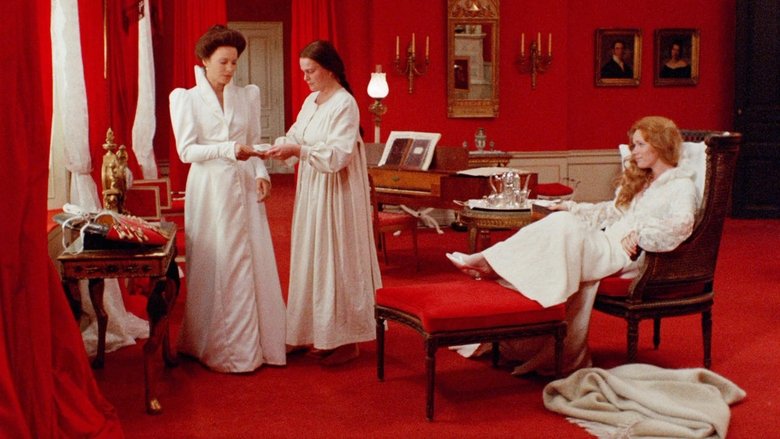
"Four women dressed in white in a mansion painted red... haunted by whispers and cries."
Director: Ingmar Bergman
Cast: Liv Ullmann, Ingrid Thulin, Kari Sylwan, Harriet Andersson, Erland Josephson
Cries and Whispers — Movie Quotes
Memorable Quotes
Come what may, this is happiness. I cannot wish for anything better. Now, for a few minutes, I can experience perfection. And I feel profoundly grateful to my life, which gives me so much.
Context
Anna reads this entry from Agnes's diary after the sisters have departed. The quote accompanies a flashback to a beautiful autumn day when the four women were together in the garden, a rare moment of peace and togetherness.
Meaning
This quote, which concludes the film, offers a surprising and deeply moving perspective. Despite the immense suffering depicted, it suggests that moments of simple, shared happiness and connection are the ultimate meaning of life. It provides a glimmer of hope and grace amidst the bleakness, reframing the entire narrative.
Pray for us who are left here on the dark, dirty earth under an empty and cruel Heaven.
Context
The priest says this during a eulogy at Agnes's wake. His emotional plea reveals his own crisis of faith and the inability of religious doctrine to adequately address the profound reality of suffering.
Meaning
This line encapsulates the film's existential dread and its questioning of faith. The priest, a supposed spiritual guide, expresses his own doubt and despair, asking the dead Agnes to intercede for the living. It highlights a central theme of God's silence and the struggle to find meaning in a seemingly indifferent universe.
Do you realize I hate you? I know of what you're made - with your empty caresses and your false laughter. Can you conceive how anyone can live with so much hate as has been my burden?
Context
Karin says this to Maria during a tense confrontation after an earlier, failed attempt at reconciliation. It is a key moment that lays bare the years of resentment and emotional distance between them.
Meaning
This outburst reveals the depth of Karin's long-repressed bitterness and her contempt for Maria's superficiality. It is a moment of raw, brutal honesty that shatters the fragile pretense of sisterly affection, exposing the toxic undercurrents of their relationship.
Explore More About This Movie
Dive deeper into specific aspects of the movie with our detailed analysis pages