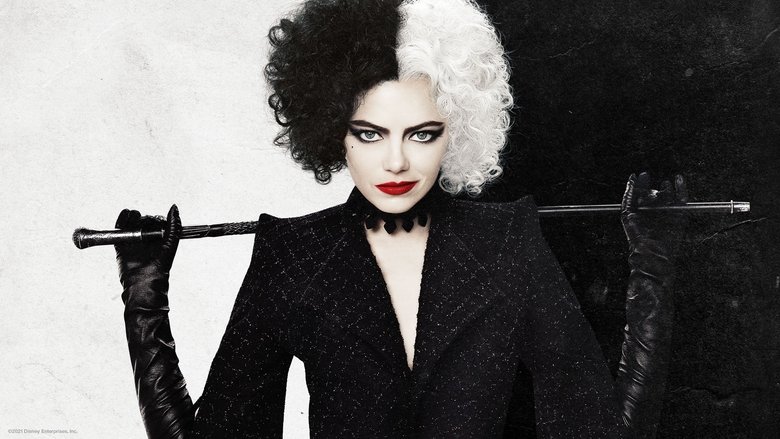
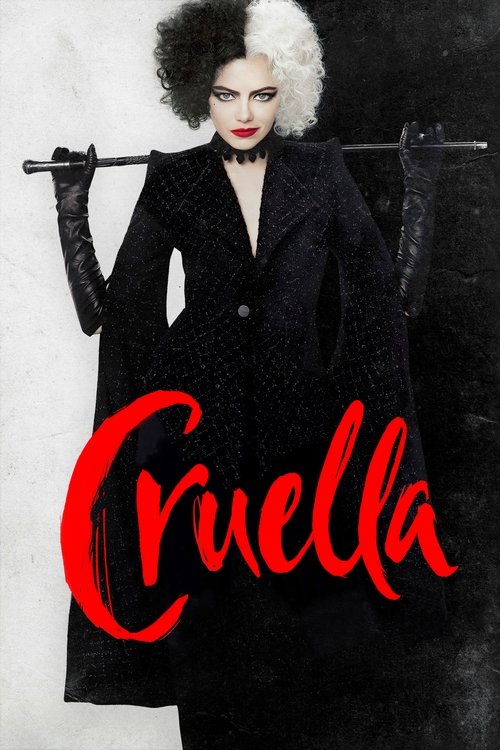
The central twist of "Cruella" is the revelation of Estella's true parentage. Throughout the film, Estella believes the Baroness von Hellman is responsible for her mother Catherine's death, having seen the Baroness's Dalmatians push Catherine off a cliff. However, the Baroness's valet, John, reveals the truth: the Baroness is Estella's biological mother. As an infant, the Baroness ordered John to dispose of the baby so she could focus on her career and secure her husband's inheritance. John, unable to do it, gave the baby to one of the maids, Catherine, who raised Estella as her own. The necklace Estella cherishes was a family heirloom the Baroness wanted back, and Catherine's death was an accident during the confrontation—the Baroness used a dog whistle, causing the Dalmatians to charge and inadvertently push Catherine over the edge.
This revelation re-contextualizes Cruella's entire motivation. Her revenge is no longer just for her adoptive mother but also against the woman who birthed and discarded her. The climax involves Cruella orchestrating an elaborate plan to fake her own death at the hands of the Baroness. At a grand ball, she appears as Estella and confronts the Baroness on the same balcony. Knowing the guests are secretly watching, she provokes the Baroness into pushing her off the cliff. Cruella survives using a hidden parachute dress, while the Baroness is arrested for the murder of Estella. Having willed her inheritance to her 'friend' Cruella before her 'death,' she legally takes possession of the Baroness's entire estate, including Hellman Hall, which she renames Hell Hall. She fully embraces the Cruella persona, having symbolically killed off the weaker Estella. The post-credits scene directly sets up "101 Dalmatians," showing Cruella sending two Dalmatian puppies, Pongo and Perdita, as gifts to Roger and Anita, respectively, implying her story is just beginning.