サイバーパンク: エッジランナーズ
"Just keep running."
Cyberpunk: Edgerunners - Symbolism & Philosophy
Symbols & Motifs
The Moon
The Moon represents an unattainable paradise, a symbol of escape, freedom, and a life beyond the suffocating confines of Night City. It is a dream of peace and purity, a direct contrast to the grime, violence, and corruption on Earth. For Lucy, it is her ultimate life goal and personal heaven.
Lucy frequently shares her dream of visiting the moon with David, showing him a braindance of a lunar tour. This dream becomes David's primary motivation; his promise to take her there drives him to take on increasingly dangerous jobs. The series ends with Lucy finally on the moon, but her dream is rendered tragic and empty by David's absence, symbolizing that the dream was not about the place itself, but about the hope of sharing a future with him.
Arasaka Tower
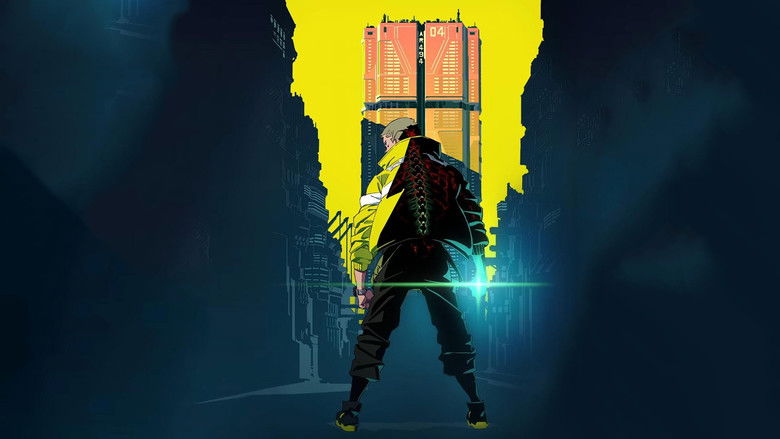
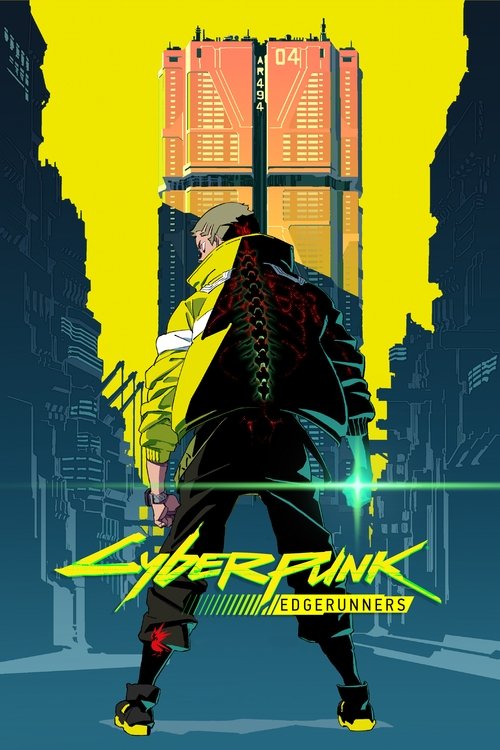
Arasaka Tower symbolizes the pinnacle of corporate power and the corrupt, unattainable dream of success within the capitalist system. It represents a social and economic peak that characters from the street, like David, are meant to aspire to but are ultimately excluded from.
David's mother, Gloria, sacrifices everything in the hope that David will one day climb the corporate ladder and reach the top of Arasaka Tower. Poetically and tragically, David does reach the top of the tower, but not as a corporate employee as his mother dreamed, but as a cyberpsycho in a final, doomed assault against the corporation. His arrival is a violent perversion of his mother's dream, symbolizing the impossibility of succeeding within the system on its own terms.
The Sandevistan
The Sandevistan, a piece of military-grade cyberware that grants superhuman speed, symbolizes David's perceived "specialness" and his potential, but also the dangerous and addictive nature of power in Night City. It is the catalyst for his entire journey as an edgerunner.
After his mother's death, David has the stolen Sandevistan implanted, discovering he can handle it better than anyone. This sets him on his path, giving him the power to survive and thrive in the underworld. However, his reliance on it and other cyberware grows, representing his increasing departure from his own humanity. It is both the source of his strength and the instrument of his downfall.
Philosophical Questions
What does it mean to be human in a world where the body is infinitely upgradeable?
The series constantly explores the boundary between humanity and technology. Characters replace their organic parts with powerful chrome, gaining strength at the cost of their sanity and empathy. The concept of "cyberpsychosis" is the ultimate expression of this conflict, where the mind can no longer handle the disconnect from its original, biological form. David's journey is a microcosm of this question. He feels "better in metal than in his own skin," but this pursuit of a post-human existence leads directly to his dehumanization and death. The show suggests that humanity may not be defined by the physical form, but by connections, dreams, and love, all of which are threatened by the very technology characters use to survive.
Can true love and connection exist in a completely commodified, hyper-capitalist world?
"Edgerunners" sets the genuine, heartfelt love between David and Lucy against the backdrop of Night City, a place where everything and everyone has a price. Their relationship is a rebellion against the city's inherent cynicism. However, the world constantly seeks to corrupt or destroy their bond. Lucy's past trauma and David's dangerous job create secrets and distance between them. Ultimately, the very system they live in is what tears them apart. David dies to save Lucy from a corporate plot, and Lucy is left alone in her dream world. The series seems to ask whether their love was a true victory or just a beautiful, fleeting tragedy, suggesting that while such connections are possible, the system is designed to make them unsustainable.
Is it nobler to die a legend or survive as a nobody?
This is a central dilemma of the edgerunner ethos. Lucy warns David that cyberpunks are remembered for how they die. David ultimately chooses the path of the legend, sacrificing himself in a blaze of glory to save the person he loves, and he is immortalized with a drink at the Afterlife bar. In contrast, characters like Lucy and Falco choose survival, fading back into the anonymity of Night City. The series doesn't provide a clear answer on which path is better. David's death is both tragic and meaningful, while Lucy's survival is tinged with the profound sadness of loss. It leaves the viewer to contemplate whether a short, impactful life is worth more than a long one lived in the shadows of a brutal world.
Core Meaning
The core message of "Cyberpunk: Edgerunners" is a tragic critique of the illusion of upward mobility within a ruthless capitalist system. It posits that in a world like Night City, the promise that you can be "special" or "built different" is a lie designed to exploit ambition until there is nothing left. David's entire journey is a frantic attempt to fulfill the dreams of others—his mother's dream for him to reach the top of Arasaka Tower, Maine's dream of leading a legendary crew, and Lucy's dream of escaping to the Moon. In doing so, he loses himself, sacrificing his body and mind for goals that were never his own. The series argues that the system is rigged; it chews up and spits out even the most promising individuals, turning them into legends only by how they die, not how they live. Ultimately, it's a cautionary tale about the loss of self and humanity in a society that commodifies dreams and bodies, suggesting that the only true rebellion is to find personal connection and meaning, even if it's fleeting.