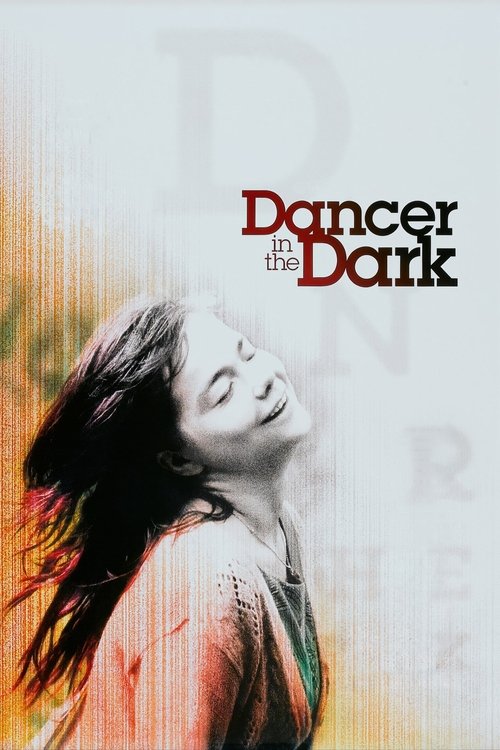
Dancer in the Dark
A heart-wrenching musical tragedy that juxtaposes the grim reality of a factory worker's fading sight with her vibrant, escapist musical daydreams.
Dancer in the Dark
Dancer in the Dark

"In a world of shadows, she found the light of life."

01 September 2000 Denmark 140 min ⭐ 7.9 (1,906)
Director: Lars von Trier
Cast: Björk, Catherine Deneuve, David Morse, Peter Stormare, Joel Grey
Drama Crime
Sacrifice and Maternal Love The Illusory American Dream Escapism and the Power of Imagination Injustice and the Death Penalty
Budget: $12,500,000
Box Office: $40,061,153

Dancer in the Dark - Ending Explained

⚠️ Spoiler Analysis

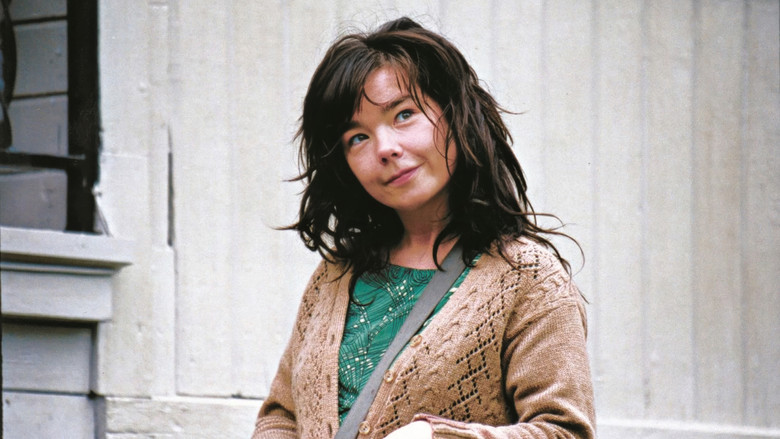
The plot of "Dancer in the Dark" takes a tragic turn when Selma's landlord, Bill, who she has confided in about her savings, steals her money. When Selma confronts him, a struggle ensues, and Bill, in a moment of despair, begs her to kill him. Selma, with her poor eyesight, accidentally shoots him and, at his insistence, ultimately beats him to death to retrieve her money. She is arrested and put on trial for murder. In court, Selma refuses to reveal the full truth of what happened, as she had promised Bill she would keep his financial troubles a secret. This, combined with her seemingly emotionless demeanor (a result of her internal escape into music), leads to her being convicted and sentenced to death.

In prison, Selma's friends, Kathy and Jeff, discover the truth and recover her money. They use it to hire a lawyer who believes he can get her a new trial. However, Selma refuses his help when she learns that his fee is the same amount as the money she has saved for her son's operation. She chooses to sacrifice her own life to ensure her son will be able to see. The film's devastating climax shows Selma being led to the gallows. She is terrified but begins to sing to herself to find courage. Just before she is hanged, Kathy rushes in to tell her that the operation was a success and that Gene will be able to see. Selma is hanged before she can finish her final song, and the film ends abruptly.

Alternative Interpretations

One alternative interpretation of "Dancer in the Dark" is that it is a religious allegory, with Selma as a Christ-like figure who sacrifices herself for the salvation of another. Her unwavering faith in the good of others, despite their betrayals, and her ultimate martyrdom can be seen as a modern-day passion play. Another interpretation is that the film is a self-portrait of the director, Lars von Trier. Von Trier has stated that the suffering female protagonists in his "Golden Heart Trilogy" are, in fact, self-portraits, representing his own struggles and repressed emotions.

Some critics have also viewed the film as a critique of American society and its values. The film's portrayal of the American Dream as a cruel illusion, and its indictment of the justice system, can be read as a commentary on the dark side of American culture. Additionally, the film can be interpreted as a meta-commentary on the nature of cinema itself, with Selma's love of musicals representing the audience's desire for escapism and the film's tragic ending serving as a brutal reminder of the limitations of art in the face of real-world suffering.