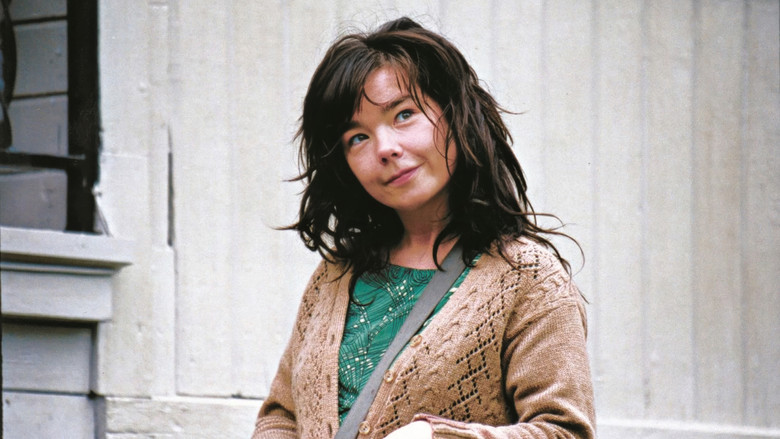
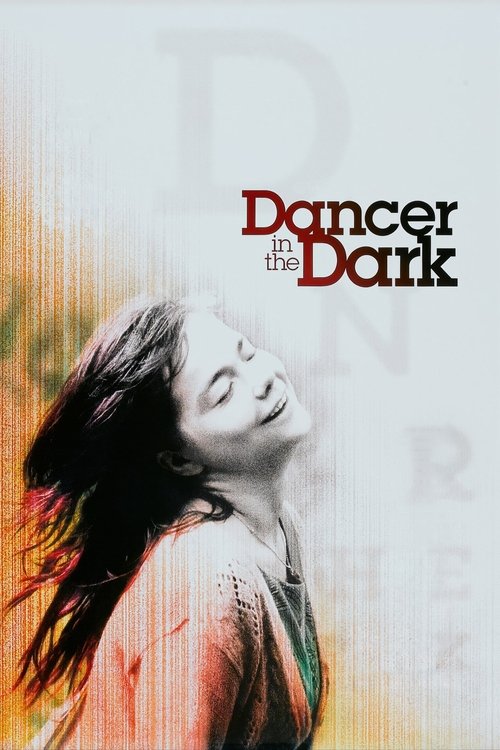
"In a world of shadows, she found the light of life."
Dancer in the Dark - Symbolism & Philosophy
Symbols & Motifs
Musicals
The musicals symbolize Selma's hope, innocence, and her idealized view of the world. They represent a reality where "nothing dreadful ever happens," a stark contrast to her own tragic life. They are her escape from the pain and hardship she faces daily.
Selma's love for musicals is evident in her participation in a local production of "The Sound of Music" and her frequent daydreams where she envisions her life as a musical. These musical sequences are visually distinct, with vibrant colors and multiple camera angles, contrasting with the bleak, handheld style of the rest of the film.
Blindness
Selma's progressive blindness symbolizes her vulnerability, her trust in others, and her detachment from the harsh realities of the world. It also represents her unwavering focus on her son's future, as she is willing to sacrifice her own sight (and ultimately her life) for his. Metaphorically, her blindness can be seen as an inability to see the evil and betrayal that surrounds her.
Selma's deteriorating vision is a central plot point, driving her to work tirelessly to save money for her son's operation. She tries to hide her condition from her employer and friends, leading to several accidents at the factory. Her blindness is also what makes her vulnerable to Bill's deception and theft.
The Final Song
The abrupt end to Selma's final song before her execution symbolizes the ultimate triumph of a cruel reality over the power of imagination and art. It is a devastating moment that underscores the film's tragic message that in the end, there is no escape from suffering.
As Selma is on the gallows, she begins to sing "Next to Last Song" to comfort herself. However, she is hanged before she can finish the final verse, leaving the audience in stunned silence. This sudden and brutal end to her song is a powerful and unforgettable cinematic moment.
Philosophical Questions
What is the nature of good and evil, and can pure goodness survive in a corrupt world?
The film explores this question through the character of Selma, who embodies innocence and selflessness. She is a "golden-hearted" character who is ultimately destroyed by the greed and selfishness of those around her. The film seems to suggest that pure goodness is a vulnerability in a world that is often cruel and unjust.
Is the death penalty a just and moral form of punishment?
"Dancer in the Dark" is a powerful anti-death penalty statement. The film portrays Selma's execution as a barbaric and senseless act of violence. By showing the immense suffering of a character who is, in many ways, an innocent victim, the film forces the audience to confront the ethical implications of capital punishment.
What is the relationship between art and reality, and can art provide a meaningful escape from suffering?
Selma's musical daydreams are her only escape from her grim reality. The film explores the power of art to provide solace and hope in the face of adversity. However, the tragic ending suggests that art's ability to transcend suffering is ultimately limited, and that reality will always, in the end, assert its brutal force.
Core Meaning
The core meaning of "Dancer in the Dark" revolves around the immense power of a mother's selfless love and the extreme sacrifices she is willing to make for her child. The film explores the harsh realities of the American Dream, particularly for an immigrant, and critiques the injustices of the American legal and penal systems. Director Lars von Trier uses the film to deconstruct the traditional Hollywood musical, subverting its inherent optimism to tell a story of profound tragedy. Ultimately, the film poses questions about the nature of good and evil, the morality of the death penalty, and the human capacity to find beauty and hope in the bleakest of circumstances through the power of imagination.