"Inside everyone is a frontier waiting to be discovered."
Dances with Wolves - Symbolism & Philosophy
Symbols & Motifs
The Wolf (Two Socks)
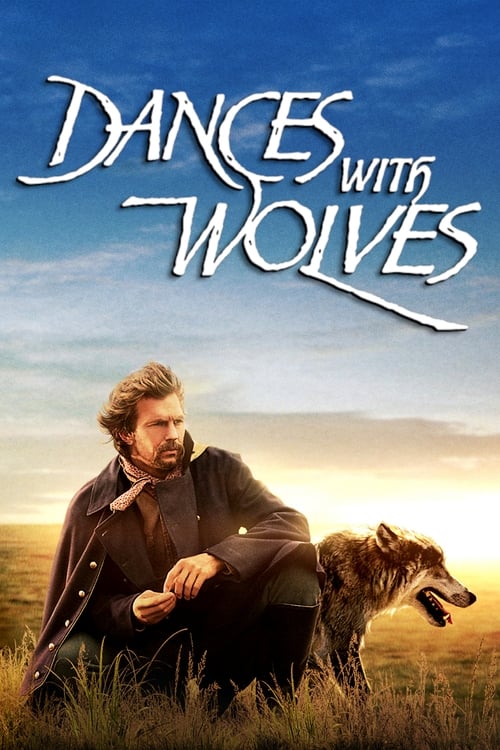
Two Socks symbolizes the wild, untamed spirit of the frontier that Dunbar comes to embrace. The wolf's cautious but eventual friendship with Dunbar mirrors the relationship Dunbar develops with the Lakota people. The tragic, senseless killing of Two Socks by U.S. soldiers represents the brutal destruction of the natural world and the Lakota way of life by the encroaching white civilization.
Dunbar first encounters the wolf during his solitary time at Fort Sedgwick. Their playful interactions lead to the Lakota giving him the name "Dances With Wolves." The wolf follows Dunbar's convoy when he is arrested, and the soldiers shoot it with contemptuous ease, highlighting their disconnect from nature.
Dunbar's Journal
The journal represents Dunbar's connection to his old world and the objective, observational stance he initially takes. As he becomes more integrated with the Sioux, the journal becomes a dangerous liability—a map that could lead the army directly to his new family. His decision to retrieve it, which leads to his capture, symbolizes his attempt to sever his past and protect the future of the Lakota.
Dunbar regularly records his thoughts and observations about the prairie and the Lakota people. Near the end of the film, realizing the U.S. Army will eventually find the fort, he risks his life to go back and retrieve the journal to prevent it from falling into the wrong hands.
The American Flag (Stars and Stripes)
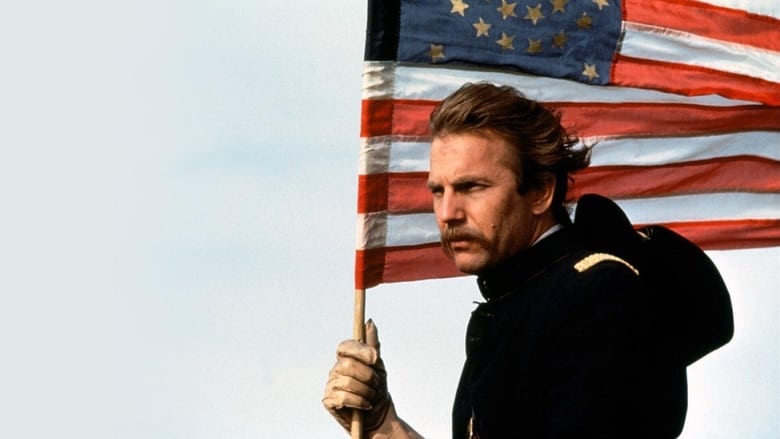
Initially a symbol of Dunbar's identity and mission, the flag's meaning shifts throughout the film. He raises it over the desolate Fort Sedgwick, a lonely assertion of U.S. authority in the vast wilderness. As his allegiance changes, the flag comes to represent the encroaching force that threatens his new life and the Lakota people. Its eventual tattering and replacement by the life of the Sioux camp signifies Dunbar's personal transformation.
Dunbar finds the flag and raises it upon his arrival at the abandoned Fort Sedgwick. It is a recurring visual during his solitary stay. When U.S. troops finally return, they reoccupy the fort under this same banner, but by then, Dunbar's loyalty lies elsewhere, and the flag now represents an enemy force.
Philosophical Questions
Can an individual truly shed their cultural identity and adopt a new one?
The film explores this question through John Dunbar's complete transformation. It poses that identity is not necessarily determined by birth but by experience, values, and community. Dunbar's journey suggests that when one's original culture is perceived as corrupt or soulless, it is possible to find a more authentic self within another. His adoption of the name "Dances With Wolves" and his final declaration in the Lakota language signify a complete rebirth, raising questions about the nature of self and belonging.
What is the true meaning of 'civilization'?
Dances with Wolves directly challenges the 19th-century American definition of civilization. The so-called "civilized" white characters are often depicted as wasteful (slaughtering buffalo for their hides), destructive, and cruel. In contrast, the "savage" Lakota society is shown to be harmonious, deeply familial, and spiritually connected to the natural world. The film asks the audience to reconsider which society is truly more civilized, suggesting that technological advancement does not equate to moral or social superiority.
To what extent can one person's actions influence the course of history?
Dunbar's story is one of significant personal impact. He forms a bridge between two cultures and saves his friends' lives on multiple occasions. However, the film's melancholy ending and epilogue underscore the tragic reality that his individual efforts are ultimately powerless against the overwhelming tide of westward expansion and government policy. The film suggests that while individual acts of understanding and bravery are noble and meaningful, they are often insufficient to alter the course of larger, destructive historical forces.
Core Meaning
The core meaning of Dances with Wolves revolves around the themes of cultural exchange, the search for identity, and a critique of manifest destiny. The film posits that true understanding and humanity can transcend cultural barriers when individuals are open to communication and mutual respect. Director Kevin Costner presents a revisionist take on the Western genre, moving away from the stereotypical portrayal of Native Americans as savages and instead depicting a rich, nuanced society with deep family bonds and a harmonious relationship with nature. The film serves as a poignant commentary on the tragic and inevitable clash between Native American cultures and the relentless westward expansion of the United States, ultimately lamenting the loss of a way of life and the disappearance of the American frontier.