"On land they dreamed of being heroes. Beneath the sea they pray to be survivors."
Das Boot - Symbolism & Philosophy
Symbols & Motifs
The U-Boat (U-96)
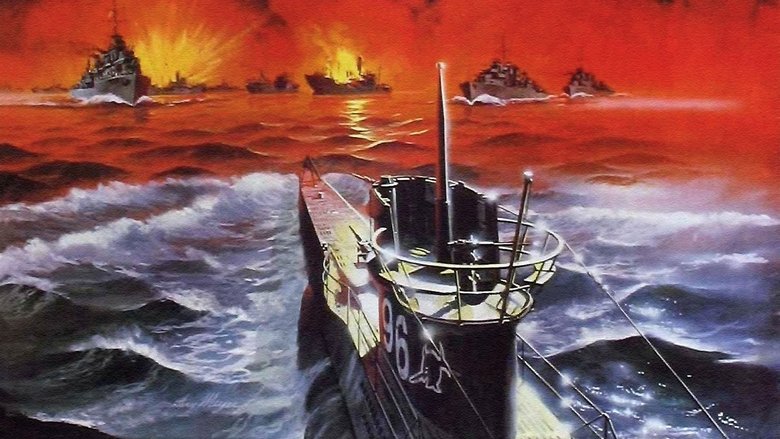
The submarine is the central symbol of the film, representing both a sanctuary and a tomb. It is the machine that enables their deadly work but also their only protection from the crushing pressure of the deep sea and the enemy above. Its groaning, leaking hull under duress becomes a metaphor for the crew's own breaking points and fragile mortality.
Throughout the film, the U-boat is treated almost as a living character. The crew works tirelessly to keep it alive, and in turn, it keeps them alive. The most intense scenes occur when the boat is damaged and resting on the seabed, its survival directly mirroring the crew's struggle against suffocation and despair.
The Ocean
The ocean symbolizes an indifferent, powerful, and hostile force. It is the battlefield, their hiding place, and their potential grave. Its storms reflect the external chaos of war, while its crushing depths represent the internal psychological pressures faced by the crew.
The film frequently shows the vast, unforgiving North Atlantic, emphasizing the crew's isolation. During the long, silent dives to escape destroyers, the ocean's pressure is a constant, terrifying presence, personified by the creaks and groans of the submarine's hull.
The Ending Air Raid
The final air raid symbolizes the ultimate irony and futility of war. After surviving impossible odds at sea—depth charges, a perilous journey through the Strait of Gibraltar, and being trapped on the ocean floor—their return to the perceived safety of the harbor is their undoing. It signifies that in war, there is no true safety or meaningful victory.
In the film's final moments, as the U-96 returns to La Rochelle to a hero's welcome, Allied bombers attack the harbor. The Captain is mortally wounded and watches his beloved submarine sink before he dies. This tragic conclusion hammers home the film's anti-war message that their entire harrowing journey was ultimately for nothing.
Philosophical Questions
Does shared humanity transcend political and national divides in wartime?
The film forces the audience, regardless of nationality, to connect with the German crew. We share their terror during depth charge attacks, their fleeting moments of joy, and their ultimate despair. By stripping away political context and focusing on the universal human desire to survive, the film asks whether the concept of 'enemy' is a political construct that dissolves in the face of shared suffering and mortality. We are left to ponder the tragedy that these men, who we come to know and root for, are tasked with killing other men just like them.
What is the nature of courage in a meaningless conflict?
The crew of U-96 displays immense courage, not for a cause they believe in, but for each other. The Captain's heroism is not ideological; it is the pragmatic courage of a leader keeping his men alive. The Chief Engineer's bravery lies in overcoming his own breakdown to fix a seemingly dead machine. The film suggests that true courage in a futile war is not about dying for a flag, but about the resilience to endure, to maintain one's humanity, and to protect one's comrades in the face of overwhelming horror.
Core Meaning
Director Wolfgang Petersen's primary goal was to create a powerful anti-war statement by depicting the unglamorous, brutal reality of conflict. By focusing on the human experience of the German crew, the film forces the audience to see them not as faceless enemies, but as ordinary individuals trapped in extraordinary, horrific circumstances. The film strips away propaganda and patriotism, revealing the raw fear, camaraderie, and futility of their mission. Its message is that in war, there are no real winners, only survivors grappling with the psychological torment and the sheer waste of human life, a journey Petersen described as one "to the edge of the mind."