The film's pivotal twist occurs when the characters stop fighting and start sharing. As the sun sets on Day and rises on Night, they effectively swap bodies/roles. Day becomes Night, and Night becomes Day. This visual transformation confirms their unity: they are not two separate beings but a continuous cycle of time. The film ends with them listening to the radio tower as they embrace their new states, symbolizing that they have overcome their prejudices and accepted that they are mirrors of one another.
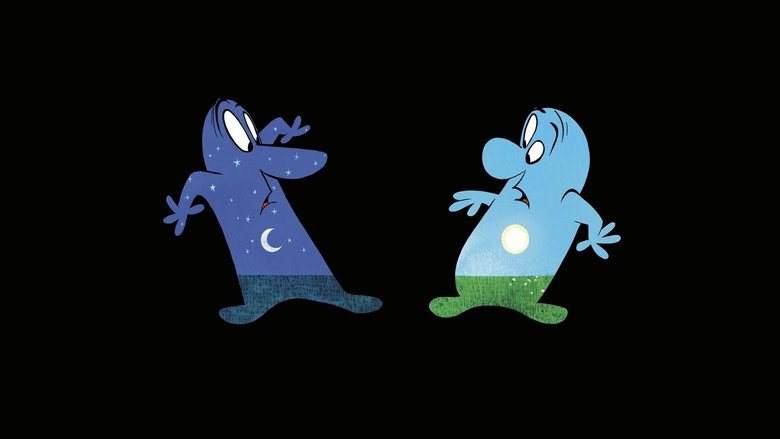
Animation/Philosophical Parable. A visually inventive ballet of duality where fear transforms into wonder. Two silhouetted figures—windows into contrasting worlds—clash before discovering the breathtaking unity of their cyclical existence.
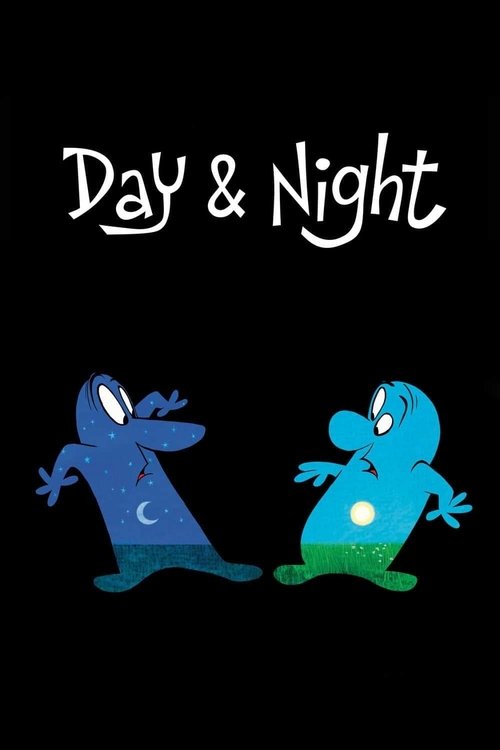
Day & Night
17 June 2010
United States of America
6 min
7.7
(931)
Director: Teddy Newton
Cast: Wayne Dyer
Animation
Family
Comedy
Fear of the Unknown
Perspective and Duality
Connection and Empathy
Day & Night — Ending Explained
⚠️ Spoiler Analysis
Alternative Interpretations
While generally viewed as a lesson on prejudice, some critics interpret the film as a commentary on the Cold War or political polarization, where two superpowers (or ideologies) view each other with suspicion before realizing they share the same world. Another reading suggests a Jungian psychological interpretation, where Day represents the conscious mind (ego) and Night represents the unconscious (shadow), and the film depicts the process of individuation—integrating the shadow self to achieve wholeness.
Explore More About This Movie
Dive deeper into specific aspects of the movie with our detailed analysis pages