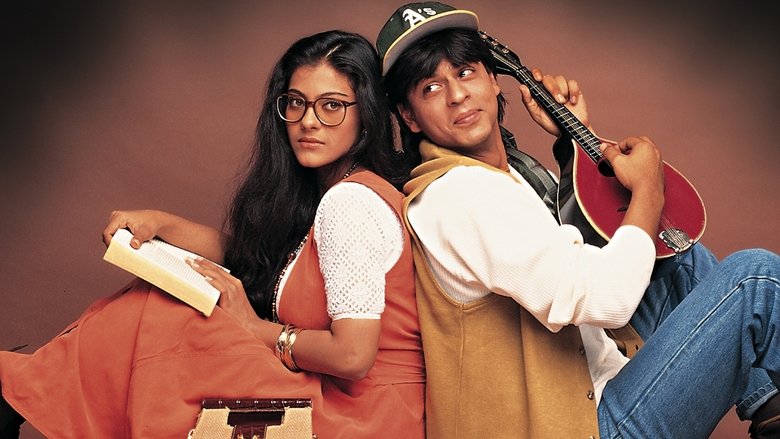
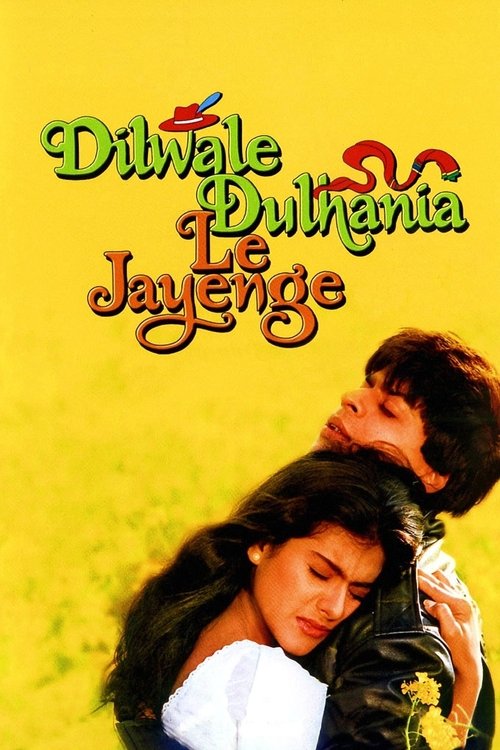
The entire plot of "Dilwale Dulhania Le Jayenge" hinges on a central, self-imposed obstacle: Raj's refusal to elope with Simran. After winning her heart in Europe, he follows her to Punjab where she is engaged to the boorish Kuljeet. Despite Simran and her mother urging him to run away with her, Raj is adamant that he will only marry her with her father's consent. This decision structures the entire second half of the film, turning it from a simple romance into a complex family drama.
Raj masterfully integrates himself into Simran's household, charming every family member except her father, Chaudhary Baldev Singh. He participates in wedding preparations, wins the friendship of Simran's fiancé Kuljeet, and gains the affection of the women in the family. The key turning point comes when Baldev discovers a photo of Raj and Simran together in Europe, confirming his suspicions. Enraged, he throws Raj out and confronts Simran. The climax occurs at the railway station as Raj and his father are leaving. After being beaten by Kuljeet and his friends, Raj refuses to fight back out of respect for Baldev. Seeing Raj's dignity and the profound sadness in his daughter's eyes, Baldev experiences a change of heart. In a moment of ultimate surrender and love, he lets go of Simran's hand and utters the iconic line, "Ja Simran ja, jee le apni zindagi" ("Go Simran go, live your life"). Simran runs towards the moving train, and Raj pulls her aboard. The ending's hidden meaning is that true victory lies not in defying tradition, but in transforming it through love and respect. Raj doesn't just win the bride; he wins over the patriarch, thereby validating their modern love within the traditional system.