
Divines - Symbolism & Philosophy
Symbols & Motifs
The Invisible Ferrari
Symbolizes the power of imagination and the refusal to accept their reality. It represents their shared dream and the tragic gap between their aspirations and their actual circumstances.
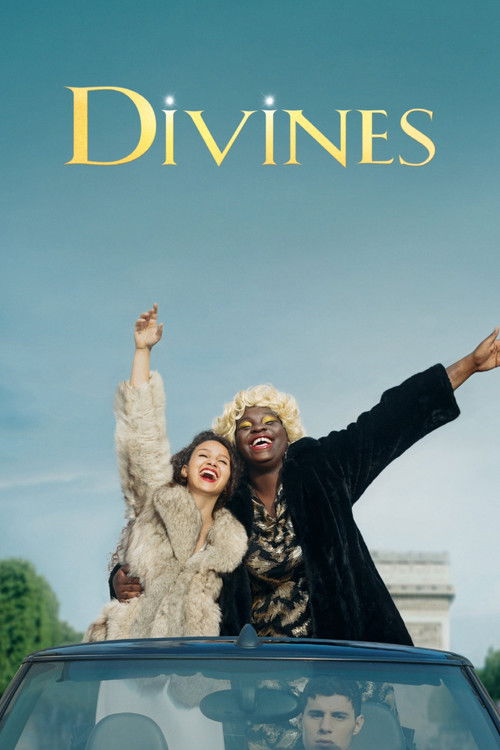
In a joyous scene, Dounia and Maimouna ride a construction cart but pantomime driving a luxury Ferrari through the slums, visualizing a future of wealth and freedom.
The Theater Catwalk
Represents a higher perspective, art, and the divine. It is a space of observation and longing, physically elevated above the "gutter" of their daily lives.
The girls hide in the theater's ceiling vents to watch Djigui dance. It is here that Dounia first connects with beauty and the possibility of a different kind of life.
High Heels
A tool of power and armor rather than just seduction. Rebecca insists Dounia wear them not to be pretty, but to dominate and project status.
Rebecca forces Dounia to wear heels for a job, telling her they are a weapon. Later, they emphasize Dounia's transformation from a street kid to a player in the criminal world.
Fire
Represents both purification and destruction. It is the explosive result of the characters' bottled-up rage and the system's indifference.
Used throughout the film (Dounia burning a car) and centrally in the tragic ending where the pursuit of money literally consumes them.
Philosophical Questions
Can the marginalized truly possess free will?
The film explores whether Dounia's choices are her own or dictated by her circumstances. Does she choose crime because she is "bad," or because her environment offers no other viable path to the dignity she craves?
Is violence a necessary tool for female emancipation?
Rebecca and Dounia adopt violence to gain respect in a patriarchal world. The film questions whether this "masculinization" is true empowerment or just a reproduction of the oppressor's tools.
Core Meaning
Director Houda Benyamina describes Divines not just as a film about the suburbs (banlieues), but as a "humanist" and "political" tragedy about the quest for dignity and recognition in a society driven by consumerism. The film critiques a world where young people feel that "to exist is to have," leading them to adopt the ruthless values of capitalism to survive.
Benyamina juxtaposes the spiritual (represented by dance and the "divine" bond of friendship) with the material (money, drugs, violence). The ultimate message warns that the pursuit of power without spirituality leads to destruction, yet it also celebrates the indomitable, "divine" life force of its heroines who refuse to be invisible.