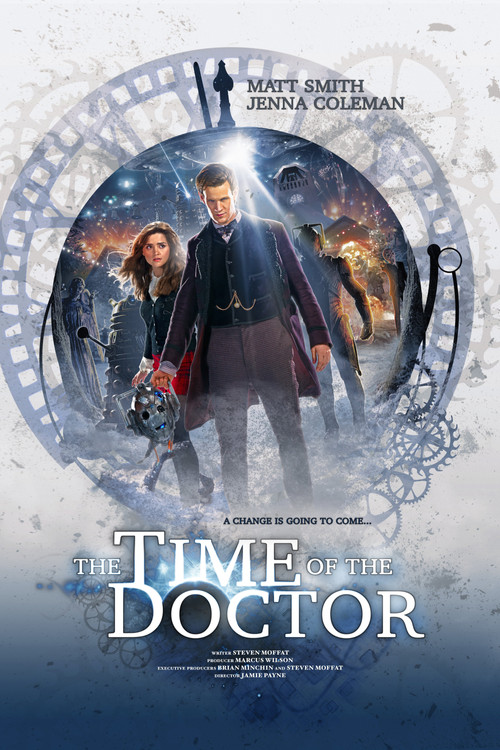
"A change is going to come..."
Doctor Who: The Time of the Doctor - Symbolism & Philosophy
Symbols & Motifs
The Clock Tower
The clock tower on Trenzalore symbolizes the passage of time and the Doctor's impending, final hour. It is the focal point of the town of Christmas and the location of the crack in reality. The clock striking twelve is a direct reference to the Eleventh Doctor's time being over and the arrival of the Twelfth.
The Doctor spends most of his final centuries in and around the clock tower, which visibly ages along with him. It is from the top of this tower that he faces his final battle and where he ultimately regenerates.
The Crack in the Wall
Originally a major plot point from the Eleventh Doctor's first season, the crack reappears as the source of the Time Lords' message. It symbolizes both a dangerous opening to the past (the Time War) and a source of hope and renewal, as it is through this crack that the Time Lords grant the Doctor a new regeneration cycle.
The crack is located in the clock tower on Trenzalore. Clara pleads with the Time Lords through the crack, convincing them to save the Doctor. It ultimately closes after bestowing the new life cycle upon him.
The Bowtie
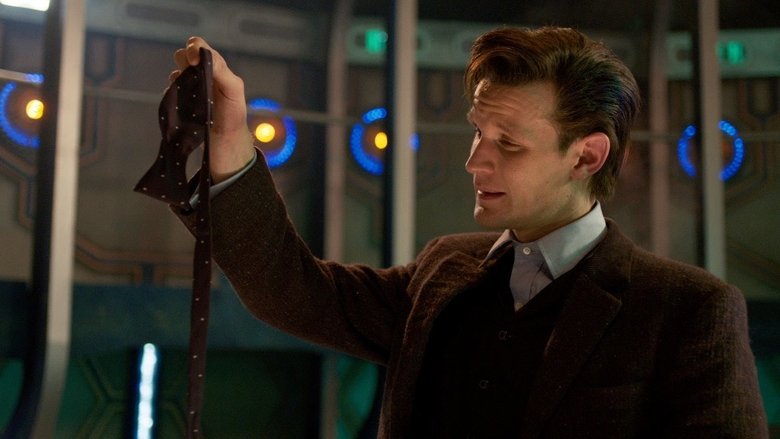
The Eleventh Doctor's signature bowtie represents his quirky, youthful, and eccentric personality. His statement "Bowties are cool" became a defining catchphrase. The final, poignant act of him removing it and letting it drop to the TARDIS floor symbolizes the definitive end of his incarnation.
In his final moments within the TARDIS, just before his explosive regeneration into the Twelfth Doctor, the Doctor removes his bowtie, signifying his acceptance of the change to come.
Handles
Handles, the disembodied Cyberman head, becomes the Doctor's steadfast companion for centuries on Trenzalore. He symbolizes loyalty and the Doctor's deep-seated need for companionship, even in his long isolation. The Doctor's grief at Handles' eventual 'death' from old age underscores the immense amount of time that has passed and the emotional toll of the Doctor's vigil.
Handles accompanies the Doctor in his workshop in the clock tower, helping him analyze information and providing a form of friendship. His demise is a quiet, sad moment that highlights the Doctor's own loneliness and impending end.
Philosophical Questions
What defines a life's worth?
The film explores this by contrasting the Doctor's universe-saving adventures with his final act: spending centuries protecting a single, small town. It suggests that a life's value isn't measured solely by grand, epic deeds but also by quiet, steadfast dedication and the impact one has on a small community. The Doctor's long, slow sacrifice on Trenzalore is presented as equally, if not more, heroic than his more bombastic victories.
Is change a form of death or a form of survival?
Regeneration has always been a core concept of Doctor Who, and this episode tackles it head-on. The Doctor is faced with his final, true death, but is granted a new cycle. His final speech posits that change is not only necessary for survival but is a positive, natural state of being. He argues that we are all different people throughout our lives, and embracing this constant evolution is key to a meaningful existence. The episode frames regeneration not as the death of a character, but as a fundamental and hopeful aspect of his identity.
Core Meaning
"The Time of the Doctor" is fundamentally a meditation on mortality, legacy, and the significance of a single life, even one that spans millennia. The director and writer, Steven Moffat, use the Doctor's final stand to explore the idea that every life is a story that must eventually end, but the impact of that story can resonate through time. The episode's core message is one of acceptance and the beauty of change. It emphasizes that while endings are inevitable and often painful, they also bring renewal and the promise of a new beginning. It also serves as a definitive capstone to the Eleventh Doctor's era, tying up complex narrative arcs and celebrating his unique, childlike yet ancient, personality before his heroic sacrifice and subsequent regeneration.