
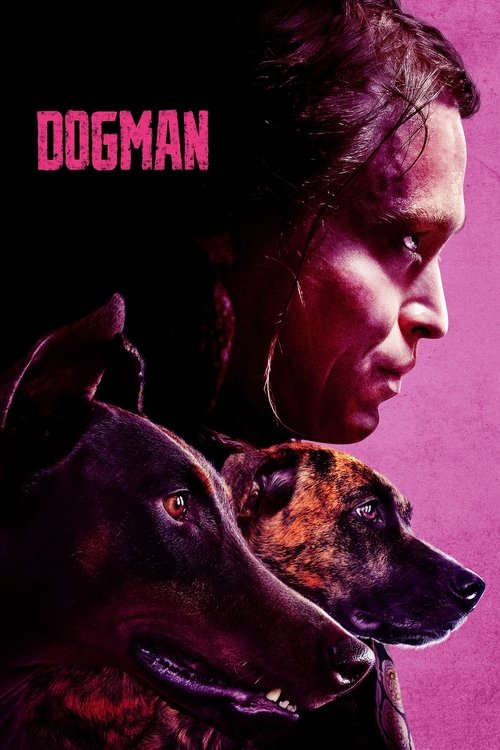
The entire narrative of "Dogman" is framed by Douglas's confession to his psychiatrist, Evelyn, after his arrest. The key twist is not a single event, but the gradual revelation of Douglas's full story: how a boy locked in a cage with dogs became a cross-dressing criminal mastermind with a canine army. We learn that the bullet from his father's gun remains lodged in his spine, and any attempt to stand and walk on his own feet will likely kill him.
His criminal activities escalate from petty theft to a full-blown war with a local gang leader, El Verdugo, who threatens his community. This culminates in a violent siege on Douglas's home, an abandoned school, where his dogs use intricate, 'Home Alone'-style traps to brutally kill the invading gangsters. Though he is victorious, this is the event that leads to his capture. We also learn what happened to his family: his father committed suicide in prison, and his brother Richie was killed by Douglas's dogs upon his release.
The film's ending is both tragic and poetic. After finishing his story, Douglas's dogs stage a jailbreak for him. However, instead of fleeing, Douglas, in a final act of will, stands on his own two feet and walks out into the rain towards a church. This act of standing, which he knows is fatal, is his ultimate acceptance of his fate. He collapses in front of the church, surrounded by his loyal dogs, a final, somber image suggesting he is seeking peace or redemption in his last moments. The film concludes by showing that one of his dogs now watches over Evelyn and her child, implying that Douglas's legacy of protection lives on through his canine family.