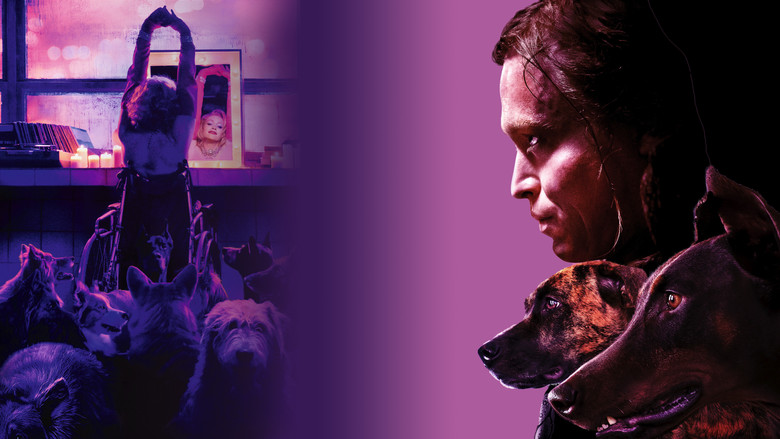
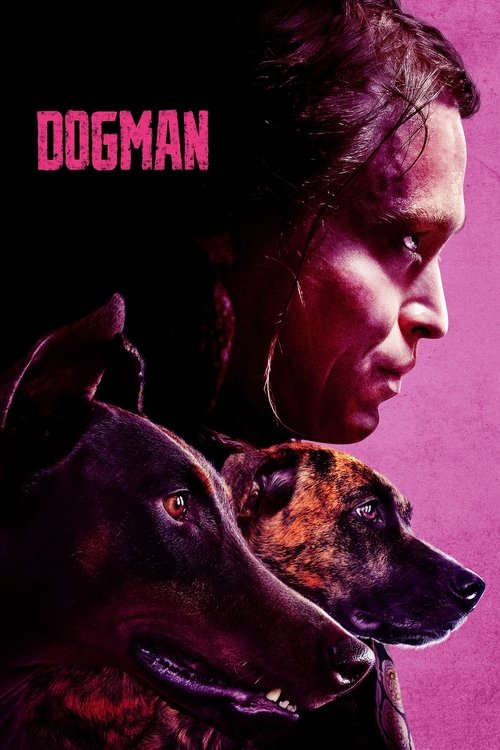
"Wherever there is an unfortunate, God sends a dog."
Director: Luc Besson
Cast: Caleb Landry Jones, Jojo T. Gibbs, Christopher Denham, Clemens Schick, John Charles Aguilar
Dogman — Movie Quotes
Memorable Quotes
Wherever there is an unfortunate, God sends a dog.
Context
This quote appears on screen at the very beginning of the film, setting the thematic tone for the entire story that is about to unfold.
Meaning
This quote establishes the film's central thesis: that dogs are a divine source of comfort and salvation for those who are suffering. It frames Douglas's relationship with his dogs not as a strange obsession, but as a form of spiritual rescue in a world that has abandoned him.
I don't like people much. I like dogs better.
Context
Douglas says this to Evelyn during his interrogation, explaining the foundation of his life and actions. It's a simple but profound statement that justifies his entire existence on the fringes of society with his pack.
Meaning
This line succinctly summarizes Douglas's worldview, forged by years of human cruelty and the contrasting experience of unconditional canine love. It's a blunt and honest expression of his alienation from society and his deep-seated preference for the loyalty and purity he finds in his dogs.
The one thing we both have in common is pain.
Context
Towards the end of his confession, Evelyn asks Douglas why he has shared his entire life story with her. He delivers this line, identifying her as a fellow sufferer, thus creating a bond of shared understanding between them.
Meaning
This quote reveals the deep connection Douglas feels he has made with his psychiatrist, Evelyn. He recognizes her own hidden suffering and, in this moment, transcends the patient-doctor dynamic. It speaks to the universal nature of pain as a human connector and explains why he has chosen to be so open with her.
Explore More About This Movie
Dive deeper into specific aspects of the movie with our detailed analysis pages