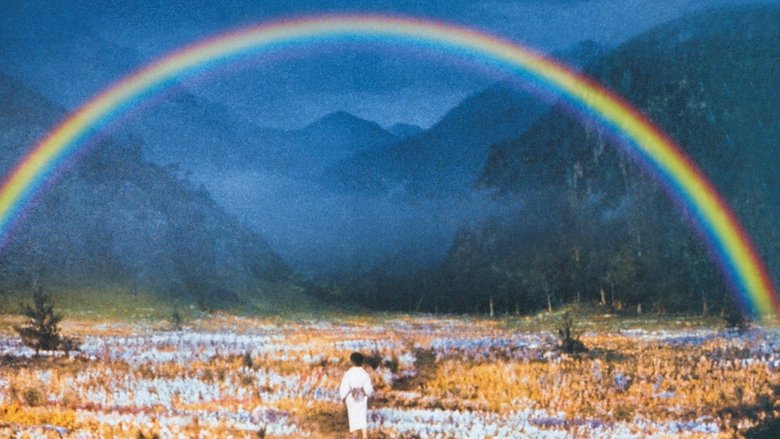
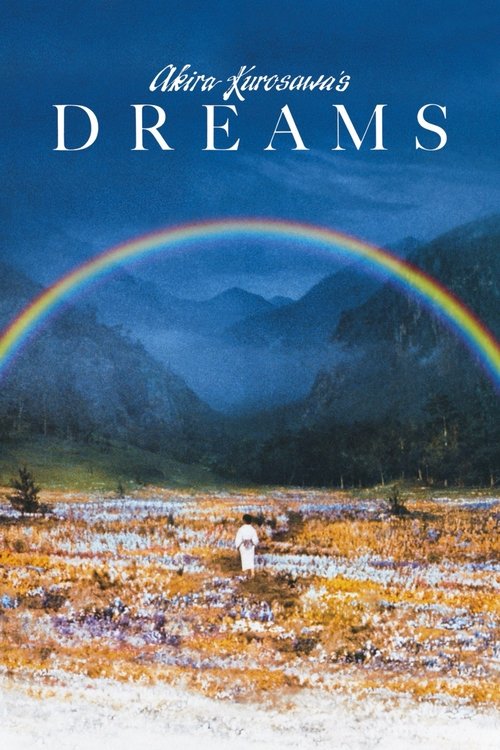
夢
"The past, present, and future. The thoughts and images of one man... for all men. One man's dreams... for every dreamer."
Dreams - Symbolism & Philosophy
Symbols & Motifs
Foxes (Kitsune)
Symbolize the mysterious, forbidden, and dangerous aspect of nature and folklore. They represent the boundary between the human world and the spirit world that must not be crossed lightly.
In Sunshine Through the Rain, the boy disobeys his mother to watch the foxes' wedding procession, leading to a demand for his ritual suicide or apology.
The Tunnel
Represents the passage between life and death, and a subconscious corridor of repressed guilt and trauma.
In the segment of the same name, a soldier walks through a dark tunnel only to be followed by the 'ghosts' of his platoon who do not realize they are dead.
Peach Blossoms / Dolls
Represent lost natural beauty and the destruction of tradition in the name of progress. The dolls are the spirits of the trees that were cut down.
In The Peach Orchard, the spirits appear as living Hina dolls to the boy who cried for the cut trees, performing a dance that briefly restores the orchard's bloom.
Watermills
Symbolize the ideal harmony between human ingenuity and natural forces. They produce energy without destruction, representing a sustainable cycle of life.
In the final vignette, the Old Man explains how the villagers use the watermills for rice polishing, living without electricity or pollution.
Red Mount Fuji
A direct symbol of the apocalypse and the collapse of Japan's national identity through technological failure (nuclear meltdown).
In Mount Fuji in Red, the mountain glows an angry red as nuclear plants explode, sending colored poisonous gas toward the helpless population.
Philosophical Questions
Is scientific progress worth the loss of connection with nature?
Through the contrast between the nuclear hellscape in Mount Fuji in Red and the utopian Village of the Watermills, the film asks if convenience and technology have actually improved the human experience or merely accelerated our destruction.
What is the responsibility of the living to the dead?
In The Tunnel, the film questions whether survivor's guilt is a form of honoring the dead or a trap that prevents the living from moving forward. It explores the heavy burden of leadership and the cost of war.
Can art transcend reality?
Crows suggests that art allows us to see a 'truer' version of reality. Van Gogh's world is more vibrant and alive than the 'real' world the student walks in, positing that creative passion can reshape existence.
Core Meaning
At its heart, Dreams is a plea for humanity to reconnect with nature and acknowledge its own fragility. Kurosawa uses the logic of dreams to expose the destructive consequences of human arrogance, particularly through war and technological hubris (symbolized by nuclear power). The film argues that true wisdom lies not in dominating the natural world, but in living in humble harmony with it.
The progression of the dreams mirrors the stages of life, moving from the terrifying wonder of childhood (fear of the unknown) to the guilt of adulthood (war and regret), and finally to the acceptance of mortality. The concluding segment offers a prescriptive solution: a return to a simpler, cyclical existence where life and death are celebrated as part of the natural order, contrasting sharply with the apocalyptic nightmares that precede it.