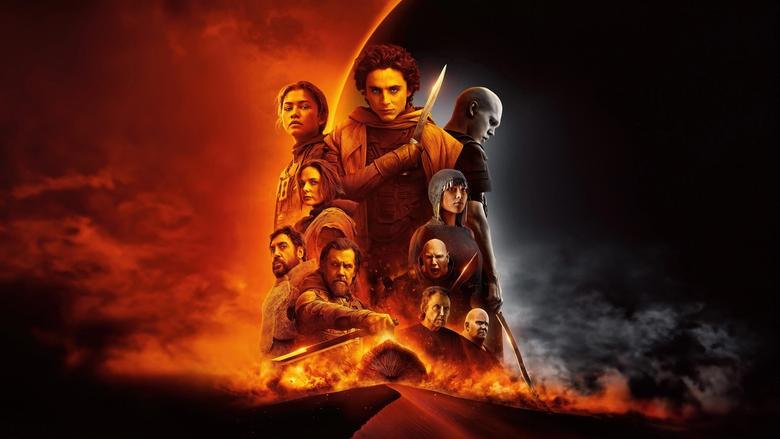
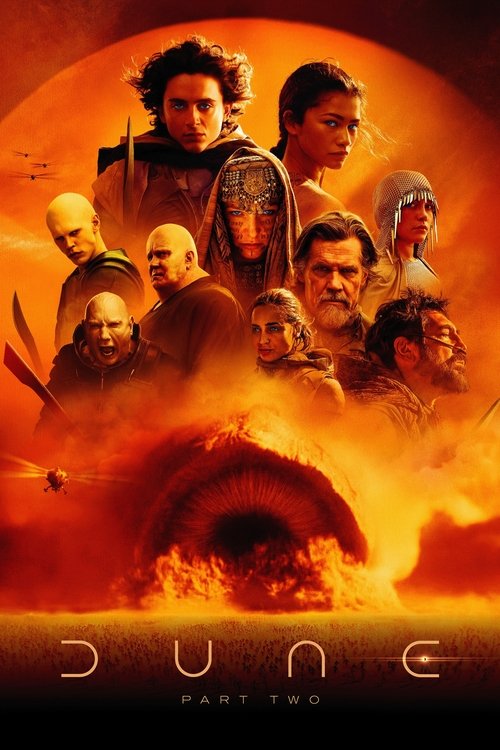
"Dune: Part Two" culminates in Paul Atreides' complete transformation from a reluctant hero to a messianic emperor. The major twist is that Paul, after drinking the Water of Life, not only gains full prescience but also discovers his Harkonnen lineage: he is the grandson of Baron Vladimir Harkonnen, as Lady Jessica is revealed to be the Baron's secret daughter. This revelation shatters his sense of identity and fuels his decision to embrace a more ruthless path, stating, "This is how we will survive. By being Harkonnens."
Fearing the holy war he has foreseen, Paul initially refuses to go south where the Fremen fundamentalists reside. However, a brutal attack by Feyd-Rautha on the northern sietches forces his hand. Upon drinking the Water of Life, he falls into a coma and is saved by Chani's tears mixed with the sacred liquid. He emerges fully empowered, seeing the "narrow path to victory." He leads the Fremen, riding sandworms, in a successful assault on Arrakeen, confronting the Emperor. He kills the Baron himself, whispering "grandfather" as he does. In the climax, he duels Feyd-Rautha and kills him. To solidify his claim to the throne, Paul dismisses Chani and demands to marry Princess Irulan. The Great Houses refuse to recognize his rule, so Paul gives the chilling order to "lead them to paradise," unleashing his Fremen legions on the galaxy and beginning the very holy war he once sought to prevent. Chani, heartbroken and disillusioned, refuses to bow to him and is last seen preparing to ride a sandworm into the desert alone, setting the stage for a tragic future.