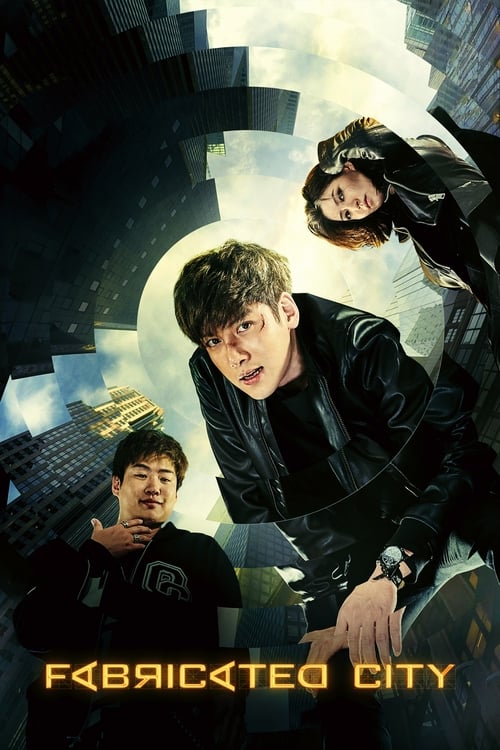
조작된 도시
"Enter virtually. Reset reality."
Fabricated City - Symbolism & Philosophy
Symbols & Motifs
The Rotten Tree Poem
Symbolizes hidden potential and resilience. It represents Kwon Yoo and his team, whom society has written off.
Kwon Yoo recites a poem about a "rotten tree" that is actually alive and reaching for the sky. He recites it at the beginning (in game) and at the end (in reality), marking his transition from a virtual hero to a real one.
The Rice Grain
Represents the fragility of truth and the meticulous nature of the frame-up.
A single grain of rice containing Kwon Yoo's DNA is planted at the crime scene. This microscopic detail destroys his life, highlighting how small, fabricated "facts" can outweigh a larger truth.
The Matiz
Symbolizes the underdog team: small, shabby, and laughed at, but surprisingly capable and resilient.
The team drives a beat-up, old Daewoo Matiz. Despite its appearance, it outmaneuvers luxury police cars and villains during high-speed chases, mirroring the team's own deceptive competence.
Big Data Screen
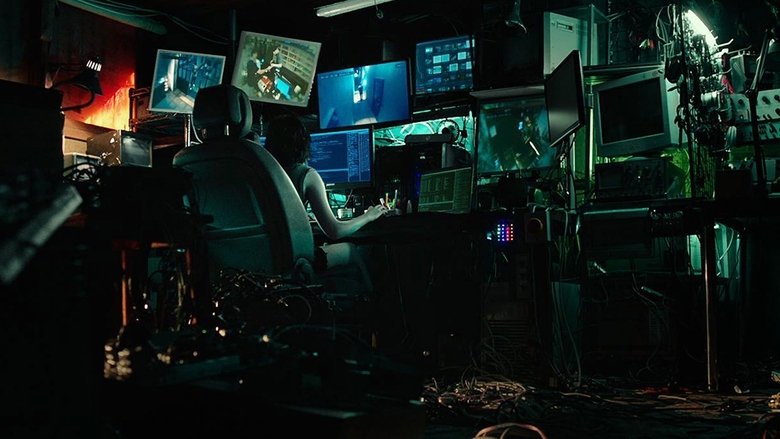
The Panopticon; the god-like view of the manipulator who sees and controls all citizens.
Located in Min Cheon-sang's secret office, the massive touch-screen wall allows him to access any CCTV, phone, or record in Korea, visualizing the terrifying extent of digital surveillance.
Philosophical Questions
Does truth exist if it can be perfectly manufactured?
The film suggests that in a digital age, truth is less about facts and more about who controls the data. It asks viewers to question the "evidence" presented by media and authority, as reality itself becomes editable code.
Is virtual worthlessness equal to real-world worthlessness?
By showing "useless" gamers taking down a powerful syndicate, the film challenges the capitalist metric of human value. It posits that skills and virtues cultivated in the virtual world (loyalty, strategy, coordination) translate to real-world heroism.
Core Meaning
At its heart, Fabricated City explores the weaponization of information and the redemptive power of the "useless." Director Bae Jong (Park Kwang-hyun) critiques a society where truth is a commodity sold to the highest bidder, and the marginalized (unemployed, gamers, social outcasts) are viewed as disposable "rotten trees." The film flips this narrative, asserting that these overlooked individuals possess unique skills and distinct moral clarity that can dismantle the fabricated realities constructed by the powerful.