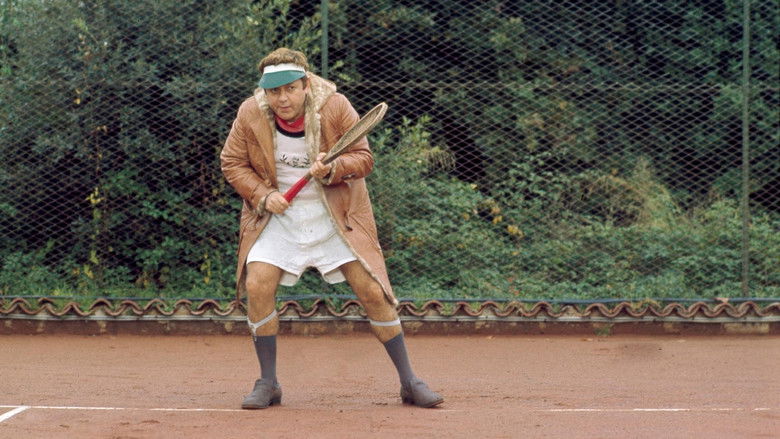
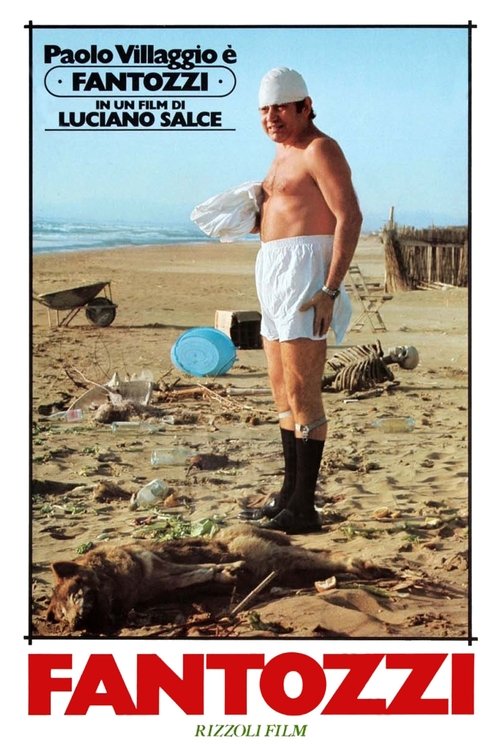
"Fantozzi" is structured as a series of self-contained episodes, each detailing a new humiliation for the protagonist. After being discovered in the company's old toilets where he was accidentally walled in for 18 days, Fantozzi endures numerous calamities. His attempts to date his colleague Signorina Silvani are disastrous: a lunch invitation leads to him being beaten by thugs and his car destroyed; a ski trip to Courmayeur ends with him watching her fall for the smarmy Calboni.
His work life is no better. He is forced by his boss, Conte Catellani, to play a high-stakes game of billiards. After secretly training to become a master, Fantozzi is on the verge of winning but is intimidated into deliberately losing in a spectacular, self-injurious fashion. Another major sequence involves a disastrous New Year's Eve party organized by Filini, where the clock is set forward, causing them to celebrate hours early in a chaotic and depressing scene.
The film's climax provides the clearest narrative turn. After being transferred to work alongside a fervent communist employee, Fantozzi is radicalized. He reads Marx and, in a fit of rebellious rage, throws a rock through a window of the Megaditta. This act of defiance leads him to be summoned before the god-like "Mega-Direttore Galattico." The Director, instead of punishing him, uses patronizing and manipulative rhetoric to placate him, explaining that the corporate hierarchy is a natural, almost divine order. Completely pacified, Fantozzi's revolution dissolves. He asks the Director for his guidance and is "rewarded" by being allowed to live in the office aquarium with his family, symbolically transformed into a company pet. The hidden meaning is the ultimate futility of individual rebellion against an all-powerful system that can absorb and neutralize dissent through condescending ideology rather than force.