Far from the Tree - Symbolism & Philosophy
Symbols & Motifs
The Parent's Scar
The scar over the parent raccoon's eye is a physical manifestation of past trauma. It symbolizes the painful experience that shaped its fearful and overprotective parenting style. It serves as a constant, visible reminder of the dangers of the world, justifying its strictness in its own mind.
The scar is prominent from the beginning. The parent points to it when scolding the young raccoon after its encounter with the coyote, explicitly linking the danger to its past experience. This action visually communicates the source of its fear without words.
The Seashell
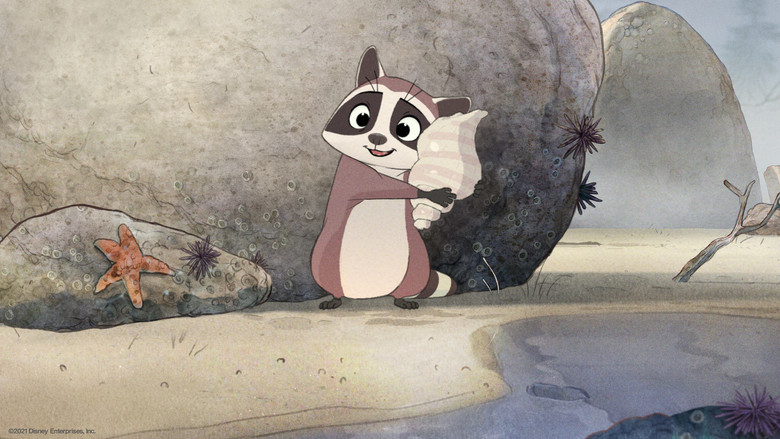
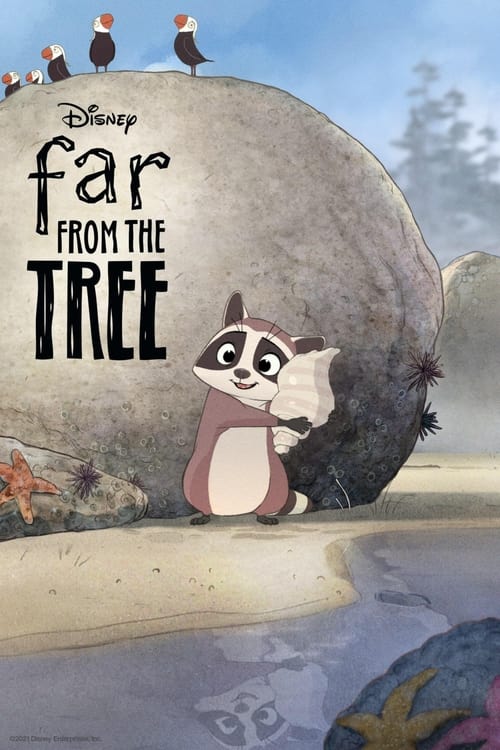
The seashell symbolizes curiosity, wonder, and the beauty of the world that the child wants to explore. For the parent, it initially represents a distraction and a potential danger. The act of destroying it is symbolic of the parent's fear crushing the child's spirit of discovery. When the grown-up raccoon later gives a seashell to its own child, it symbolizes the breaking of the generational cycle and the choice to nurture curiosity rather than fear it.
In the first half of the film, the young raccoon is fascinated by a seashell, but its parent snatches it away and crushes it. In the final scene, the now-adult raccoon finds a seashell and shares the experience with its own child, showing a complete reversal of the earlier behavior.
The Beach
The beach represents the world outside the safety of home—a place of both immense beauty and potential danger. For the child, it is a playground of new experiences. For the parent, it is an environment filled with threats that must be managed. The setting itself embodies the central conflict of the film: the tension between exploring life's wonders and protecting oneself from its perils.
The entire narrative unfolds on the beach, located in the Pacific Northwest. The director, Natalie Nourigat, drew on her childhood memories of Cannon Beach in Oregon to create a setting that felt both beautiful and moody, with its gray sands and wild nature, perfectly encapsulating this duality.
Philosophical Questions
To what extent should a parent's past trauma dictate how they raise their child?
The film directly confronts this question by showing the consequences of fear-based parenting. The parent raccoon's actions are understandable, given its history, but they also emotionally harm its child. The narrative explores the idea that while experience should inform parenting, it should not become a cage for the next generation. The ending suggests that true wisdom lies in using past trauma not as a rigid set of rules, but as a source of empathy to guide a child with a balance of caution and freedom.
Is it possible to protect a child without limiting their experience of the world?
"Far from the Tree" frames this as the central dilemma of parenting. The initial approach of the parent is to limit the child's world entirely to ensure safety, which proves to be stifling. The film's resolution doesn't offer a simple answer but proposes a better way: shared experience. By sharing the seashell with its child, the grown-up raccoon demonstrates a method of engaging with the world's wonders together, teaching safety through guidance rather than through prohibition and fear.
Core Meaning
The central message of "Far from the Tree" revolves around the complexities of parenting, intergenerational trauma, and the conscious effort it takes to change learned behaviors. Director Natalie Nourigat and the creative team wanted to explore the anxieties parents feel about keeping their children safe in a dangerous world. The film illustrates how fear, born from past trauma, can be passed down through generations, manifesting as strictness and control. However, the film's ultimate message is one of hope. It posits that through self-awareness and empathy, a parent can recognize these inherited patterns and choose a different path—one that balances safety with allowing a child to experience the world with an open heart. It’s a story about learning from the past to become a better parent.