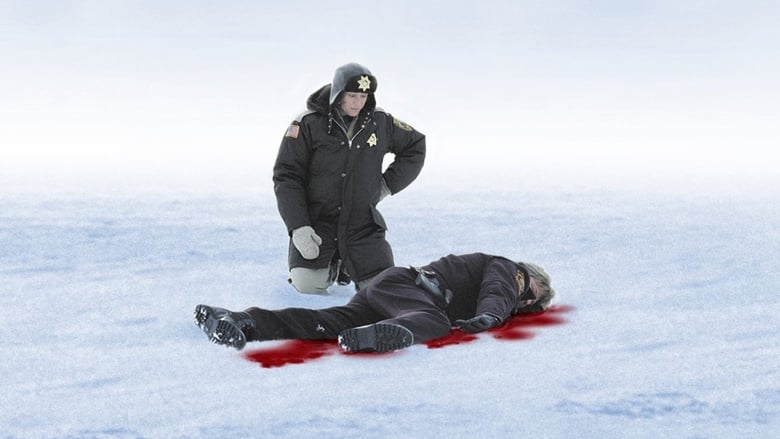
The central twist of Fargo isn't a single event, but the relentless, catastrophic unraveling of what was supposed to be a simple, non-violent crime. Jerry Lundegaard's plan to have his wife kidnapped for an $80,000 ransom goes immediately and horribly wrong. The first major escalation is when the quiet kidnapper, Gaear Grimsrud, impulsively murders a state trooper, and then two passing motorists, turning a kidnapping into a triple homicide.
Jerry's attempts to control the situation are futile. He tries to inflate the ransom demand to his father-in-law, Wade, to $1 million, hoping to skim most of it. Wade, however, insists on delivering the money himself. At the parking garage handoff, the volatile Carl Showalter kills Wade and a garage attendant when the deal goes south. Carl is shot in the jaw but escapes with the briefcase, which contains the full million dollars.
The climax reveals the ultimate futility of their greed. After discovering the larger sum, Carl takes his planned $80,000 share and buries the remaining $920,000 in the snow alongside an empty highway, marking it with an ice scraper. When he returns to the cabin hideout, he finds that Gaear has murdered Jerry's wife, Jean, simply because she was making too much noise. An argument between the two criminals over who gets to keep the getaway car escalates until Gaear murders Carl with an axe.
Marge Gunderson, having pieced together the clues, arrives at the cabin to find the film's most iconic and shocking image: Gaear feeding Carl's dismembered body into a wood chipper. She arrests him without much struggle. Jerry is later apprehended by police in a motel outside of town, whimpering pathetically. The buried money is never recovered by any of the film's characters, rendering all the bloodshed completely pointless—a hidden meaning that underscores the film's theme about the senselessness of greed.